Halib Nadia, Perrone Francesca, Cemazar Maja, Dapas Barbara, Farra Rossella, Abrami Michela, Chiarappa Gianluca, Forte Giancarlo, Zanconati Fabrizio, Pozzato Gabriele, Murena Luigi, Fiotti Nicola, Lapasin Romano, Cansolino Laura, Grassi Gabriele, Grassi Mario
Department of Basic Sciences & Oral Biology, Faculty of Dentistry, Universiti Sains Islam Malaysia, Level 15, Tower B, Persiaran MPAJ, Jalan Pandan Utama, Kuala Lumpur 55100, Malaysia;.
Department of Life Sciences, Cattinara University Hospital, Trieste University, Strada di Fiume 447, I-34149 Trieste, Italy.
Materials (Basel). 2017 Aug 21;10(8):977. doi: 10.3390/ma10080977.
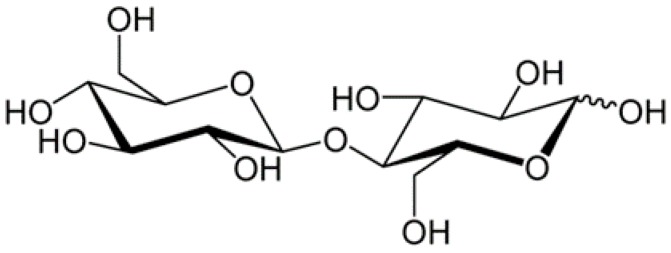
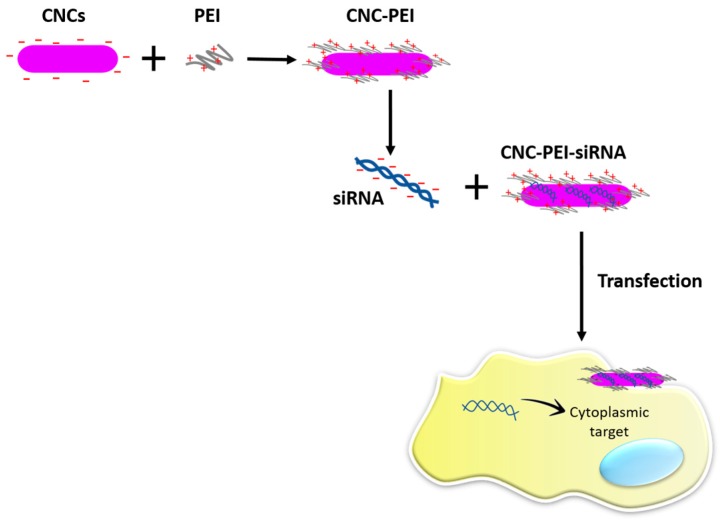
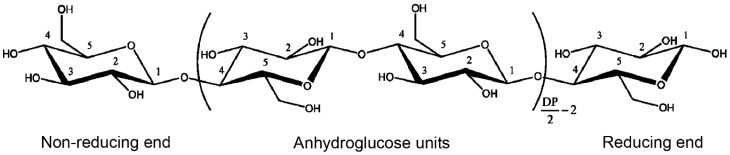
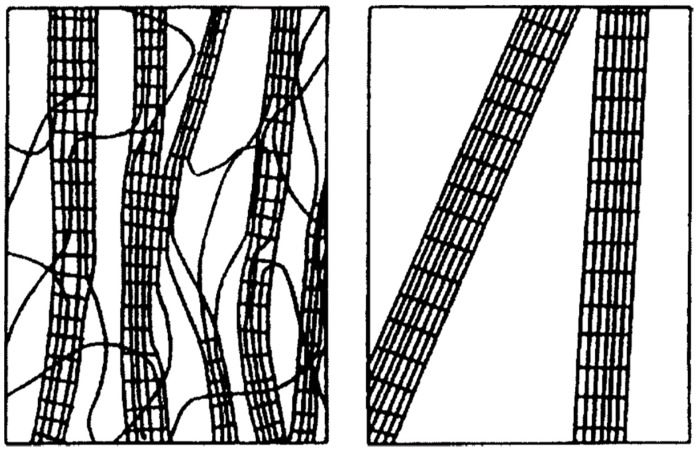
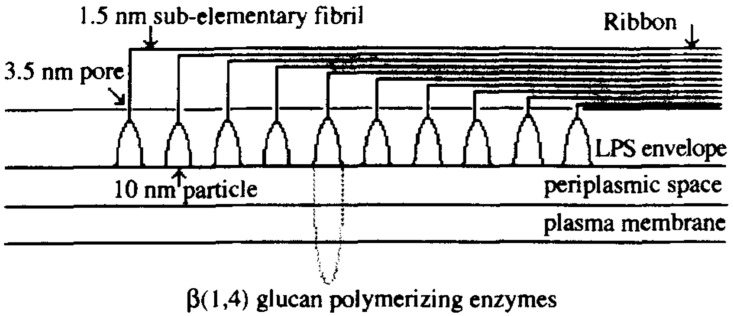
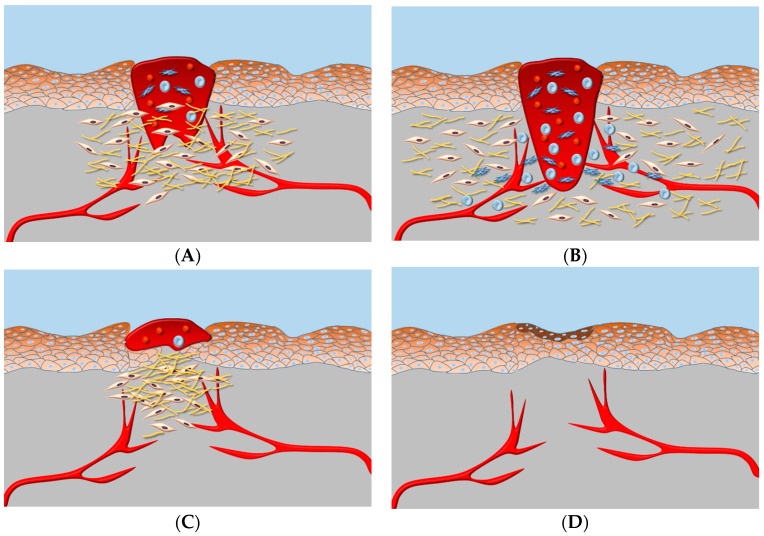
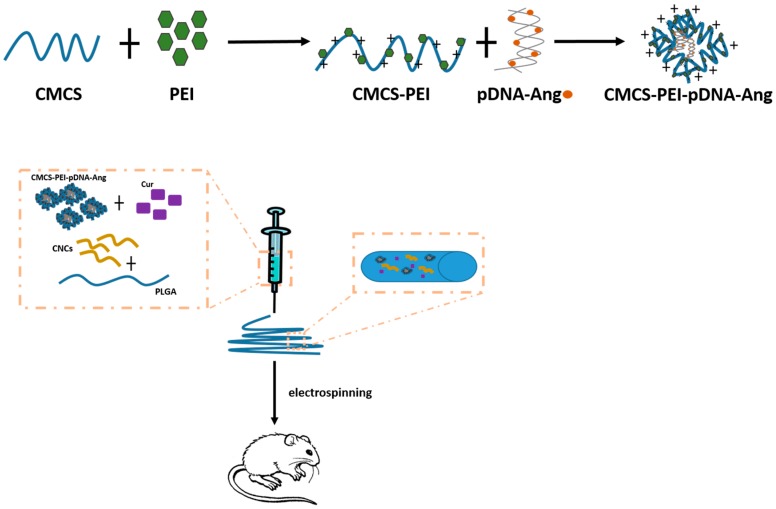
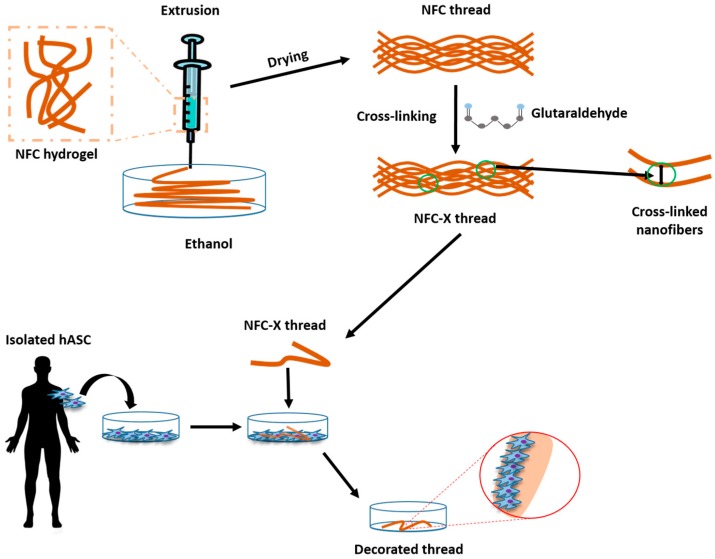
Because of its high biocompatibility, bio-degradability, low-cost and easy availability, cellulose finds application in disparate areas of research. Here we focus our attention on the most recent and attractive potential applications of cellulose in the biomedical field. We first describe the chemical/structural composition of cellulose fibers, the cellulose sources/features and cellulose chemical modifications employed to improve its properties. We then move to the description of cellulose potential applications in biomedicine. In this field, cellulose is most considered in recent research in the form of nano-sized particle, i.e., nanofiber cellulose (NFC) or cellulose nanocrystal (CNC). NFC is obtained from cellulose via chemical and mechanical methods. CNC can be obtained from macroscopic or microscopic forms of cellulose following strong acid hydrolysis. NFC and CNC are used for several reasons including the mechanical properties, the extended surface area and the low toxicity. Here we present some potential applications of nano-sized cellulose in the fields of wound healing, bone-cartilage regeneration, dental application and different human diseases including cancer. To witness the close proximity of nano-sized cellulose to the practical biomedical use, examples of recent clinical trials are also reported. Altogether, the described examples strongly support the enormous application potential of nano-sized cellulose in the biomedical field.
由于其具有高生物相容性、生物可降解性、低成本且易于获取,纤维素在不同的研究领域都有应用。在此,我们将注意力集中在纤维素在生物医学领域最新且具有吸引力的潜在应用上。我们首先描述纤维素纤维的化学/结构组成、纤维素来源/特性以及为改善其性能所采用的纤维素化学改性方法。然后我们转向描述纤维素在生物医学中的潜在应用。在该领域,纤维素在近期研究中大多以纳米尺寸颗粒的形式被考虑,即纳米纤维纤维素(NFC)或纤维素纳米晶体(CNC)。NFC是通过化学和机械方法从纤维素中获得的。CNC可在强酸水解后从宏观或微观形式的纤维素中获得。NFC和CNC因其机械性能、扩展的表面积和低毒性等多种原因而被使用。在此,我们介绍纳米尺寸纤维素在伤口愈合、骨软骨再生、牙科应用以及包括癌症在内的不同人类疾病领域的一些潜在应用。为了见证纳米尺寸纤维素与实际生物医学应用的紧密联系,还报道了近期临床试验的实例。总之,所描述的实例有力地支持了纳米尺寸纤维素在生物医学领域的巨大应用潜力。