Campos Jaqueline F, Espindola Priscilla P de Toledo, Torquato Heron F V, Vital Wagner D, Justo Giselle Z, Silva Denise B, Carollo Carlos A, de Picoli Souza Kely, Paredes-Gamero Edgar J, Dos Santos Edson L
Research Group on Biotechnology and Bioprospecting Applied to Metabolism, Federal University of Grande DouradosDourados, Brazil.
Department of Biochemistry, Federal University of São PauloSão Paulo, Brazil.
Front Pharmacol. 2017 Aug 14;8:466. doi: 10.3389/fphar.2017.00466. eCollection 2017.
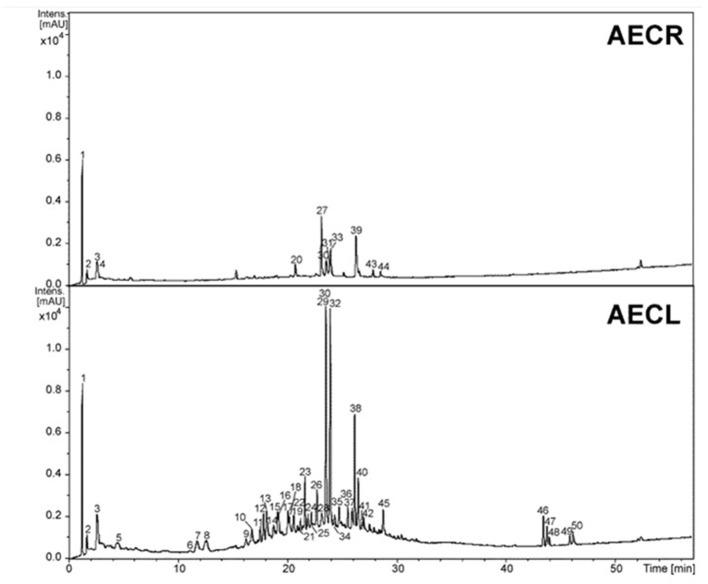
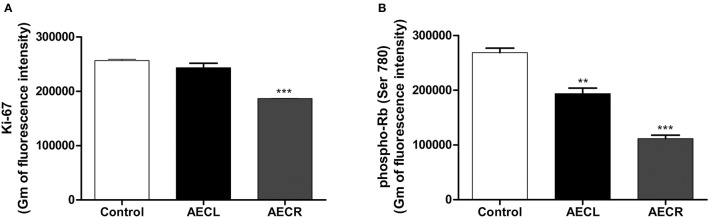
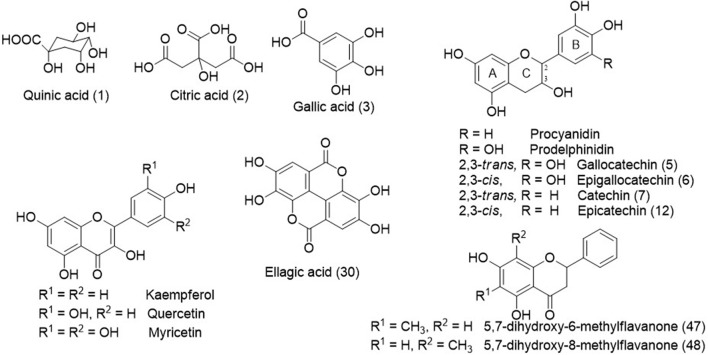
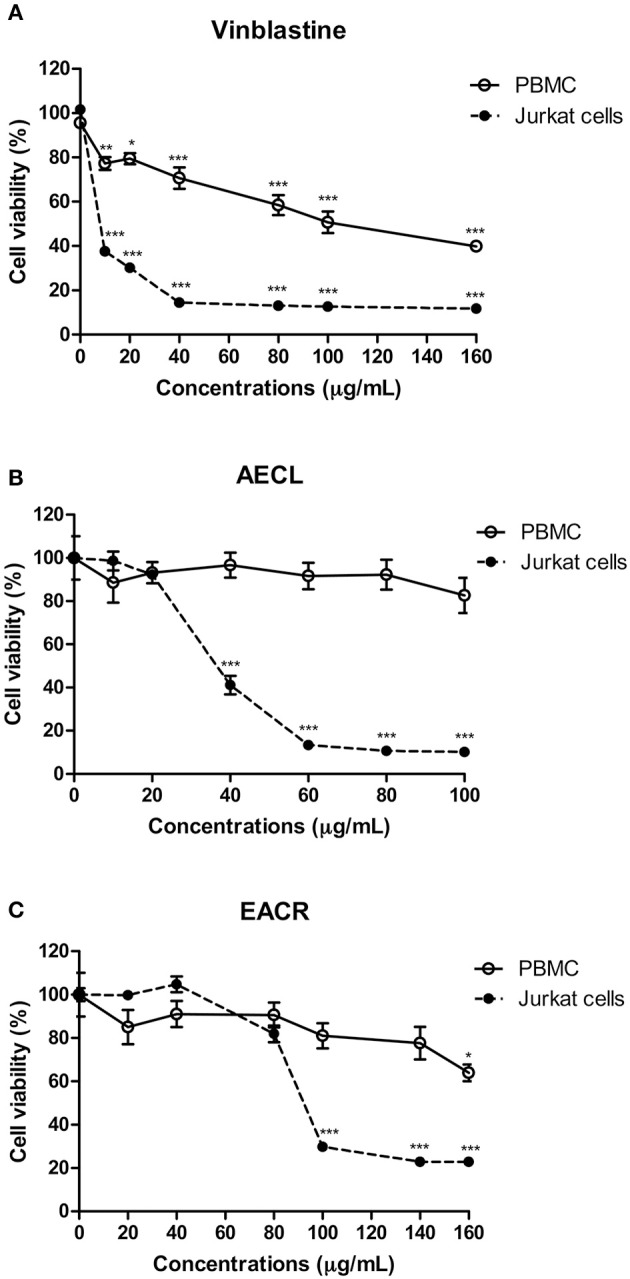
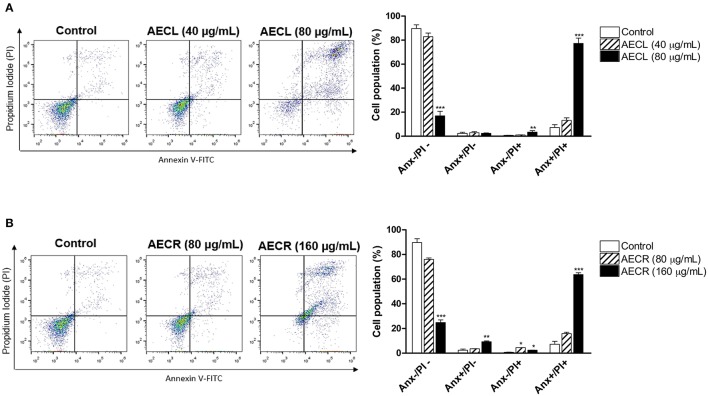
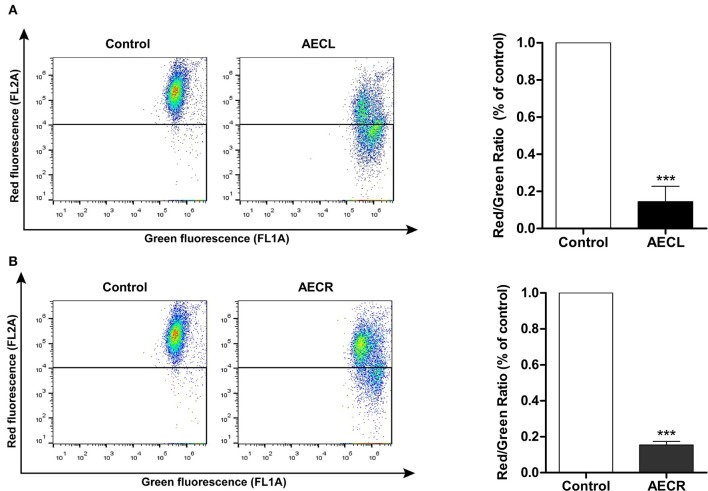
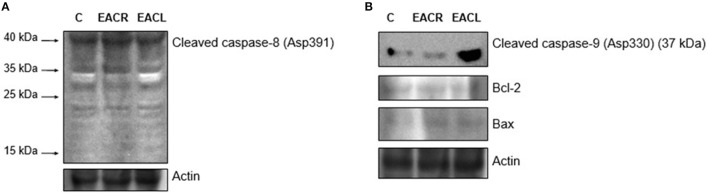
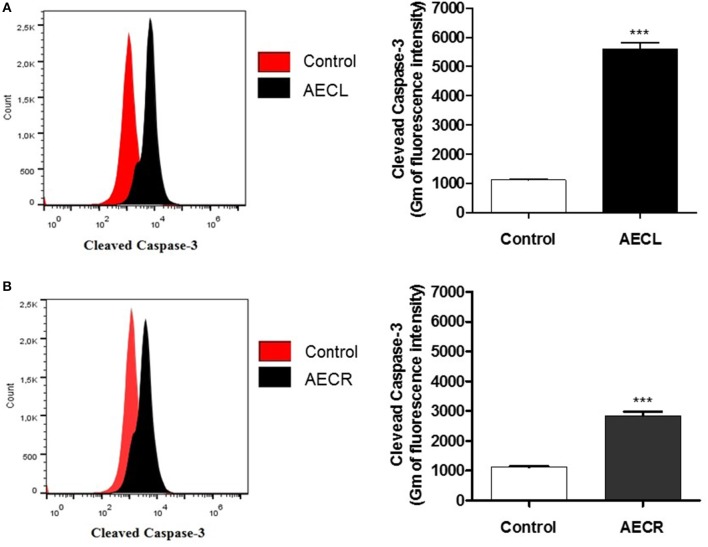
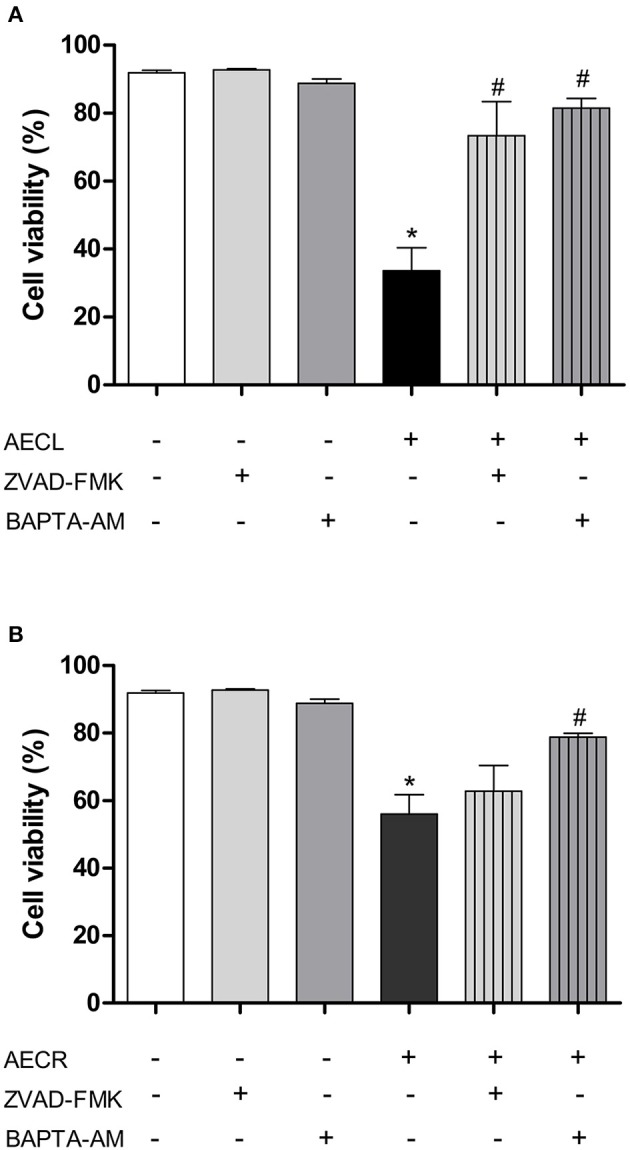
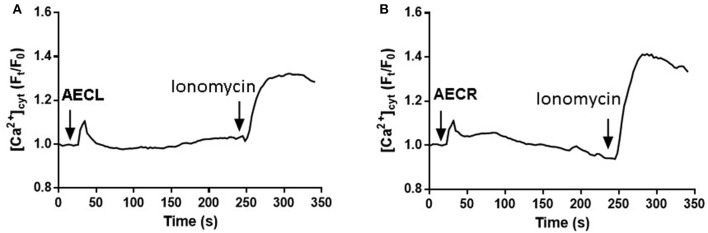
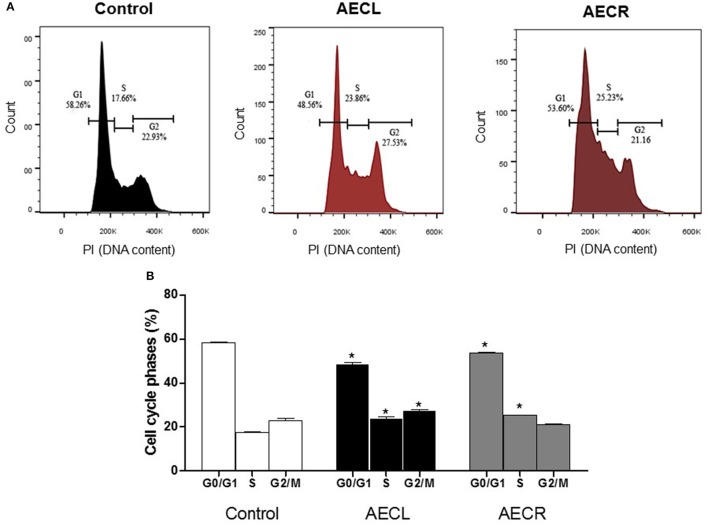
Phytochemical studies are seeking new alternatives to prevent or treat cancer, including different types of leukemias. , commonly known as guavira or guabiroba, exhibits pharmacological properties including antioxidant, antimicrobial, and antiproliferative activities. Considering the anticancer potential of this plant species, the aim of this study was to evaluate the antileukemic activity and the chemical composition of aqueous extracts from the leaves (AECL) and roots (AECR) of and their possible mechanisms of action. The extracts were analyzed by LC-DAD-MS, and their constituents were identified based on the UV, MS, and MS/MS data. The AECL and AECR showed different chemical compositions, which were identified as main compounds glycosylated flavonols from AECL and ellagic acid and their derivatives from AECR. The cytotoxicity promoted by these extracts were evaluated using human peripheral blood mononuclear cells and Jurkat leukemic cell line. The cell death profile was evaluated using annexin-V-FITC and propidium iodide labeling. Changes in the mitochondrial membrane potential, the activity of caspases, and intracellular calcium levels were assessed. The cell cycle profile was evaluated using propidium iodide. Both extracts caused concentration-dependent cytotoxicity only in Jurkat cells via late apoptosis. This activity was associated with loss of the mitochondrial membrane potential, activation of caspases-9 and -3, changes in intracellular calcium levels, and cell cycle arrest in S-phase. Therefore, the antileukemic activity of the AECL and AECR is mediated by mitochondrial dysfunction and intracellular messengers, which activate the intrinsic apoptotic pathway. Hence, aqueous extracts of the leaves and roots of show therapeutic potential for use in the prevention and treatment of diseases associated the proliferation of tumor cell.
植物化学研究正在寻找预防或治疗癌症的新方法,包括不同类型的白血病。(植物名称未给出,原文此处缺失),俗称瓜维拉或瓜比罗巴,具有抗氧化、抗菌和抗增殖等药理活性。鉴于该植物物种的抗癌潜力,本研究旨在评估(植物名称未给出,原文此处缺失)叶片水提取物(AECL)和根水提取物(AECR)的抗白血病活性、化学成分及其可能的作用机制。通过LC-DAD-MS对提取物进行分析,并根据紫外、质谱和串联质谱数据鉴定其成分。AECL和AECR显示出不同的化学成分,AECL的主要化合物为糖基化黄酮醇,AECR的主要化合物为鞣花酸及其衍生物。使用人外周血单核细胞和Jurkat白血病细胞系评估这些提取物的细胞毒性。使用膜联蛋白-V-FITC和碘化丙啶标记评估细胞死亡情况。评估线粒体膜电位、半胱天冬酶活性和细胞内钙水平的变化。使用碘化丙啶评估细胞周期情况。两种提取物仅通过晚期凋亡对Jurkat细胞产生浓度依赖性细胞毒性。这种活性与线粒体膜电位丧失、半胱天冬酶-9和-3激活、细胞内钙水平变化以及S期细胞周期停滞有关。因此,AECL和AECR的抗白血病活性是由线粒体功能障碍和细胞内信使介导的,这些信使激活了内源性凋亡途径。因此,(植物名称未给出,原文此处缺失)叶片和根的水提取物在预防和治疗与肿瘤细胞增殖相关疾病方面具有治疗潜力。