State Key Laboratory of Precision Measurement Technology and Instruments, Department of Precision Instrument, Tsinghua University, Beijing 100084, China.
Sensors (Basel). 2017 Oct 12;17(10):2315. doi: 10.3390/s17102315.
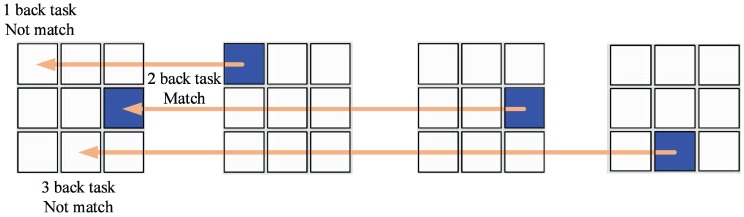
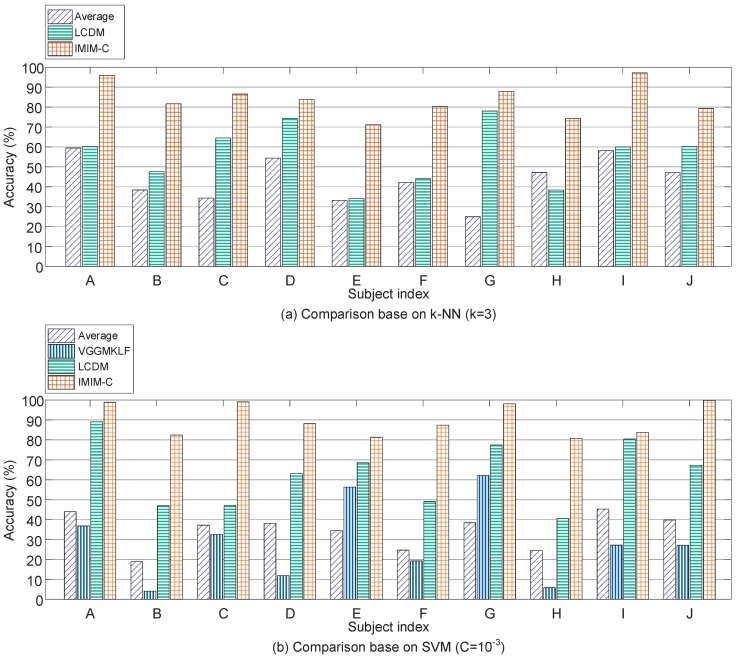
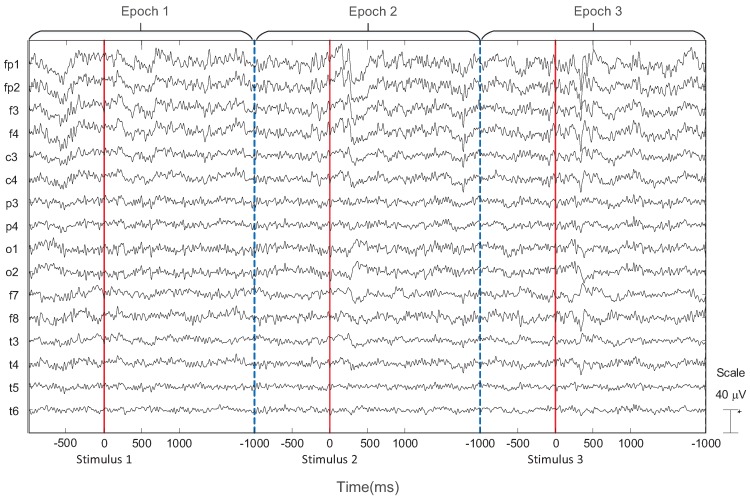
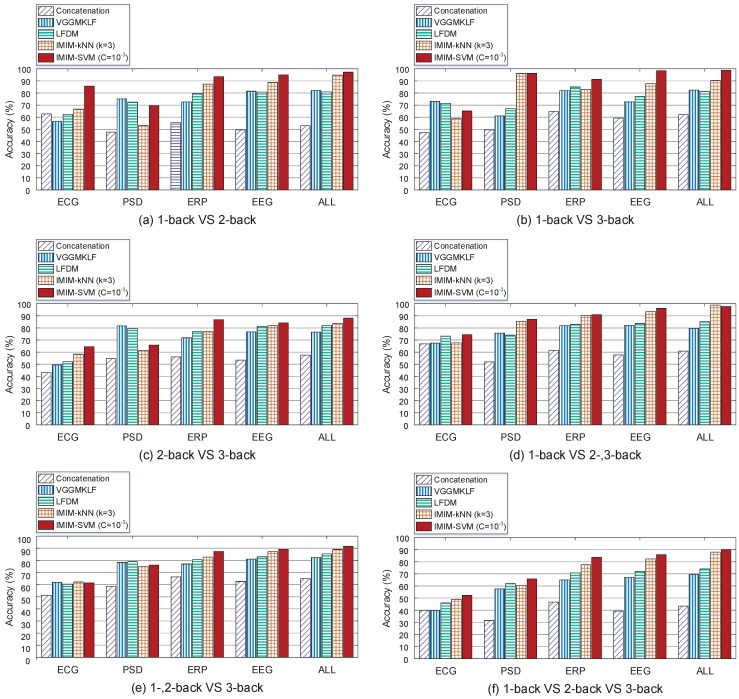
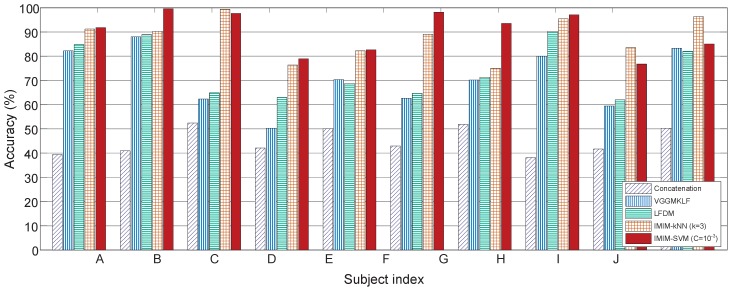
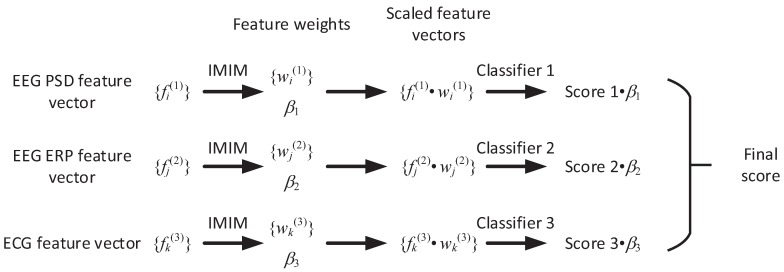
Many people suffer from high mental workload which may threaten human health and cause serious accidents. Mental workload estimation is especially important for particular people such as pilots, soldiers, crew and surgeons to guarantee the safety and security. Different physiological signals have been used to estimate mental workload based on the n-back task which is capable of inducing different mental workload levels. This paper explores a feature weight driven signal fusion method and proposes interactive mutual information modeling (IMIM) to increase the mental workload classification accuracy. We used EEG and ECG signals to validate the effectiveness of the proposed method for heterogeneous bio-signal fusion. The experiment of mental workload estimation consisted of signal recording, artifact removal, feature extraction, feature weight calculation, and classification. Ten subjects were invited to take part in easy, medium and hard tasks for the collection of EEG and ECG signals in different mental workload levels. Therefore, heterogeneous physiological signals of different mental workload states were available for classification. Experiments reveal that ECG can be utilized as a supplement of EEG to optimize the fusion model and improve mental workload estimation. Classification results show that the proposed bio-signal fusion method IMIM can increase the classification accuracy in both feature level and classifier level fusion. This study indicates that multi-modal signal fusion is promising to identify the mental workload levels and the fusion strategy has potential application of mental workload estimation in cognitive activities during daily life.
许多人遭受高心理工作量的困扰,这可能威胁到人类健康并导致严重事故。心理工作量估计对于特定人群(如飞行员、士兵、船员和外科医生)尤为重要,以保证安全。基于 n-back 任务的不同生理信号已被用于估计心理工作量,该任务能够诱发不同的心理工作量水平。本文探讨了一种基于特征权重的信号融合方法,并提出了交互互信息建模(IMIM)来提高心理工作量分类准确性。我们使用 EEG 和 ECG 信号来验证该方法对异构生物信号融合的有效性。心理工作量估计实验包括信号记录、去除伪迹、特征提取、特征权重计算和分类。邀请了 10 名受试者参与简单、中等和困难任务,以在不同心理工作量水平下收集 EEG 和 ECG 信号。因此,不同心理工作量状态的异构生理信号可用于分类。实验表明,ECG 可以作为 EEG 的补充,以优化融合模型并提高心理工作量估计。分类结果表明,所提出的生物信号融合方法 IMIM 可以提高特征级和分类器级融合的分类准确性。本研究表明,多模态信号融合有望识别心理工作量水平,融合策略具有在日常生活中的认知活动中进行心理工作量估计的潜在应用。