World Health Organization - Regional Office for South-East Asia, New Delhi, India.
National Polio Surveillance Project, World Health Organization, New Delhi, India.
Indian J Pediatr. 2018 Feb;85(2):124-131. doi: 10.1007/s12098-017-2586-8. Epub 2018 Jan 5.
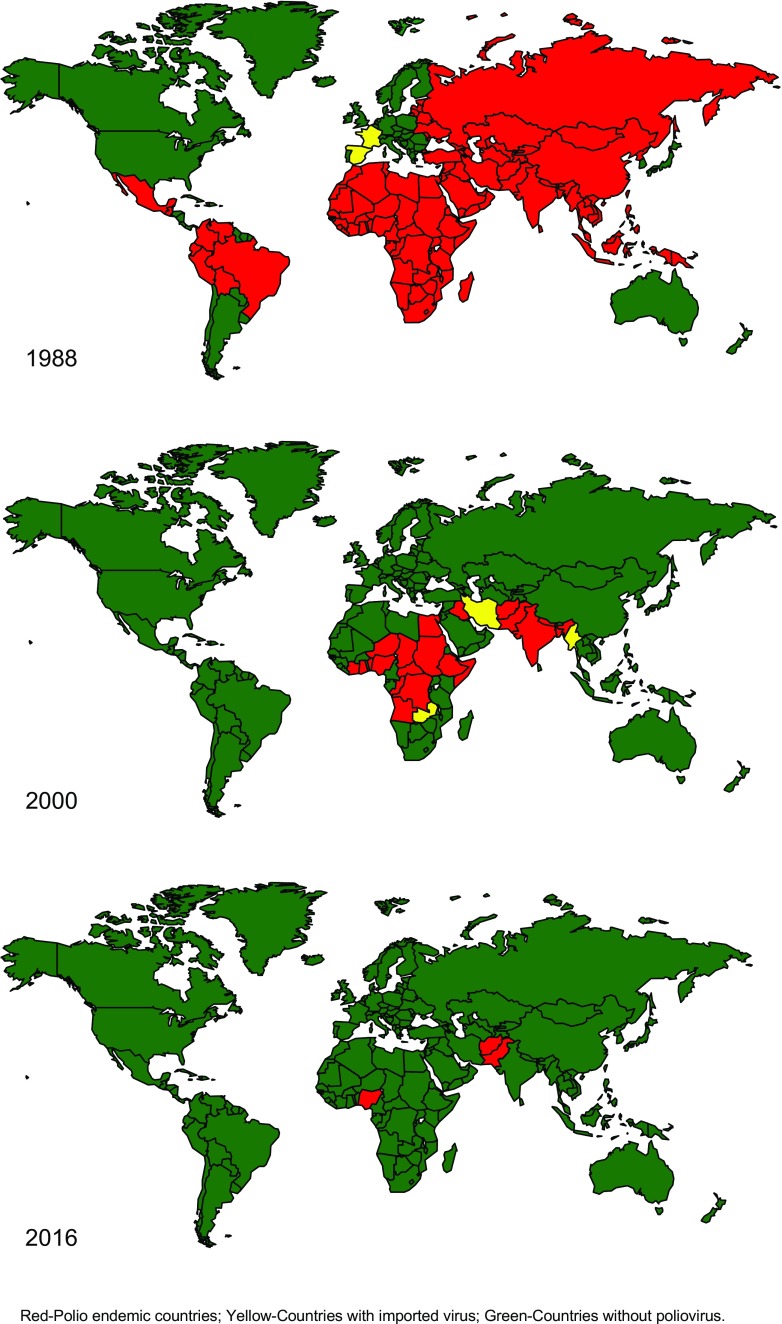
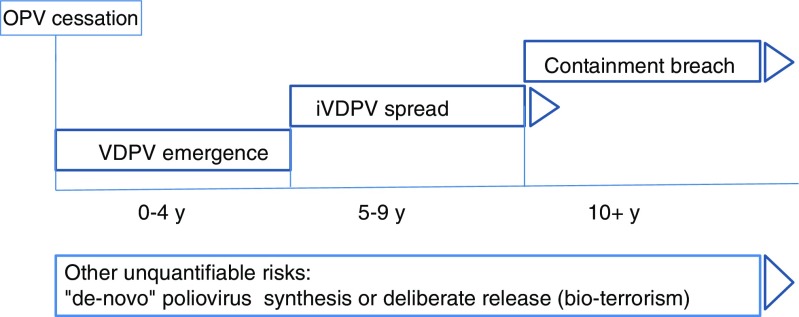
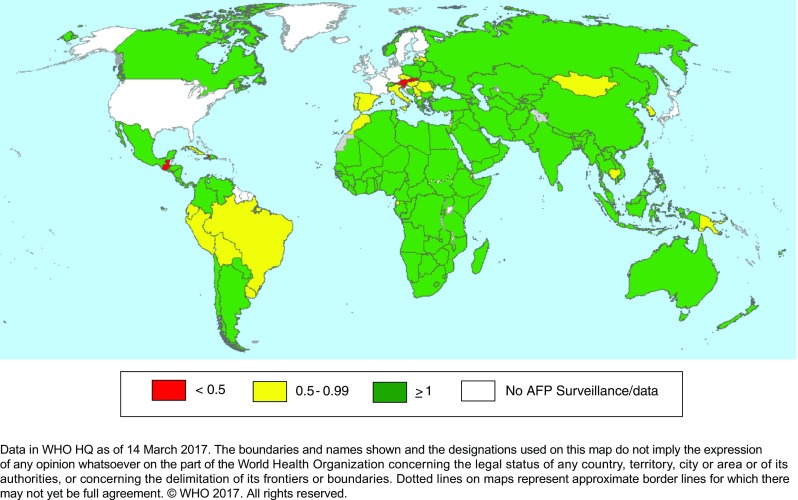
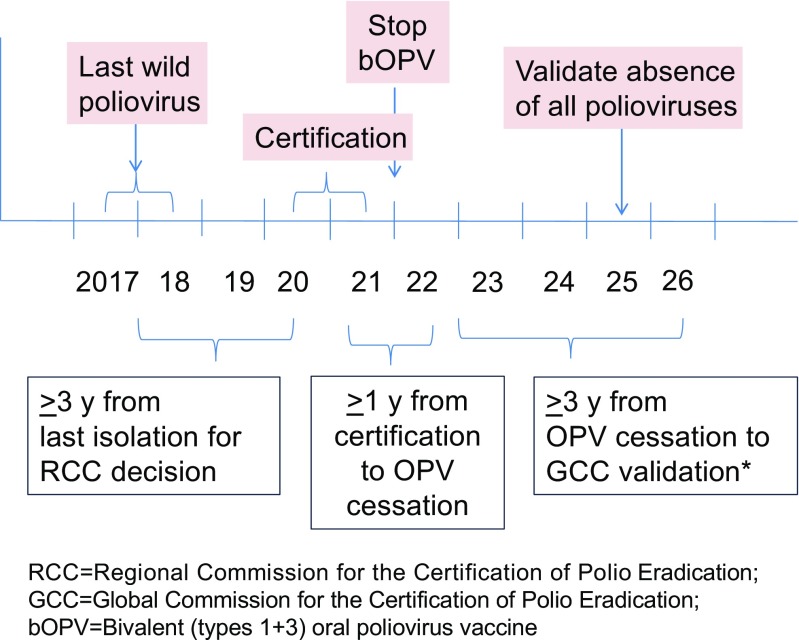
In 1988, the World Health Assembly resolved to eradicate poliomyelitis by the year 2000. Although substantial progress was achieved by 2000, global polio eradication proved elusive. In India, the goal was accomplished in 2011, and the entire South-East Asia Region was certified as polio-free in 2014. The year 2016 marks the lowest wild poliovirus type 1 case count ever, the lowest number of polio-endemic countries (Afghanistan, Nigeria and Pakistan), the maintenance of wild poliovirus type 2 eradication, and the continued absence of wild poliovirus type 3 detection since 2012. The year also marks the Global Polio Eradication Initiative (GPEI) moving into the post-cessation of Sabin type 2, after the effort of globally synchronized withdrawal of Sabin type 2 poliovirus in April 2016. Sustained efforts will be needed to ensure polio eradication is accomplished, to overcome the access and security issues, and continue to improve the quality and reach of field operations. After that, surveillance (the "eyes and ears") will move further to the center stage. Sensitive surveillance will monitor the withdrawal of all Sabin polioviruses, and with facility containment, constitute the cornerstones for eventual global certification of wild poliovirus eradication. An emergency response capacity is essential to institute timely control measures should polio still re-emerge. Simultaneously, the public health community needs to determine whether and how to apply the polio-funded infrastructure to other priorities (after the GPEI funding has stopped). Eradication is the primary goal, but securing eradication will require continued efforts, dedicated resources, and a firm commitment by the global public health community.
1988 年,世界卫生大会决议到 2000 年消灭脊髓灰质炎。尽管到 2000 年已取得实质性进展,但全球消灭脊髓灰质炎的目标仍难以实现。印度于 2011 年实现这一目标,整个东南亚区域也于 2014 年被确认为无脊髓灰质炎地区。2016 年创下了野生 1 型脊灰病毒病例数最低、脊灰流行国家(阿富汗、尼日利亚和巴基斯坦)最少、野生 2 型脊灰病毒持续消灭以及自 2012 年以来持续未检出野生 3 型脊灰病毒的纪录。全球消灭脊灰行动也标志着在 2016 年 4 月全球同步停止使用萨宾 2 型脊灰疫苗后,进入停用萨宾 2 型脊灰疫苗的阶段。需要继续作出努力,确保消灭脊灰工作取得成功,克服获得疫苗和安全方面的挑战,并继续提高实地工作的质量和覆盖面。在此之后,监测(“耳目”)将进一步成为中心工作。敏感性监测将监测所有萨宾脊灰病毒的停用情况,通过设施控制,构成最终全球认证野生脊灰病毒消灭的基石。如果脊灰仍有再现,就必须建立应急反应能力,及时采取控制措施。同时,公共卫生界需要确定是否以及如何利用脊灰供资基础设施应对其他优先事项(在全球消灭脊灰行动供资停止之后)。消灭脊灰是主要目标,但要确保消灭脊灰的成果,仍需要全球公共卫生界作出持续努力、提供专门资源并作出坚定承诺。