Tekle T, Terefe G, Cherenet T, Ashenafi H, Akoda K G, Teko-Agbo A, Van Den Abbeele J, Gari G, Clausen P-H, Hoppenheit A, Mattioli R C, Peter R, Marcotty T, Cecchi G, Delespaux V
National Animal Health Diagnostic and Investigation Center-Protozoology unit, P.O. Box 8615, Addis Ababa, Ethiopia.
Department of Pathology & Parasitology, Addis Ababa University College of Veterinary Medicine and Agriculture, P.O.Box 34, Bishoftu, Ethiopia.
BMC Vet Res. 2018 Jan 5;14(1):4. doi: 10.1186/s12917-017-1327-6.
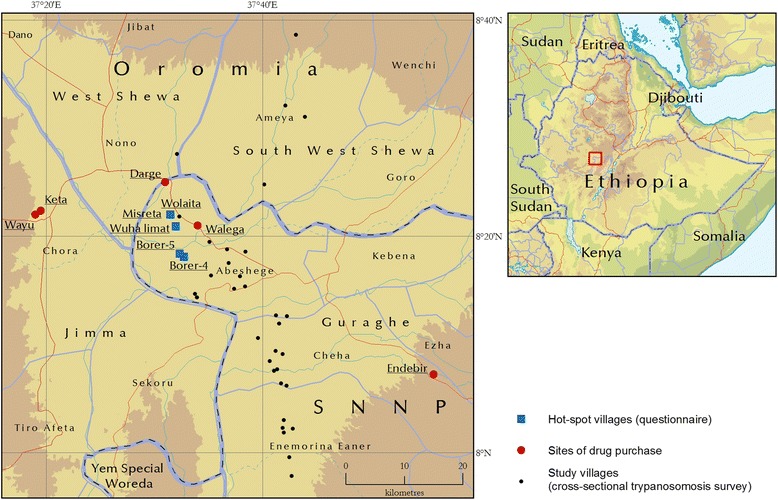
Trypanocidal drugs have been used to control African animal trypanosomosis for several decades. In Ethiopia, these drugs are available from both authorized (legal) and unauthorized (illegal) sources but documentation on utilization practices and quality of circulating products is scanty. This study looked at the practices of trypanocidal drug utilization by farmers and the integrity of active ingredient in trypanocides sold in Gurage zone, south western Ethiopia. The surveys were based on a structured questionnaire and drug quality determination of commonly used brands originating from European and Asian companies and sold at both authorized and unauthorized markets. One hundred farmers were interviewed and 50 drug samples were collected in 2013 (Diminazene aceturate = 33 and Isometamidium chloride = 17; 25 from authorized and 25 from unauthorized sources). Samples were tested at the OIE-certified Veterinary Drug Control Laboratory (LACOMEV) in Dakar, Senegal, by using galenic standards and high performance liquid chromatography.
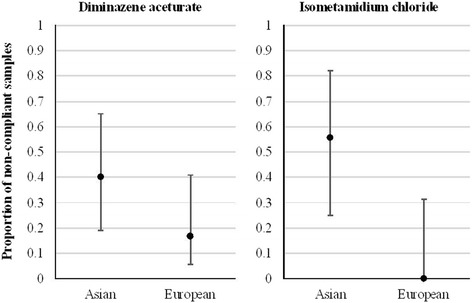
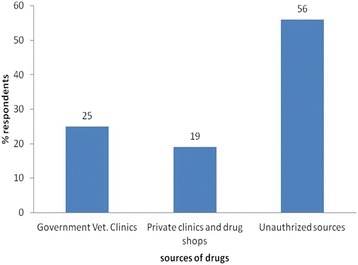
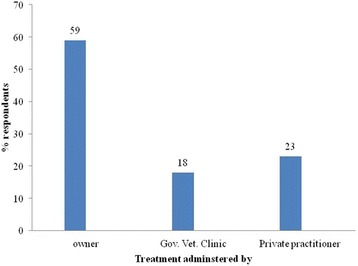
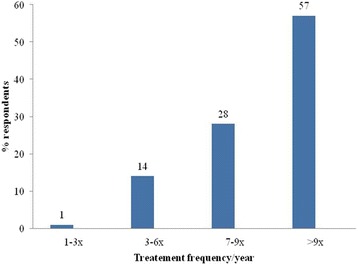
Trypanosomosis was found to be a major threat according to all interviewed livestock keepers in the study area. Diminazene aceturate and isometamidium chloride were preferred by 79% and 21% of the respondents respectively, and 85% of them indicated that an animal receives more than six treatments per year. About 60% of these treatments were reported to be administered by untrained farmers. Trypanocidal drug sources included both unauthorized outlets (56%) and authorized government and private sources (44%). A wide availability and usage of substandard quality drugs was revealed. Twenty eight percent of trypanocidal drugs tested failed to comply with quality requirements. There was no significant difference in the frequency of non-compliance between diminazene-based and isometamidium chloride products (P = 0.87) irrespective of the marketing channel (official and unofficial). However, higher rates of non-compliant trypanocides were detected for drugs originating from Asia than from Europe (P = 0.029).
The findings revealed the presence of risk factors for the development of drug resistance, i.e. wide distribution of poor quality drugs as well as substandard administration practices. Therefore, it is strongly recommended to enforce regulatory measures for quality control of veterinary drugs, to expand and strengthen veterinary services and to undertake trypanocidal drug efficacy studies of wider coverage.
几十年来,杀锥虫药物一直被用于控制非洲动物锥虫病。在埃塞俄比亚,这些药物可从授权(合法)和未授权(非法)渠道获得,但关于使用情况和流通产品质量的记录很少。本研究调查了埃塞俄比亚西南部古拉格地区农民使用杀锥虫药物的情况以及所售杀锥虫剂中活性成分的完整性。调查基于结构化问卷,并对源自欧洲和亚洲公司、在授权和未授权市场销售的常用品牌进行药物质量测定。2013年,对100名农民进行了访谈,并收集了50份药物样本(乙酰氨基阿苯胂 = 33份,氯咪啶 = 17份;25份来自授权渠道,25份来自未授权渠道)。样本在塞内加尔达喀尔的国际兽疫局认证兽药控制实验室(LACOMEV)按照盖伦标准和高效液相色谱法进行检测。
根据研究区域内所有受访的牲畜饲养者,锥虫病被认为是一个主要威胁。分别有79%和21%的受访者更喜欢使用乙酰氨基阿苯胂和氯咪啶,其中85%的受访者表示动物每年接受超过六次治疗。据报告,约60%的治疗由未经培训的农民进行。杀锥虫药物来源包括未授权销售点(56%)以及授权的政府和私人来源(44%)。结果显示存在大量质量不合格的药物在流通和使用。所检测的杀锥虫药物中有28%不符合质量要求。无论营销渠道(官方和非官方)如何,基于乙酰氨基阿苯胂的产品和氯咪啶产品不符合质量要求的频率没有显著差异(P = 0.87)。然而,源自亚洲的药物中检测到的不合格杀锥虫剂比例高于源自欧洲的药物(P = 0.029)。
研究结果揭示了产生耐药性的风险因素,即质量不佳的药物广泛流通以及用药规范不达标。因此,强烈建议加强兽药质量控制的监管措施,扩大并加强兽医服务,并开展覆盖范围更广的杀锥虫药物疗效研究。