Niaz Taskeen, Shabbir Saima, Noor Tayyaba, Abbasi Rashda, Raza Zulfiqar A, Imran Muhammad
Department of Biosciences, COMSATS Institute of Information Technology, Islamabad, Pakistan.
Department of Materials Science and Engineering, Institute of Space Technology, Islamabad, Pakistan.
Front Microbiol. 2018 Jan 15;8:2700. doi: 10.3389/fmicb.2017.02700. eCollection 2017.
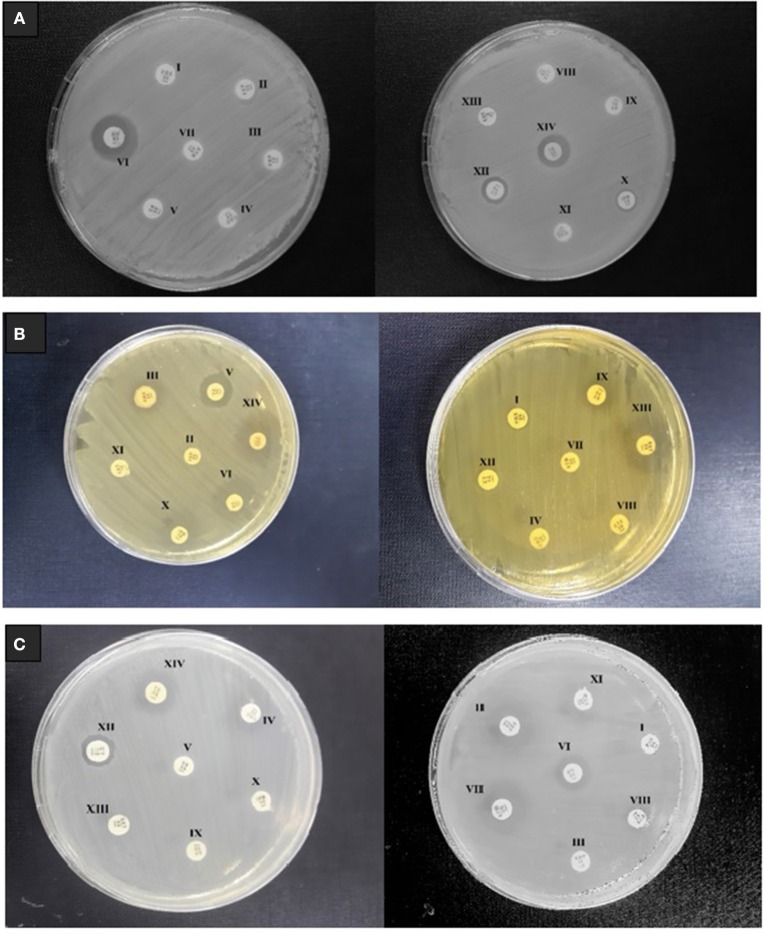
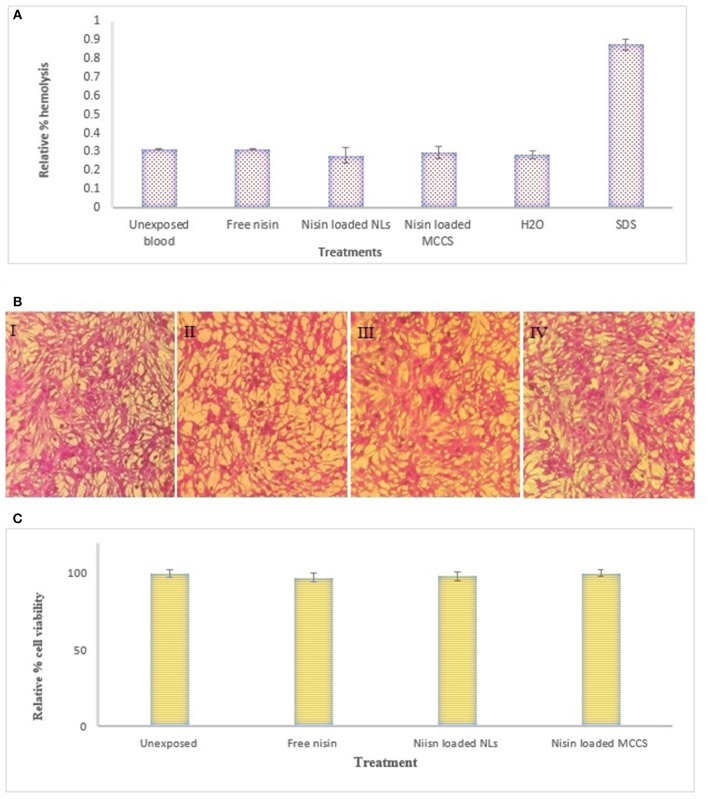
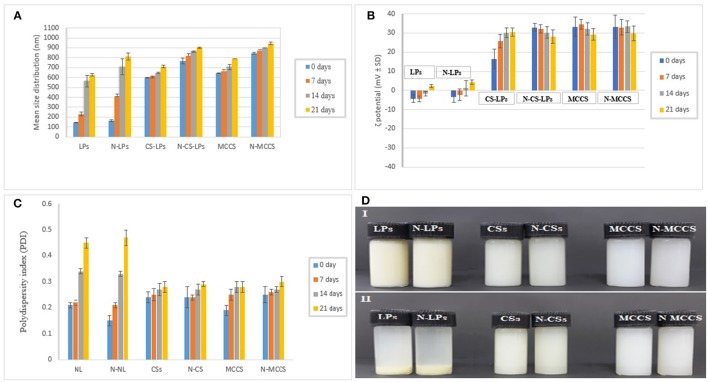
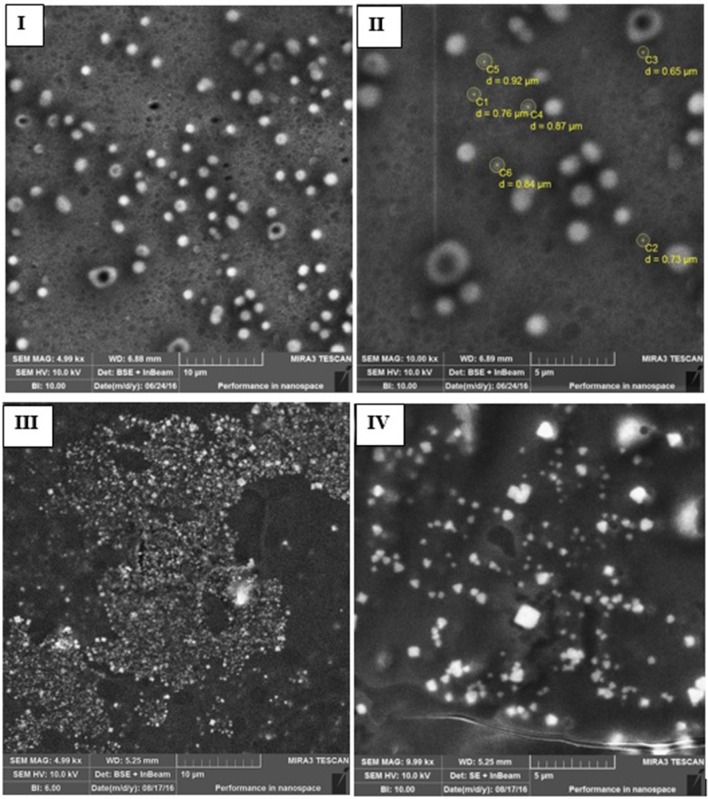
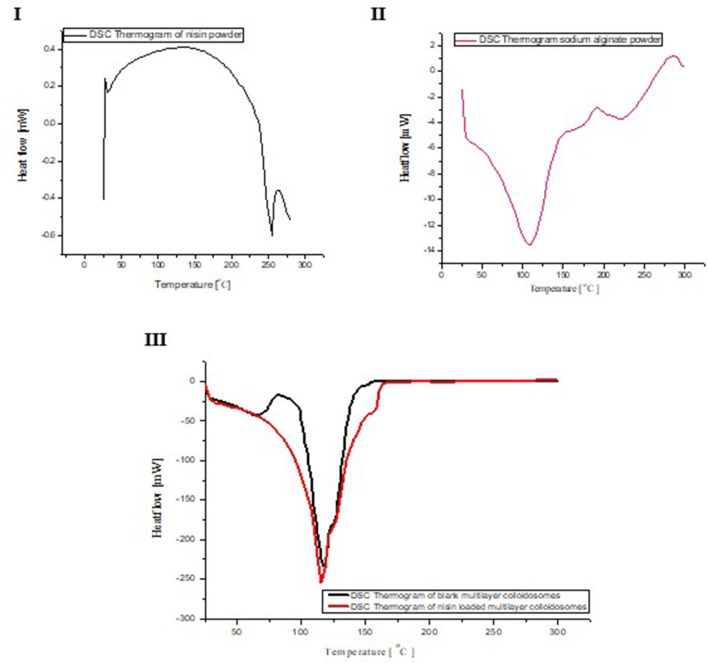
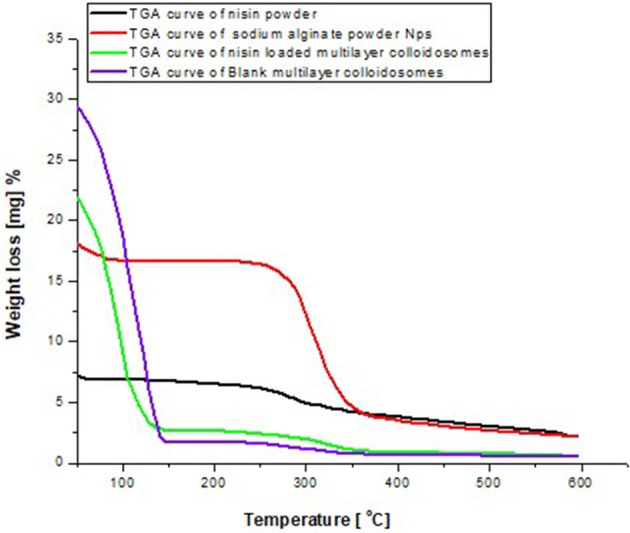
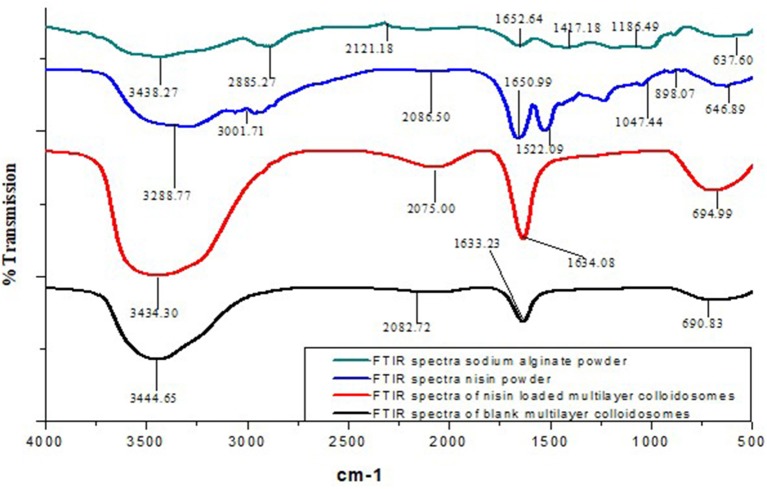
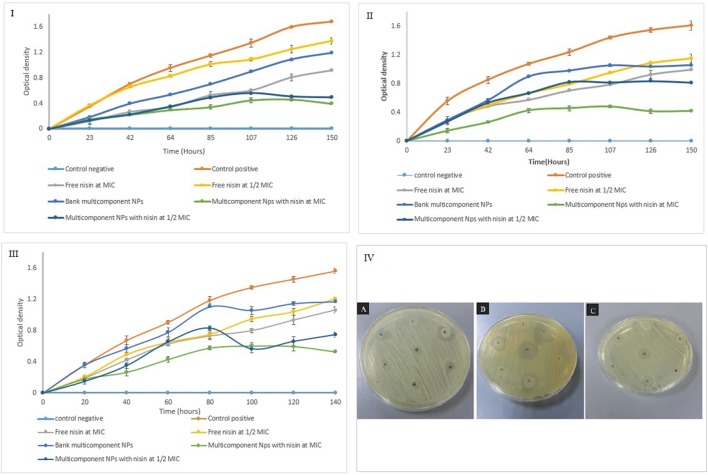
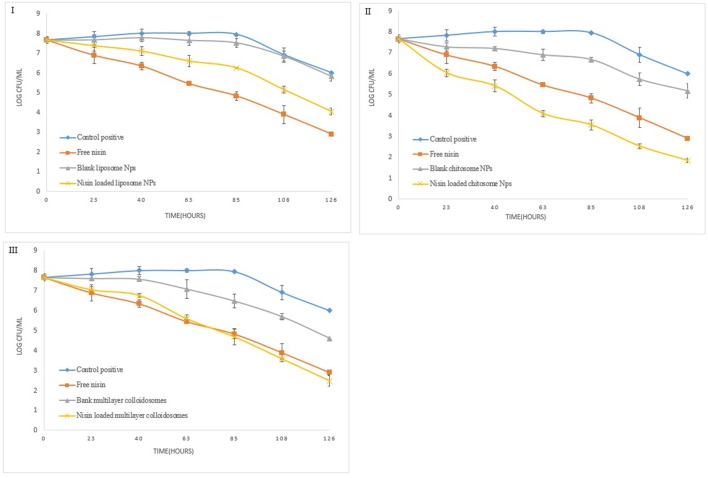
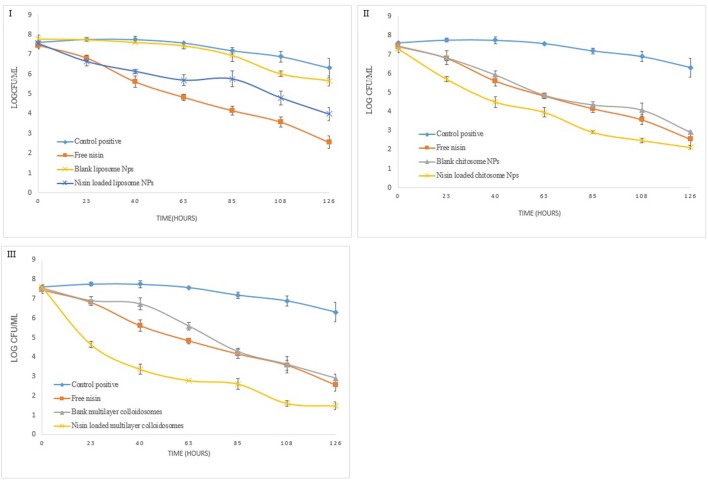
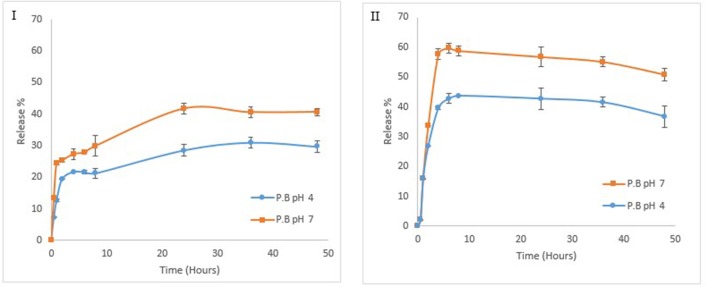
Food grade micro- or nano-carrier systems (NCS) are being developed to improve the controlled release of antimicrobial agents. To augment the stability of liposomal NCS and to overcome the limitations associated with the use of free bacteriocin (nisin) in the food system, multi-component colloidosomes (MCCS) were developed by electrostatic interactions between anionic alginate and cationic chitosan (multilayer) around phospholipids based liposomes (core). Zeta-sizer results revealed the average diameter of 145 ± 2 nm, 596 ± 3 nm, and 643 ± 5 nm for nano-liposome (NL), chitosomes (chitosan coated NL) and MCCS, respectively. Zeta potential values of NCS varied from -4.37 ± 0.16 mV to 33.3 ± 6 mV, thus both chitosomes (CS) and MCCS were positively charged. Microstructure analysis by scanning electron microscope (SEM) revealed relatively higher size of MCCS with smooth and round morphology. TGA and DSC based experiments revealed that MCCS were thermally more stable than uncoated liposomes. Encapsulation efficiency of nisin in MCCS was observed to be 82.9 ± 4.1%, which was significantly higher than NL (56.5 ± 2.5%). FTIR analyses confirmed the cross-linking between sodium alginate and chitosan layer. Both qualitative (growth kinetics) and quantitative (colony forming unit) antimicrobial assays revealed that nisin loaded MCCS have superior potential to control resistant foodborne pathogens including , and , (5.8, 5.4, and 6.1 Log CFUmL reduction, respectively) as compared to free nisin, loaded NL or CS. Controlled release kinetics data fitted with Korsmeyer-Peppas model suggested that nisin release from MCCS followed Fickian diffusion. Cytotoxic studies on human blood cells and HepG2 cell lines revealed hemocompatibility and non-toxicity of MCCS. Thus, due to enhanced controlled release, stability and biocompatibility; these multi-component colloidosomes can be useful for incorporating antimicrobial agents into functional foods, beverages and pharmaceutical products to combat pathogenic and spoilage bacteria.
人们正在开发食品级微载体或纳米载体系统(NCS),以改善抗菌剂的控释效果。为了增强脂质体NCS的稳定性,并克服食品系统中使用游离细菌素(乳酸链球菌素)的相关局限性,通过基于磷脂的脂质体(核心)周围的阴离子藻酸盐和阳离子壳聚糖(多层)之间的静电相互作用,开发了多组分胶体囊泡(MCCS)。Zeta粒度分析仪结果显示,纳米脂质体(NL)、壳聚糖体(壳聚糖包被的NL)和MCCS的平均直径分别为145±2nm、596±3nm和643±5nm。NCS的Zeta电位值在-4.37±0.16mV至33.3±6mV之间变化,因此壳聚糖体(CS)和MCCS均带正电。扫描电子显微镜(SEM)进行的微观结构分析显示,MCCS尺寸相对较大,形态光滑且呈圆形。基于热重分析(TGA)和差示扫描量热法(DSC)的实验表明,MCCS的热稳定性高于未包被的脂质体。观察到MCCS中乳酸链球菌素的包封效率为82.9±4.1%,显著高于NL(56.5±2.5%)。傅里叶变换红外光谱(FTIR)分析证实了藻酸钠和壳聚糖层之间的交联。定性(生长动力学)和定量(菌落形成单位)抗菌试验均表明,与游离乳酸链球菌素、负载NL或CS相比,负载乳酸链球菌素的MCCS具有更强的控制耐药食源性病原体的潜力,包括 、 和 (分别降低5.8、5.4和6.1 Log CFU/mL)。符合Korsmeyer-Peppas模型的控释动力学数据表明,MCCS中乳酸链球菌素的释放遵循菲克扩散。对人血细胞和HepG2细胞系的细胞毒性研究表明,MCCS具有血液相容性且无毒。因此,由于增强的控释、稳定性和生物相容性,这些多组分胶体囊泡可用于将抗菌剂掺入功能性食品、饮料和药品中,以对抗致病和腐败细菌。