Shields Robert C, Zeng Lin, Culp David J, Burne Robert A
Department of Oral Biology, College of Dentistry, University of Florida, Gainesville, Florida, USA.
mSphere. 2018 Feb 7;3(1). doi: 10.1128/mSphere.00031-18. eCollection 2018 Jan-Feb.
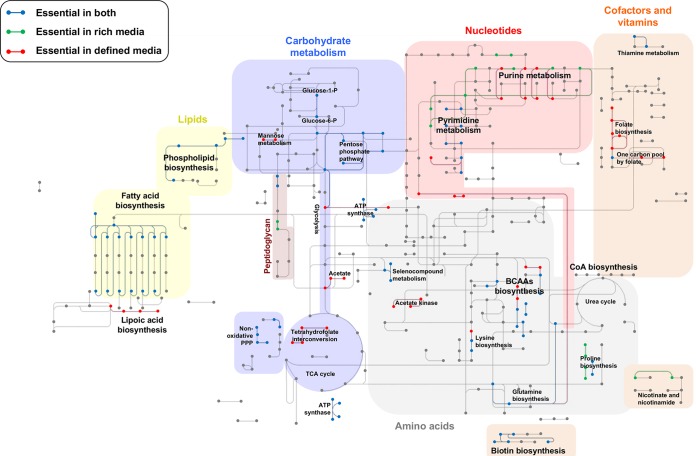
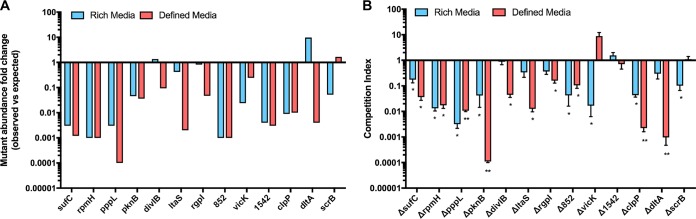
Transposon mutagenesis coupled with next-generation DNA sequencing (Tn-seq) is a powerful tool for discovering regions of the genome that are required for the survival of bacteria in different environments. We adapted this technique to the dental caries pathogen UA159 and identified 11% of the genome as essential, with many genes encoding products required for replication, translation, lipid metabolism, and cell wall biogenesis. Comparison of the essential genome of UA159 with those of selected other streptococci for which such information is available revealed several metabolic pathways and genes that are required in , but not in some spp. We further identified genes that are essential for sustained growth in rich or defined medium, as well as for persistence in a rodent model of oral infection. Collectively, our results provide a novel and comprehensive view of the genes required for essential processes of , many of which could represent potential targets for therapeutics. Tooth decay (dental caries) is a common cause of pain, impaired quality of life, and tooth loss in children and adults. It begins because of a compositional change in the microorganisms that colonize the tooth surface driven by repeated and sustained carbohydrate intake. Although several bacterial species are associated with tooth decay, is the most common cause. Therefore, it is important to identify biological processes that contribute to the survival of in the human mouth, with the aim of disrupting the processes with antimicrobial agents. We successfully applied Tn-seq to , discovering genes that are required for survival, growth, and persistence, both in laboratory environments and in a mouse model of tooth decay. This work highlights new avenues for the control of an important human pathogen.
转座子诱变与新一代DNA测序技术相结合(Tn-seq)是一种强大的工具,可用于发现细菌在不同环境中生存所需的基因组区域。我们将这项技术应用于龋齿病原体UA159,并确定11%的基因组为必需基因组,其中许多基因编码复制、翻译、脂质代谢和细胞壁生物合成所需的产物。将UA159的必需基因组与其他已获得此类信息的选定链球菌的必需基因组进行比较,发现了一些在某些链球菌中需要但在其他一些链球菌中不需要的代谢途径和基因。我们进一步确定了在丰富或限定培养基中持续生长以及在啮齿动物口腔感染模型中持续存在所必需的基因。总体而言,我们的结果为该菌基本生命过程所需的基因提供了全新而全面的视角,其中许多基因可能成为潜在的治疗靶点。龋齿是儿童和成人疼痛、生活质量受损及牙齿脱落的常见原因。它始于因反复持续摄入碳水化合物导致在牙齿表面定殖的微生物组成发生变化。虽然有几种细菌与龋齿相关,但该菌是最常见的病因。因此,确定有助于该菌在人口腔中生存的生物学过程,以便用抗菌剂干扰这些过程非常重要。我们成功地将Tn-seq应用于该菌,发现了其在实验室环境和龋齿小鼠模型中生存、生长和持续存在所需的基因。这项工作为控制一种重要的人类病原体开辟了新途径。