Wellcome Centre for Human Neuroimaging, Institute of Neurology, University College London, London WC1N 3BG, United Kingdom; Department of Speech, Language and Hearing Sciences, Faculty of Medicine, Universidad de Concepcion, PO Box 160-C, Concepcion, Chile.
Wellcome Centre for Human Neuroimaging, Institute of Neurology, University College London, London WC1N 3BG, United Kingdom; Department of Speech, Language and Hearing Sciences, Faculty of Health Sciences, Universidad del Desarrollo, 4070001 Concepcion, Chile.
Neuropsychologia. 2018 Jul 1;115:101-111. doi: 10.1016/j.neuropsychologia.2018.03.014. Epub 2018 Mar 15.
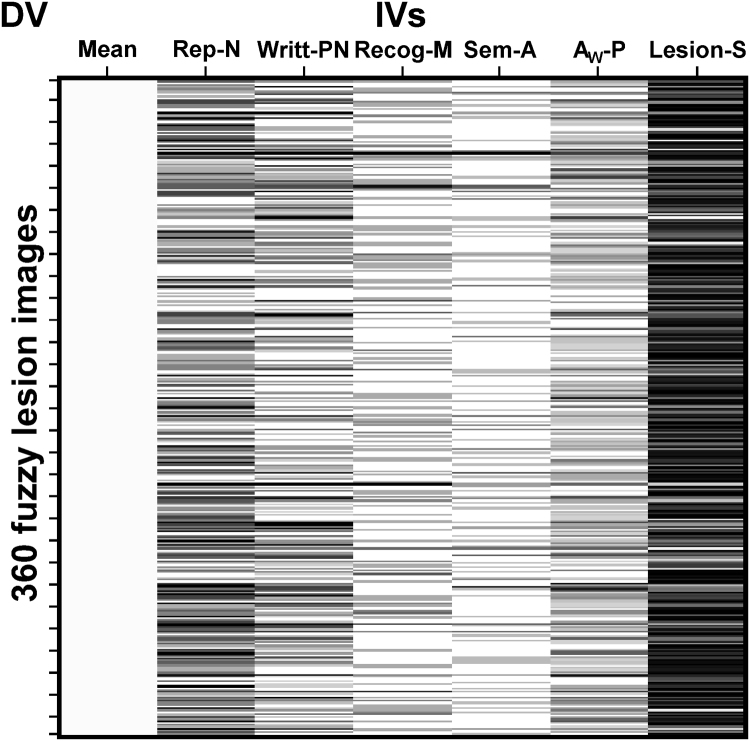
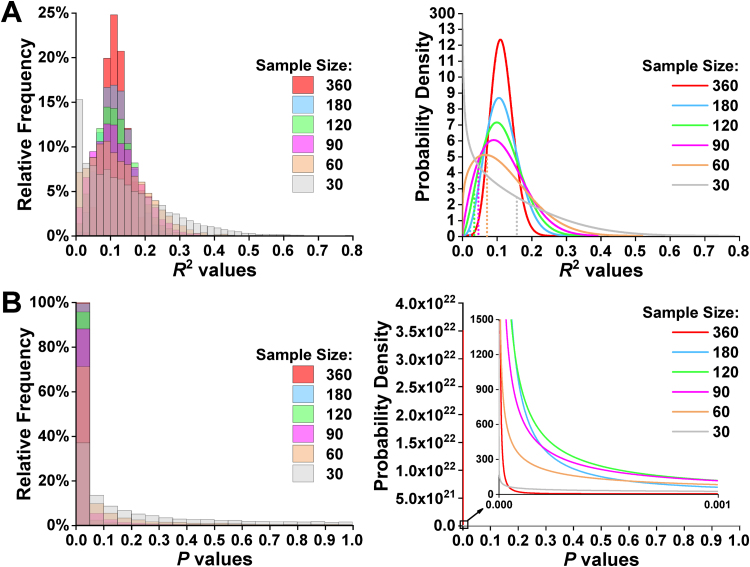
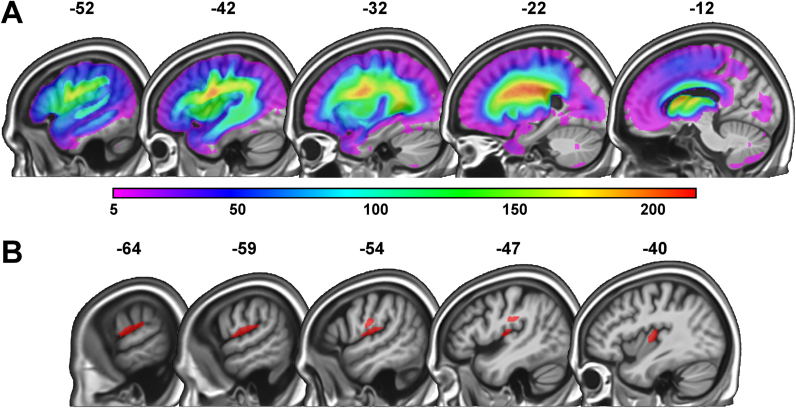
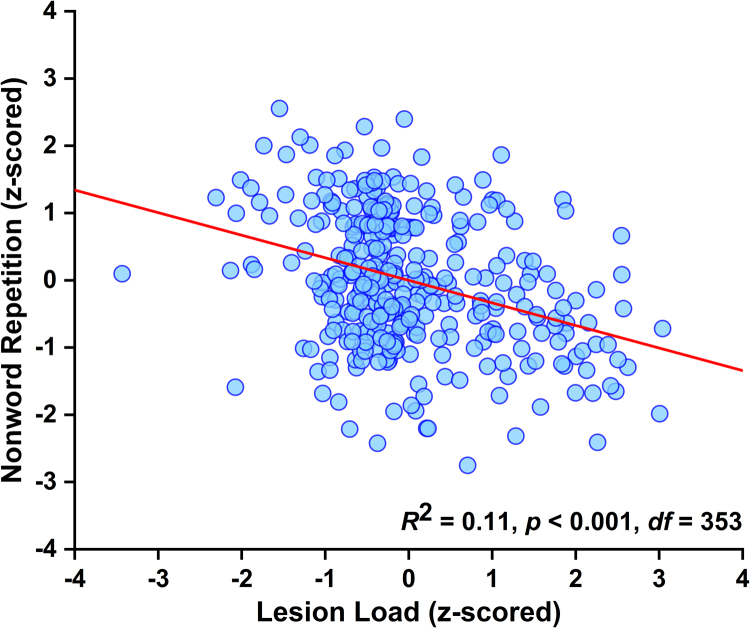
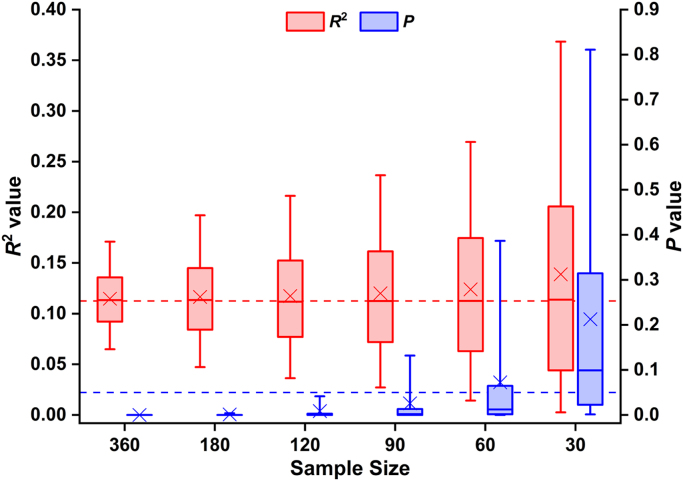
This study investigated how sample size affects the reproducibility of findings from univariate voxel-based lesion-deficit analyses (e.g., voxel-based lesion-symptom mapping and voxel-based morphometry). Our effect of interest was the strength of the mapping between brain damage and speech articulation difficulties, as measured in terms of the proportion of variance explained. First, we identified a region of interest by searching on a voxel-by-voxel basis for brain areas where greater lesion load was associated with poorer speech articulation using a large sample of 360 right-handed English-speaking stroke survivors. We then randomly drew thousands of bootstrap samples from this data set that included either 30, 60, 90, 120, 180, or 360 patients. For each resample, we recorded effect size estimates and p values after conducting exactly the same lesion-deficit analysis within the previously identified region of interest and holding all procedures constant. The results show (1) how often small effect sizes in a heterogeneous population fail to be detected; (2) how effect size and its statistical significance varies with sample size; (3) how low-powered studies (due to small sample sizes) can greatly over-estimate as well as under-estimate effect sizes; and (4) how large sample sizes (N ≥ 90) can yield highly significant p values even when effect sizes are so small that they become trivial in practical terms. The implications of these findings for interpreting the results from univariate voxel-based lesion-deficit analyses are discussed.
本研究探讨了样本量如何影响单变量体素基于病变的分析(例如,体素基于病变与症状的关系分析和体素基于形态学分析)结果的可重复性。我们感兴趣的效应是大脑损伤与言语发音困难之间的映射强度,以解释方差的比例来衡量。首先,我们通过在一个包含 360 名右利手英语母语中风幸存者的大型数据集上进行基于体素的搜索,确定了一个感兴趣的区域,该区域中大脑区域的病变负荷越大,与言语发音困难的相关性越强。然后,我们从这个数据集随机抽取了数千个 bootstrap 样本,其中包括 30、60、90、120、180 或 360 名患者。对于每个重采样,我们在先前确定的感兴趣区域内进行完全相同的病变缺陷分析,并保持所有程序不变,记录效应大小估计值和 p 值。结果表明:(1)在异质人群中,小效应大小有多大几率无法被检测到;(2)效应大小及其统计学意义如何随样本量变化;(3)由于样本量小,低功效研究(powered studies)如何会大大高估和低估效应大小;(4)当效应大小小到实际上微不足道时,大样本量(N≥90)如何能产生高度显著的 p 值。讨论了这些发现对解释单变量体素基于病变的分析结果的影响。