Epstein Leonard H, Paluch Rocco A, Carr Katelyn A, Temple Jennifer L, Bickel Warren K, MacKillop James
University at Buffalo, Jacobs School of Medicine and Biomedical Sciences, United States.
University at Buffalo, Jacobs School of Medicine and Biomedical Sciences, United States.
Eat Behav. 2018 Apr;29:120-127. doi: 10.1016/j.eatbeh.2018.03.008. Epub 2018 Apr 3.
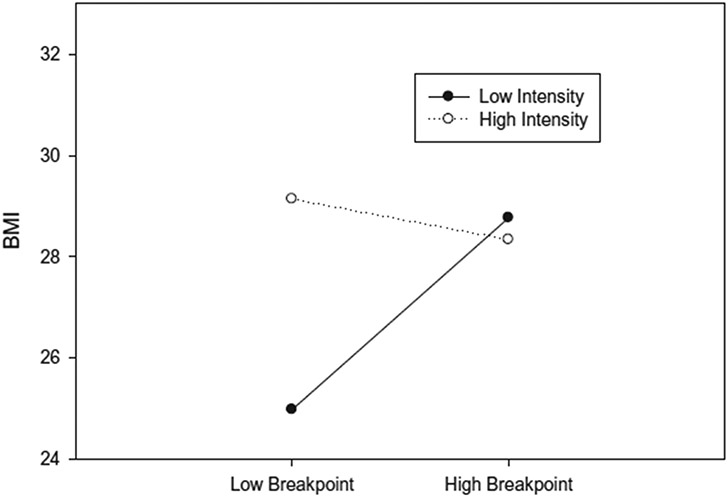
Food is a primary reinforcer, and food reinforcement is related to obesity. The reinforcing value of food can be measured by establishing how hard someone will work to get food on progressive-ratio schedules. An alternative way to measure food reinforcement is a hypothetical purchase task which creates behavioral economic demand curves. This paper studies whether reinforcing value and hypothetical behavioral demand approaches are assessing the same or unique aspects of food reinforcement for low (LED) and high (HED) energy density foods using a combination of analytic approaches in females of varying BMI. Results showed absolute reinforcing value for LED and HED foods and relative reinforcing value were related to demand intensity (r's = 0.20-0.30, p's < 0.01), and demand elasticity (r's = 0.17-0.22, p's < 0.05). Correlations between demographic, BMI and restraint, disinhibition and hunger variables with the two measures of food reinforcement were different. Finally, the two measures provided unique contributions to predicting BMI. Potential reasons for differences between the reinforcing value and hypothetical purchase tasks were actual responding versus hypothetical purchasing, choice of reinforcers versus purchasing of individual foods in the demand task, and the differential role of effort in the two tasks. Examples of how a better understanding of food reinforcement may be useful to prevent or treat obesity are discussed, including engaging in alternative non-food reinforcers as substitutes for food, such as crafts or socializing in a non-food environment, and reducing the value of immediate food reinforcers by episodic future thinking.
食物是一种主要强化物,食物强化与肥胖有关。食物的强化价值可以通过确定在累进比率时间表上人们为获取食物会付出多大努力来衡量。衡量食物强化的另一种方法是一种假设购买任务,它能创建行为经济需求曲线。本文使用多种分析方法,研究在不同BMI的女性中,强化价值和假设行为需求方法评估的是低能量密度(LED)和高能量密度(HED)食物的食物强化的相同方面还是独特方面。结果显示,LED和HED食物的绝对强化价值以及相对强化价值与需求强度相关(r值 = 0.20 - 0.30,p值 < 0.01),与需求弹性相关(r值 = 0.17 - 0.22,p值 < 0.05)。人口统计学、BMI与克制、去抑制和饥饿变量与两种食物强化测量之间的相关性不同。最后,这两种测量方法在预测BMI方面提供了独特的贡献。强化价值和假设购买任务之间存在差异的潜在原因包括实际反应与假设购买、强化物的选择与需求任务中单个食物的购买,以及努力在两项任务中的不同作用。文中讨论了更好地理解食物强化如何有助于预防或治疗肥胖的例子,包括参与替代性非食物强化物来替代食物,如在非食物环境中进行手工艺活动或社交,以及通过情景式未来思考降低即时食物强化物的价值。