Voiculescu Vlad Mihai, Solomon Iulia, Popa Alexandra, Draghici Carmen Cristina, Dobre Maria, Giurcaneanu Calin, Papagheorghe Laura Maria Lucia, Lupu Mihai
Discipline of Clinical Dermatology and Allergology, "Carol Davila" University of Medicine and Pharmacy, Bucharest.
Dermatology Department, "Elias" University Emergency Hospital, Bucharest.
J Med Life. 2018 Jan-Mar;11(1):69-74.
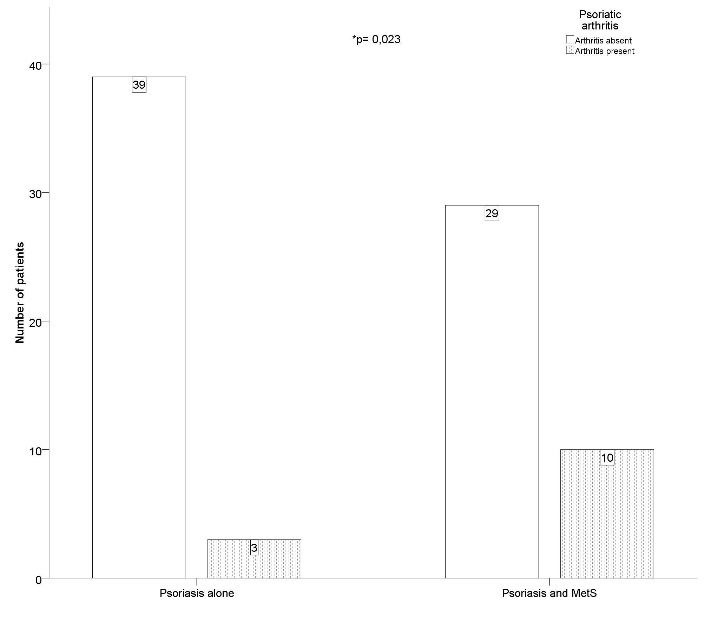
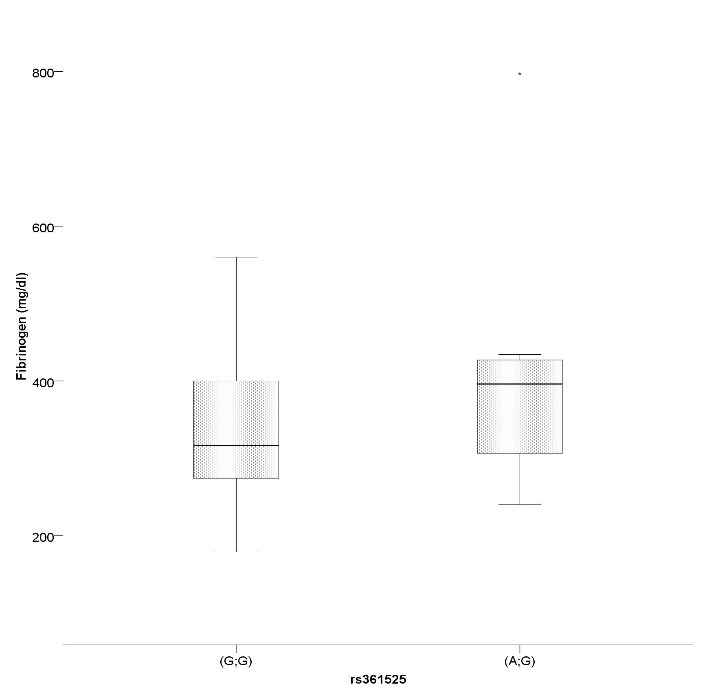
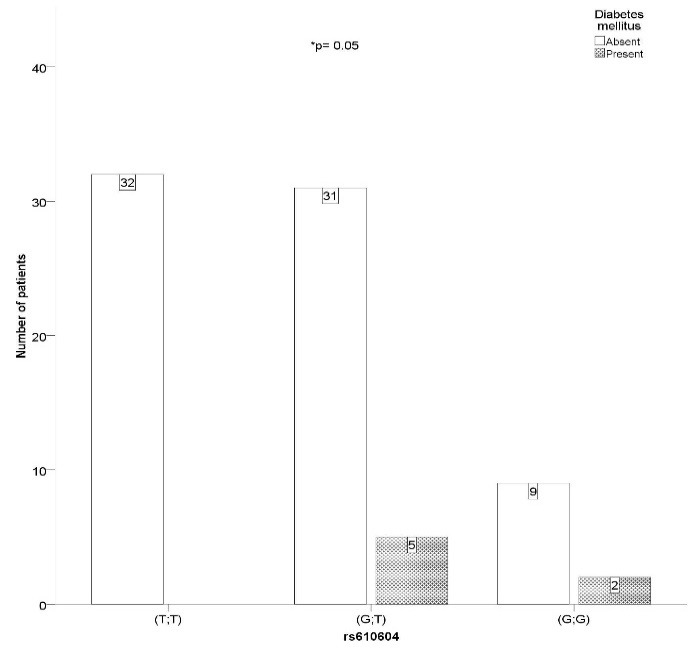
Psoriasis is a prevalent chronic inflammatory disease with worldwide distribution affecting approximately 2% of the Caucasian population. There have been many population- and family-based studies that agree on the strong genetic component of this disease. Several studies have investigated the relationship between cytokine gene polymorphisms, psoriasis, and the occurrence of comorbidities but their data are conflicting. This study examines cytokine gene single-nucleotide polymorphisms (SNPs) in the context of psoriasis and metabolic syndrome, with a focus on the occurrence of comorbidities in psoriasis patients. The working hypothesis is that particular SNPs may predispose to an accelerated disease course and more comorbidities in psoriasis patients. This cross-sectional study was carried out in 2016 in the Dermatology Department of "Elias" University Emergency Hospital, Bucharest and included 82 psoriasis patients. Several clinical and laboratory parameters were recorded, and the presence of metabolic syndrome (MetS) was noted. Using real-time PCR, we tested for the following SNPs: rs361525, rs1800629, rs1800896, rs610604, rs17782313. Disease severity was not significantly influenced by any of the five studied SNPs. Gene polymorphism of rs17782313 was found to influence the occurrence of psoriatic arthritis. In these patients, rs610604 and rs17782313 polymorphisms were associated with the presence of diabetes mellitus. Furthermore, rs17782313 influenced the presence of obesity, heterozygotes being more at risk. Our data suggested that MetS occurred independently of the five studied SNPs. The influence of certain cytokine gene polymorphisms on multiple organ systems is justification enough for further analysis of the genetic and molecular mechanisms of metabolic syndrome development in psoriasis patients. single-nucleotide polymorphisms - SNPs, metabolic syndrome - MetS.
银屑病是一种常见的慢性炎症性疾病,全球发病率约为2%,影响着约2%的白种人。许多基于人群和家庭的研究都一致认为该病具有很强的遗传因素。多项研究调查了细胞因子基因多态性、银屑病与合并症发生之间的关系,但数据相互矛盾。本研究在银屑病和代谢综合征背景下检测细胞因子基因单核苷酸多态性(SNP),重点关注银屑病患者合并症的发生情况。研究假设是特定的SNP可能使银屑病患者更容易出现疾病进程加速和更多合并症。这项横断面研究于2016年在布加勒斯特“埃利亚斯”大学急诊医院皮肤科进行,纳入了82例银屑病患者。记录了多项临床和实验室参数,并记录了代谢综合征(MetS)的存在情况。使用实时聚合酶链反应,我们检测了以下SNP:rs361525、rs1800629、rs1800896、rs610604、rs17782313。所研究的五个SNP均未对疾病严重程度产生显著影响。发现rs17782313的基因多态性会影响银屑病关节炎的发生。在这些患者中,rs610604和rs17782313多态性与糖尿病的存在有关。此外,rs17782313影响肥胖的发生,杂合子风险更高。我们的数据表明,代谢综合征的发生与所研究的五个SNP无关。某些细胞因子基因多态性对多个器官系统的影响足以成为进一步分析银屑病患者代谢综合征发生的遗传和分子机制的理由。单核苷酸多态性 - SNPs,代谢综合征 - MetS