Kasemsuwan Suwicha, Chanachai Karoon, Pinyopummintr Tanu, Leelalapongsathon Kansuda, Sujit Kitipat, Vos Ad
Faculty of Veterinary Medicine, Kasetsart University, Kamphaeng Saen 73140, Thailand.
Department of Livestock Development, Ministry of Agriculture, Ratchathewi, Bangok 10400, Thailand.
Vet Sci. 2018 May 4;5(2):47. doi: 10.3390/vetsci5020047.
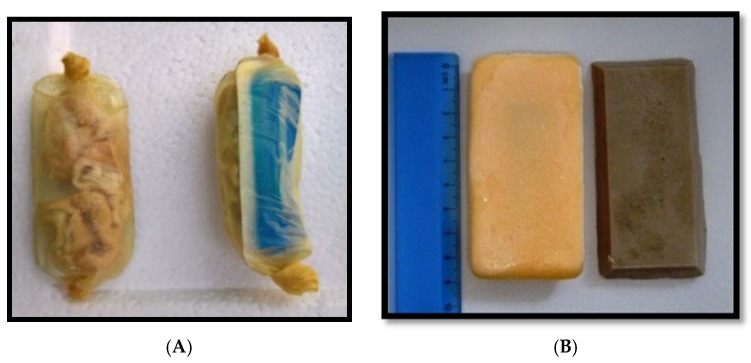
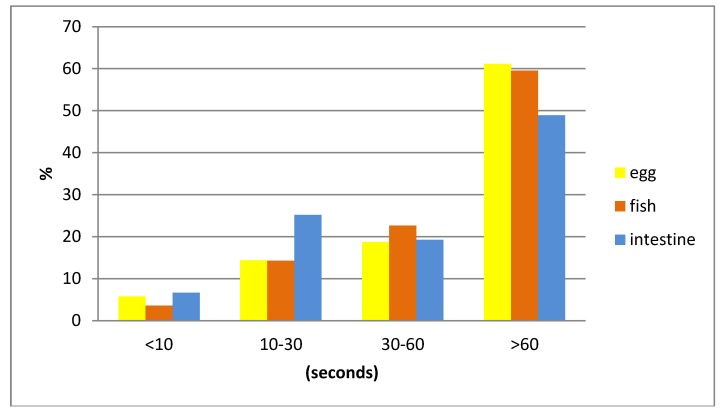
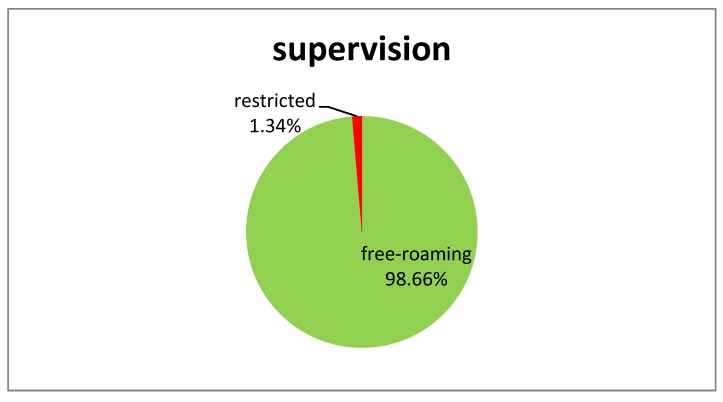
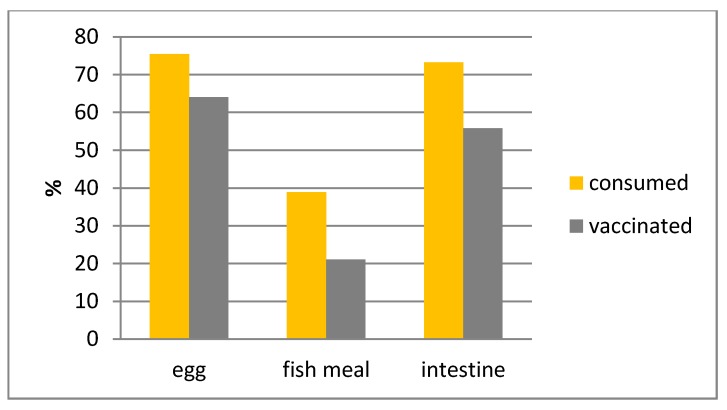
(1) Background: As part of the ongoing endeavor to eliminate dog-mediated human rabies in Thailand, renewed interest has been shown in oral vaccination of dogs as a supplementary tool to increase vaccination coverage of the dog population. (2) Methods: Three different bait types were tested using a hand-out model on the campus of the Kasetsart University and the surrounding temples in Thailand during September 2017, consisting of two industrial manufactured baits (fish meal and egg-flavored) and one bait made from local material (boiled pig intestine placed in collagen casing). A PVC-capsule containing dyed water was inserted in the bait. (3) Results: The fishmeal bait was significantly less often accepted and consumed (50.29%) than the other two baits (intestine bait—79.19%; egg bait—78.77%). Delivery and release of the dyed water in the oral cavity was highest in the egg-flavored bait (84.50%), followed by the intestine bait (76.61%) and fishmeal (54.85%) baits. Bait acceptance was influenced by sex, age, and body size of the dog. Also, the origin of the dogs had a significant effect: temple dogs accepted the baits more often than street dogs. (4) Conclusion: A significant portion of the free-roaming dog population in this study can be vaccinated by offering vaccine baits.
(1) 背景:作为泰国正在进行的消除犬传人狂犬病工作的一部分,人们对给犬进行口服疫苗接种作为增加犬群疫苗接种覆盖率的补充工具重新产生了兴趣。(2) 方法:2017年9月,在泰国农业大学的校园及周边寺庙采用分发模式对三种不同类型的诱饵进行了测试,包括两种工业生产的诱饵(鱼粉味和鸡蛋味)和一种用当地材料制作的诱饵(置于胶原肠衣中的煮熟猪肠)。在诱饵中插入了一个装有染色水的PVC胶囊。(3) 结果:鱼粉诱饵被接受和食用的频率(50.29%)明显低于其他两种诱饵(肠诱饵——79.19%;鸡蛋诱饵——78.77%)。鸡蛋味诱饵在口腔中染色水的递送和释放率最高(84.50%),其次是肠诱饵(76.61%)和鱼粉诱饵(54.85%)。诱饵的接受情况受犬的性别、年龄和体型影响。此外,犬的来源也有显著影响:寺庙犬比流浪犬更常接受诱饵。(4) 结论:通过提供疫苗诱饵,可以为本研究中很大一部分自由放养的犬群接种疫苗。