Guazzo Riccardo, Gardin Chiara, Bellin Gloria, Sbricoli Luca, Ferroni Letizia, Ludovichetti Francesco Saverio, Piattelli Adriano, Antoniac Iulian, Bressan Eriberto, Zavan Barbara
Department of Neurosciences, Institute of Clinical Dentistry, University of Padova, 35128 Padova, Italy.
Department of Biomedical Sciences, University of Padova, 35131 Padova, Italy.
Nanomaterials (Basel). 2018 May 20;8(5):349. doi: 10.3390/nano8050349.
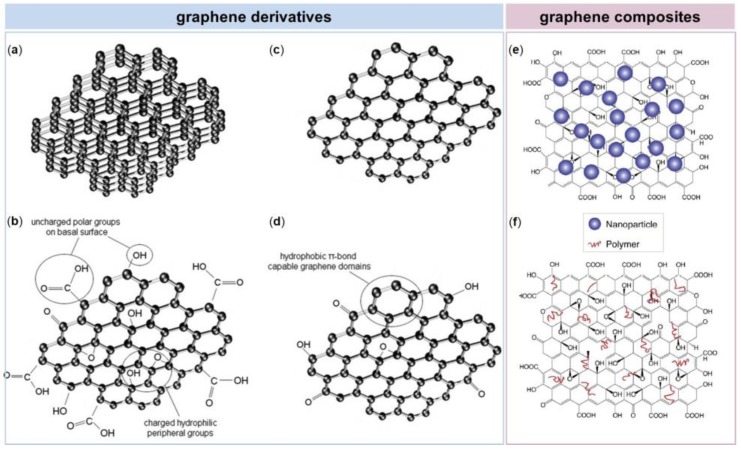
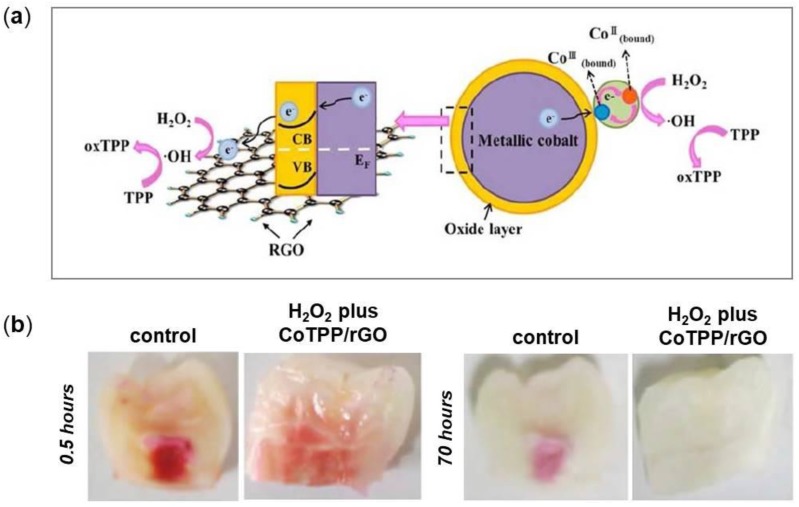
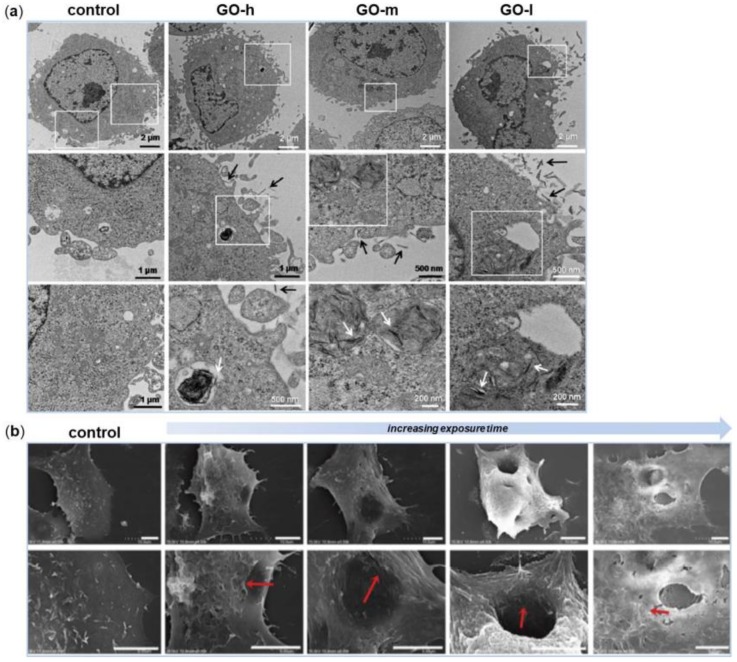
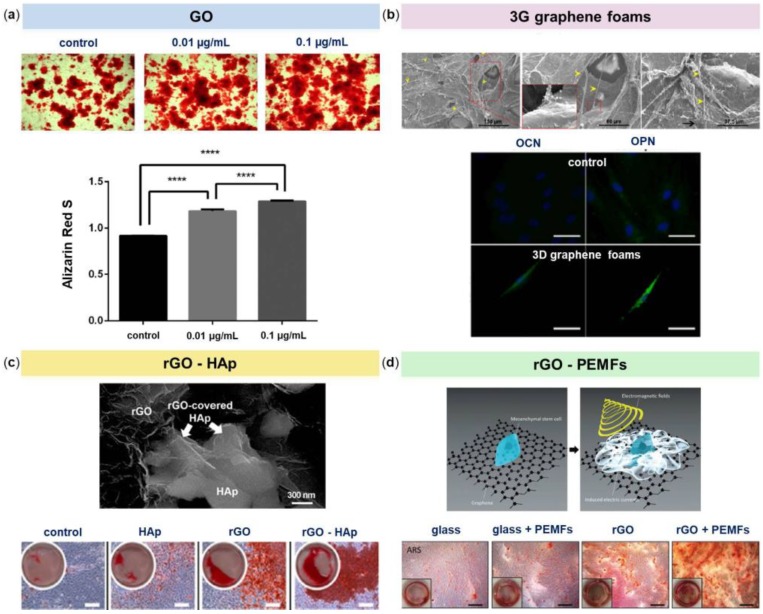
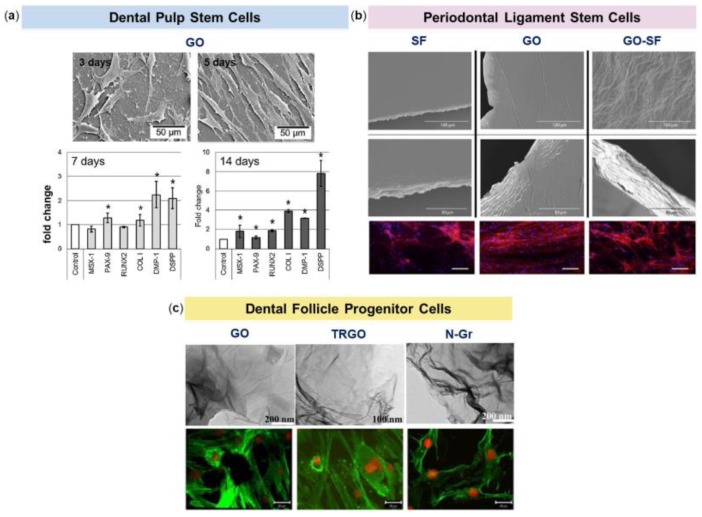
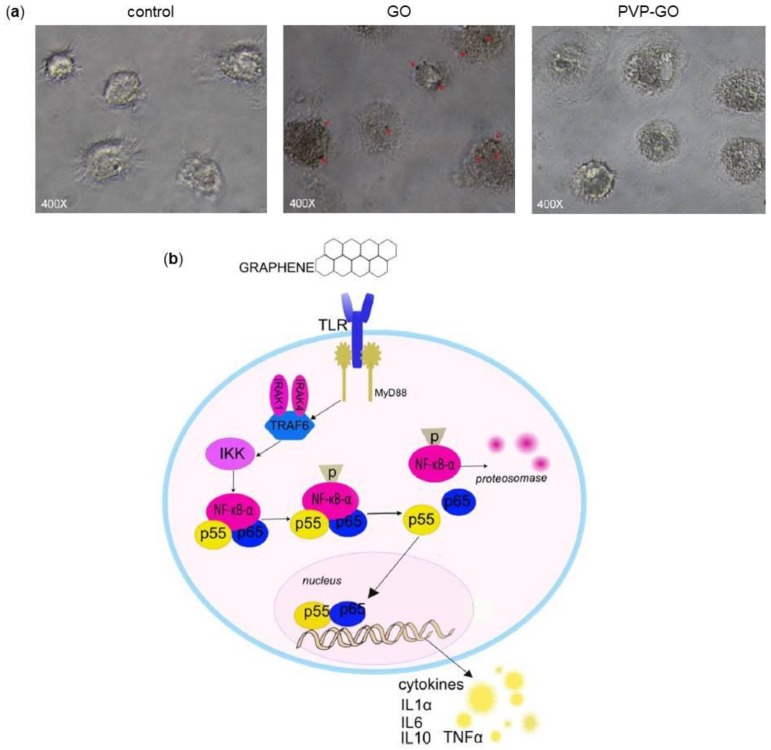
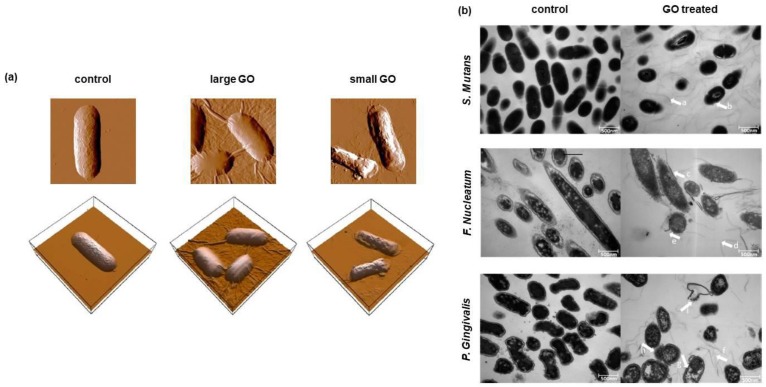
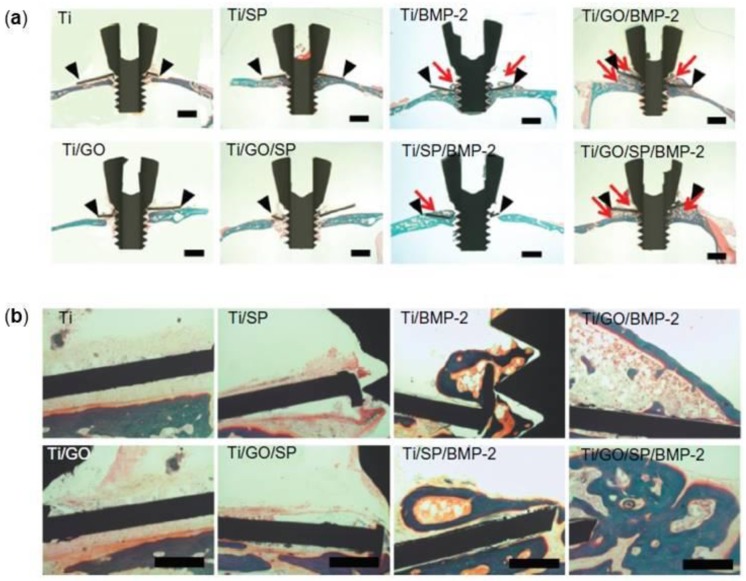
The world of dentistry is approaching graphene-based nanomaterials as substitutes for tissue engineering. Apart from its exceptional mechanical strength, electrical conductivity and thermal stability, graphene and its derivatives can be functionalized with several bioactive molecules. They can also be incorporated into different scaffolds used in regenerative dentistry, generating nanocomposites with improved characteristics. This review presents the state of the art of graphene-based nanomaterial applications in the dental field. We first discuss the interactions between cells and graphene, summarizing the available in vitro and in vivo studies concerning graphene biocompatibility and cytotoxicity. We then highlight the role of graphene-based nanomaterials in stem cell control, in terms of adhesion, proliferation and differentiation. Particular attention will be given to stem cells of dental origin, such as those isolated from dental pulp, periodontal ligament or dental follicle. The review then discusses the interactions between graphene-based nanomaterials with cells of the immune system; we also focus on the antibacterial activity of graphene nanomaterials. In the last section, we offer our perspectives on the various opportunities facing the use of graphene and its derivatives in associations with titanium dental implants, membranes for bone regeneration, resins, cements and adhesives as well as for tooth-whitening procedures.
牙科领域正在将基于石墨烯的纳米材料作为组织工程的替代品。除了其卓越的机械强度、导电性和热稳定性外,石墨烯及其衍生物还可以用多种生物活性分子进行功能化。它们还可以被整合到再生牙科中使用的不同支架中,生成具有改进特性的纳米复合材料。本综述介绍了基于石墨烯的纳米材料在牙科领域的应用现状。我们首先讨论细胞与石墨烯之间的相互作用,总结有关石墨烯生物相容性和细胞毒性的现有体外和体内研究。然后,我们重点介绍基于石墨烯的纳米材料在干细胞控制方面的作用,包括黏附、增殖和分化。将特别关注牙源性干细胞,例如从牙髓、牙周韧带或牙囊分离出的干细胞。综述接着讨论基于石墨烯的纳米材料与免疫系统细胞之间的相互作用;我们还关注石墨烯纳米材料的抗菌活性。在最后一部分,我们就石墨烯及其衍生物与牙科钛植入物、骨再生膜、树脂、水泥和粘合剂以及牙齿美白程序结合使用所面临的各种机遇发表我们的看法。