Department of Physiology, University of California, San Francisco, San Francisco, United States.
Center for Integrative Neuroscience, University of California, San Francisco, San Francisco, United States.
Elife. 2018 May 29;7:e31034. doi: 10.7554/eLife.31034.
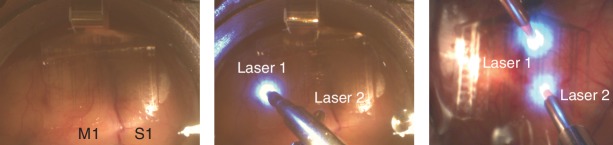
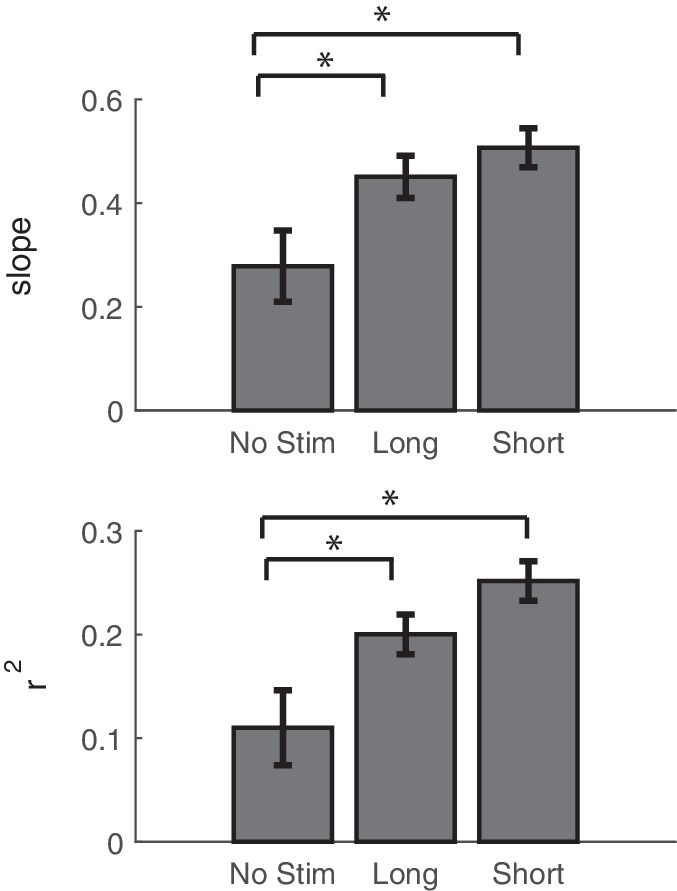
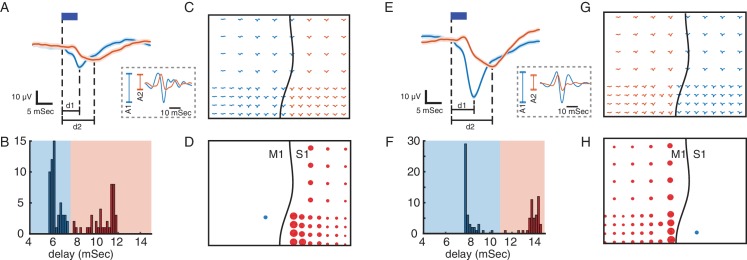
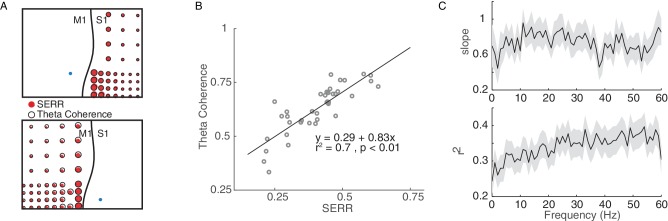
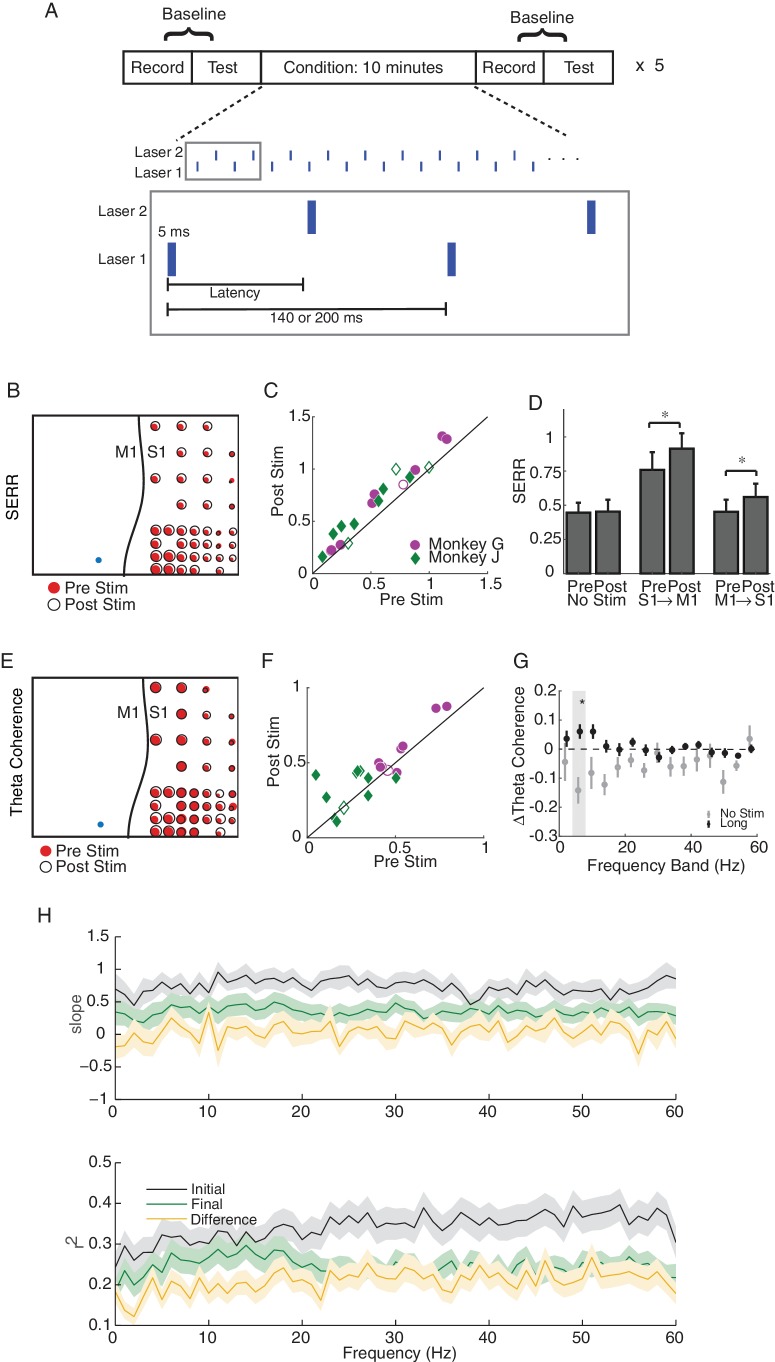
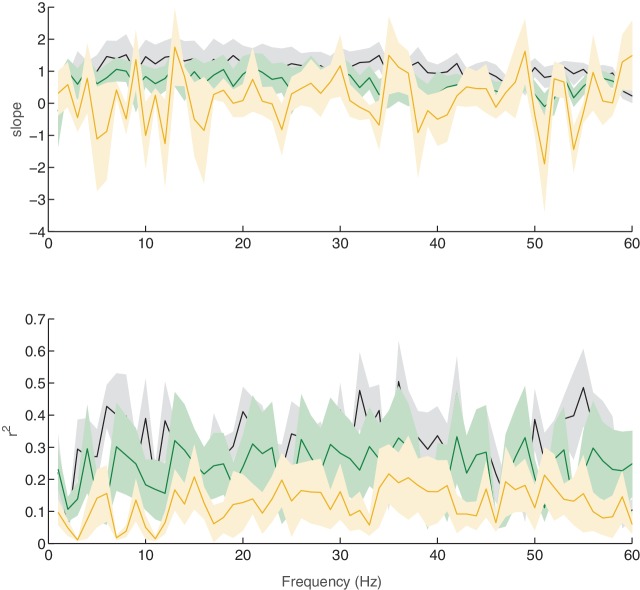
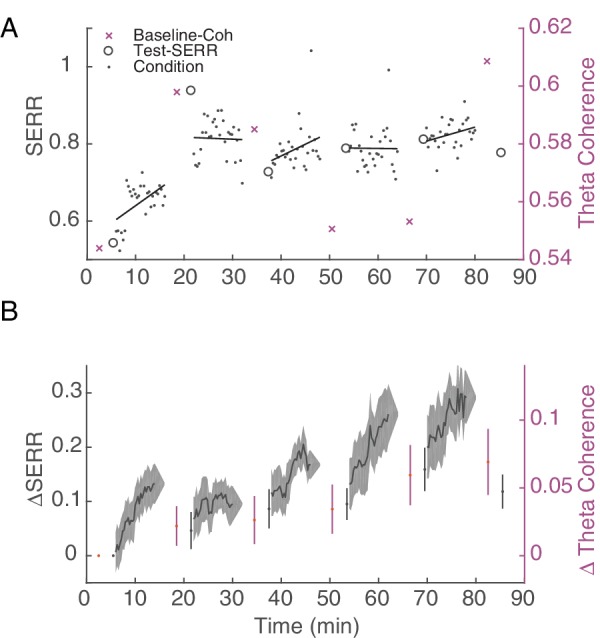
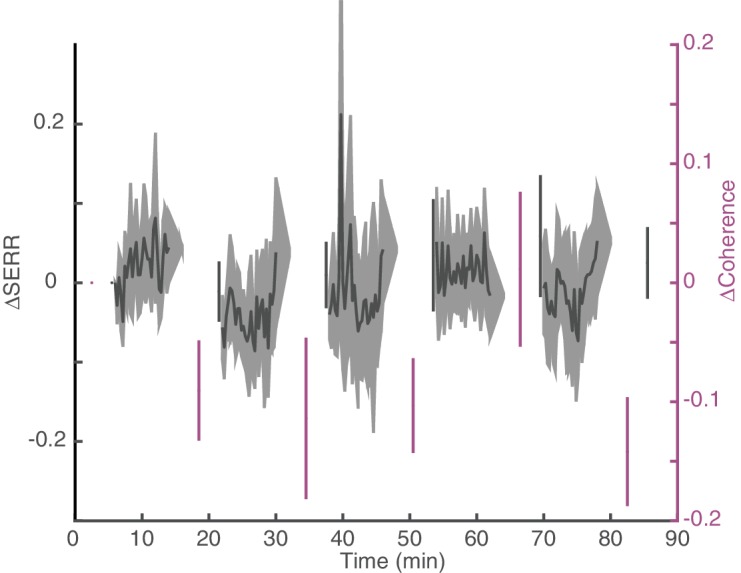
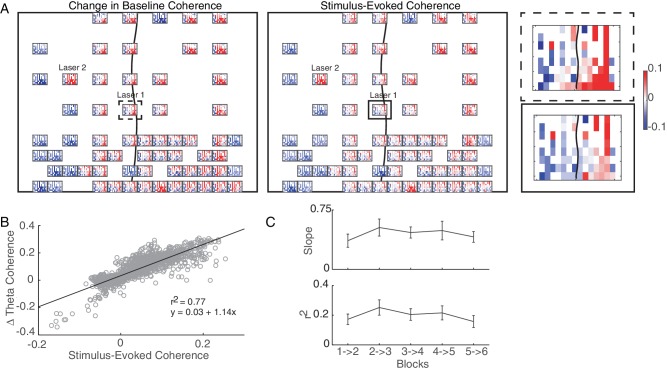
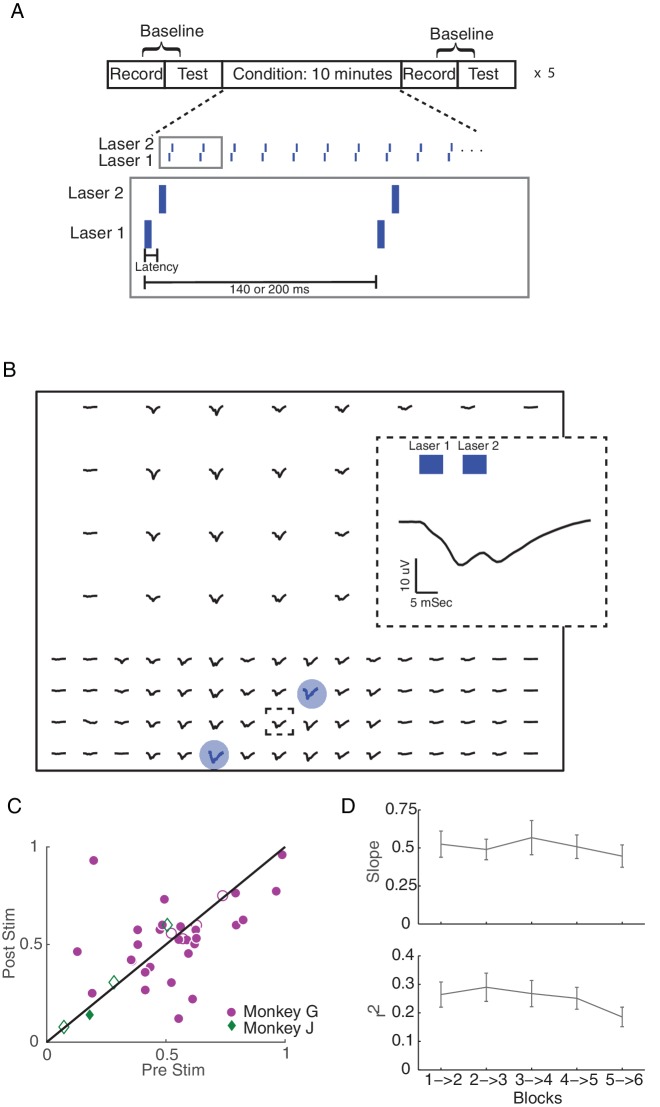
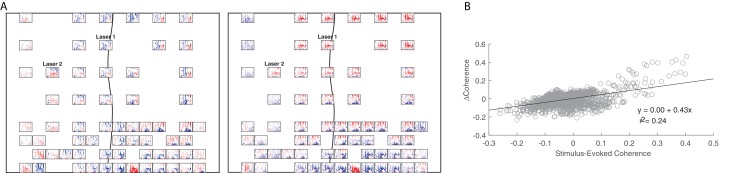
Brain stimulation modulates the excitability of neural circuits and drives neuroplasticity. While the local effects of stimulation have been an active area of investigation, the effects on large-scale networks remain largely unexplored. We studied stimulation-induced changes in network dynamics in two macaques. A large-scale optogenetic interface enabled simultaneous stimulation of excitatory neurons and electrocorticographic recording across primary somatosensory (S1) and motor (M1) cortex (Yazdan-Shahmorad et al., 2016). We tracked two measures of network connectivity, the network response to focal stimulation and the baseline coherence between pairs of electrodes; these were strongly correlated before stimulation. Within minutes, stimulation in S1 or M1 significantly strengthened the gross functional connectivity between these areas. At a finer scale, stimulation led to heterogeneous connectivity changes across the network. These changes reflected the correlations introduced by stimulation-evoked activity, consistent with Hebbian plasticity models. This work extends Hebbian plasticity models to large-scale circuits, with significant implications for stimulation-based neurorehabilitation.
脑刺激调节神经回路的兴奋性并驱动神经可塑性。虽然刺激的局部效应一直是一个活跃的研究领域,但对大规模网络的影响在很大程度上仍未得到探索。我们在两只猕猴中研究了刺激诱导的网络动力学变化。一个大规模的光遗传学接口使我们能够在初级体感(S1)和运动(M1)皮层中同时刺激兴奋性神经元并进行皮层电图记录(Yazdan-Shahmorad 等人,2016 年)。我们跟踪了网络连通性的两个度量指标,即网络对焦点刺激的反应和电极对之间的基线相干性;这些在刺激前是强相关的。在数分钟内,S1 或 M1 的刺激显著增强了这些区域之间的总体功能连通性。在更精细的尺度上,刺激导致网络中出现异质的连通性变化。这些变化反映了由刺激引起的活动引入的相关性,与赫布可塑性模型一致。这项工作将赫布可塑性模型扩展到大规模电路,对基于刺激的神经康复具有重要意义。