Chudyk Anna Maria, Waldman Celeste, Horrill Tara, Demczuk Lisa, Shimmin Carolyn, Stoddard Roger, Hickes Serena, Schultz Annette S H
1Department of Family Medicine, Rady Faculty of Health Sciences, University of Manitoba, 454-6 - 753 McDermot Avenue, Winnipeg, MB R3E0T6 Canada.
2College of Nursing, Rady Faculty of Health Sciences, University of Manitoba, 89 Curry Place, Winnipeg, MB R3T 2N2 Canada.
Res Involv Engagem. 2018 Sep 10;4:28. doi: 10.1186/s40900-018-0111-5. eCollection 2018.
Patient engagement in research is an emerging approach that involves active and meaningful collaboration between researchers and patients throughout all phases of a project, including planning, data collection and analysis, and sharing of findings. To better understand the core features (elements) that underlie patient engagement, it is useful to have a look at models and frameworks that guide its conduct. Therefore, this manuscript aims to present a protocol for a scoping review of models and frameworks of patient engagement in health services research. Methods: Our protocol design is based on an established framework for conducting scoping reviews. We will identify relevant models and frameworks through systematic searches of electronic databases, websites, reference lists of included articles, and correspondence with colleagues and experts. We will include published and unpublished articles that present models and frameworks of patient engagement in health services research and exclude those not in English or unavailable as full texts. Two reviewers will independently review abstracts and full texts of identified articles for inclusion and extract relevant data; a third reviewer will resolve discrepancies. Our primary objective is to count and describe elements of patient engagement that overlap (present in 2 or more) and diverge among included models and frameworks. Discussion: We hope this review will raise awareness of existing models and frameworks of patient engagement in health services research. Further, by identifying elements that overlap and diverge between models and frameworks, this review will contribute to a clearer understanding of what patient engagement in research and/or .
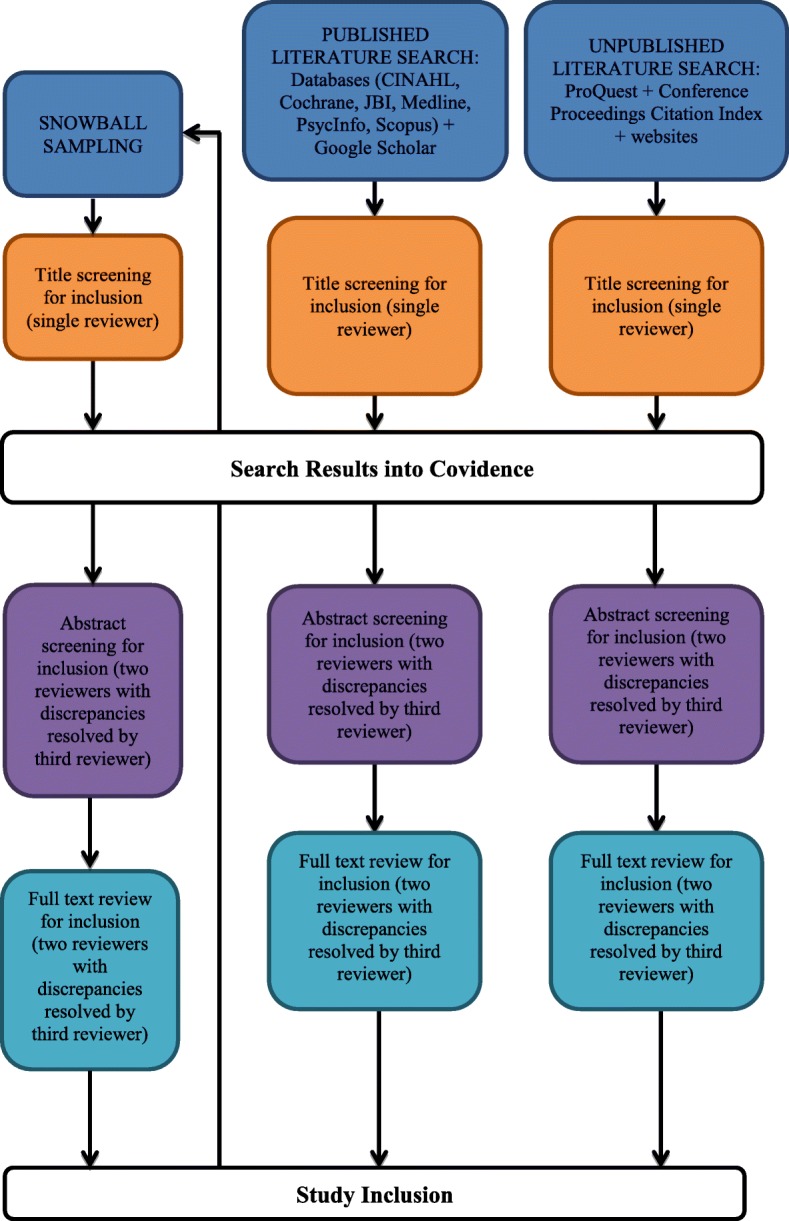
Background: Patients can bring an expert voice to healthcare research through their lived experience of receiving healthcare services. Patient engagement in research is an emerging approach that challenges researchers to acknowledge and utilize this expertise through meaningful and active collaboration with patients throughout the research process. In order to facilitate a clearer understanding of the core elements that underlie patient engagement, it is useful to examine existing models and frameworks that guide its conduct. Therefore, the aim of this manuscript is to present a protocol for a scoping review of models and frameworks of patient engagement in health services research. Methods: Drawing on Arksey and O'Malley's and Levac et al.'s framework for scoping reviews, we designed our protocol to identify relevant a) published articles through systematic searches of 7 electronic databases and snowball sampling and b) unpublished articles through systematic searches of databases and websites and snowball sampling. We will include published and unpublished models and frameworks of patient engagement in health services research and exclude those not in English or unavailable as full texts. Two reviewers will independently screen the abstracts and full texts of identified articles for inclusion and extract relevant data; a third reviewer will resolve disagreements. We will conduct a descriptive analysis of the characteristics (i.e., elements underlying patient engagement and those related to the study authors, publication, and model/framework) of included articles and a narrative analysis of the data concerning elements of the model or framework. Our primary objective is to count and describe elements of patient engagement that overlap (present in ≥ 2) and diverge (present in < 2) among identified models and frameworks. Discussion: Through identification of elements that overlap and diverge between existing models and frameworks, this review will provide a starting point for the critical reflection on our collective understanding of what patient engagement in health services research and/or . Ultimately, we hope that the findings of this review raise awareness of existing models and frameworks and shed light on some of the complexity of conducting patient engaged research through identification of key elements that shape this approach.
患者参与研究是一种新兴方法,涉及研究人员与患者在项目的所有阶段(包括规划、数据收集与分析以及研究结果共享)进行积极且有意义的合作。为了更好地理解患者参与背后的核心特征(要素),查看指导其实施的模型和框架会有所帮助。因此,本手稿旨在提出一项关于卫生服务研究中患者参与模型和框架的范围综述方案。方法:我们的方案设计基于开展范围综述的既定框架。我们将通过系统检索电子数据库、网站、纳入文章的参考文献列表以及与同事和专家通信来识别相关模型和框架。我们将纳入已发表和未发表的介绍卫生服务研究中患者参与模型和框架的文章,并排除非英文或无法获取全文的文章。两名评审员将独立评审已识别文章的摘要和全文以确定是否纳入,并提取相关数据;第三名评审员将解决分歧。我们的主要目标是统计并描述纳入的模型和框架中重叠(存在于两个或更多模型和框架中)和不同的患者参与要素。讨论:我们希望本次综述能提高对卫生服务研究中现有患者参与模型和框架的认识。此外,通过识别模型和框架之间重叠和不同的要素,本次综述将有助于更清晰地理解研究中的患者参与以及/或者……
背景:患者可以通过其接受医疗服务的亲身经历为医疗保健研究带来专业见解。患者参与研究是一种新兴方法,它促使研究人员在整个研究过程中通过与患者进行有意义且积极的合作来认可并利用这种专业知识。为了便于更清晰地理解患者参与背后的核心要素,审视指导其实施的现有模型和框架是有帮助的。因此,本手稿的目的是提出一项关于卫生服务研究中患者参与模型和框架的范围综述方案。方法:借鉴阿克西和奥马利以及莱瓦克等人的范围综述框架,我们设计了方案以识别相关的:a)通过系统检索7个电子数据库和滚雪球抽样来获取已发表文章;b)通过系统检索数据库和网站以及滚雪球抽样来获取未发表文章。我们将纳入已发表和未发表的卫生服务研究中患者参与的模型和框架,并排除非英文或无法获取全文的文章。两名评审员将独立筛选已识别文章的摘要和全文以确定是否纳入,并提取相关数据;第三名评审员将解决分歧。我们将对纳入文章的特征(即患者参与背后的要素以及与研究作者、出版物和模型/框架相关的要素)进行描述性分析,并对与模型或框架要素相关的数据进行叙述性分析。我们的主要目标是统计并描述在已识别的模型和框架中重叠(存在于≥2个模型和框架中)和不同(存在于<2个模型和框架中)的患者参与要素。讨论:通过识别现有模型和框架之间重叠和不同的要素,本次综述将为批判性反思我们对卫生服务研究中患者参与以及/或者……的集体理解提供一个起点。最终,我们希望本次综述的结果能提高对现有模型和框架的认识,并通过识别塑造这种方法的关键要素来揭示开展患者参与研究的一些复杂性。