Department of Population Medicine, Ontario Veterinary College, University of Guelph, Guelph, Ontario, N1G 2W1, Canada.
BMC Public Health. 2018 Oct 4;18(1):1096. doi: 10.1186/s12889-018-5994-4.
Many jurisdictions have enacted indoor tanning legislation in response to the health risks of artificial ultraviolet (UV) radiation exposure. Key components of these legislations include banning minors' access, requiring parental consent or accompaniment, providing protective eyewear, posting health warning signs, and communicating important health risk information. However, legislation must be complied with to be impactful. Evidence around compliance with indoor tanning legislations has not been synthesized and is an important step toward determining changes in practice due to legislation.
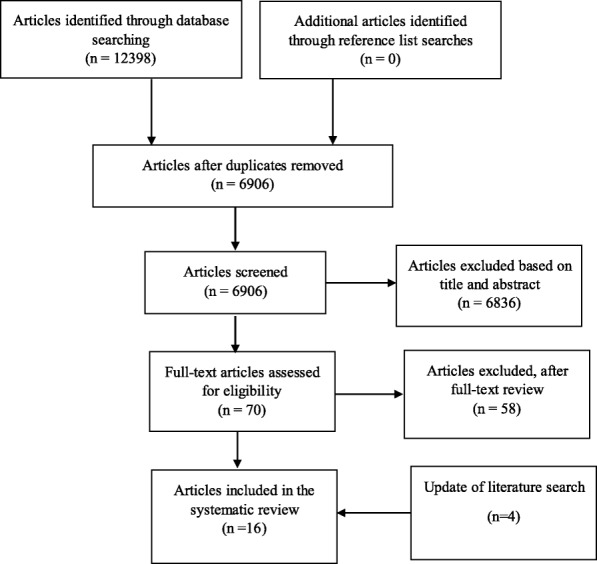
A systematic review was conducted to obtain peer-reviewed literature about compliance with indoor tanning legislation worldwide. Six databases were searched, resulting in 12,398 citations. Sixteen studies met the inclusion criteria (peer-reviewed scientific studies, published in English, focused primarily on compliance with indoor tanning legislations, and focused on commercial indoor tanning in indoor tanning facilities).
Compliance with most aspects of indoor tanning legislation varied widely. There was good compliance for provision of protective eyewear (84 to 100%; mean = 92%; SD = 8). Compliance with age restrictions ranged from 0 to 100% (mean = 65%; SD = 25), while compliance with posting warning labels in the required locations within a tanning facility ranged from 8 to 72% (mean = 44%; SD = 27). Variation in compliance may be due to true differences, study methodology, or temporal trends.
Variability in compliance with indoor tanning legislation, as found in this systematic review, indicates the legislations may not be having their intended protective effects on the public's health. The reasons for such low and varied compliance with certain aspects of legislation, and high compliance with other aspects of legislation, deserve further attention in future research to inform best practices around ensuring high and consistent compliance with indoor tanning legislations worldwide.
许多司法管辖区已颁布室内晒黑立法,以应对人工紫外线(UV)辐射暴露的健康风险。这些法规的主要内容包括禁止未成年人进入、要求父母同意或陪同、提供防护眼罩、张贴健康警告标志,并传达重要的健康风险信息。然而,法规必须得到遵守才能产生影响。关于遵守室内晒黑法规的证据尚未综合,这是确定由于法规而导致实践变化的重要步骤。
进行了系统审查,以获取有关全球范围内遵守室内晒黑法规的同行评议文献。共搜索了六个数据库,得到了 12398 条引用。符合纳入标准的有 16 项研究(同行评议的科学研究,以英文发表,主要侧重于遵守室内晒黑法规,并且侧重于商业室内晒黑设施中的室内晒黑)。
大多数方面的室内晒黑法规遵守情况差异很大。提供防护眼罩的情况遵守得很好(84%至 100%;平均值=92%;标准差=8)。年龄限制的遵守率从 0 到 100%(平均值=65%;标准差=25),而在晒黑设施中要求的位置张贴警告标签的遵守率从 8%到 72%(平均值=44%;标准差=27)。遵守情况的差异可能是由于真实差异、研究方法或时间趋势。
本系统评价中发现的室内晒黑法规遵守情况的可变性表明,这些法规可能无法对公众健康产生预期的保护效果。对某些法规方面的遵守率如此之低且差异很大,而对其他法规方面的遵守率却很高的原因,值得在未来的研究中进一步关注,以便为全球范围内确保室内晒黑法规的高度和一致性遵守提供最佳实践。