Department of Mechanical and Industrial Engineering, Qatar University, Doha, Qatar,
School of Life Sciences, Independent University, Bangladesh (IUB), Dhaka, Bangladesh.
Int J Nanomedicine. 2018 Sep 24;13:5637-5655. doi: 10.2147/IJN.S153758. eCollection 2018.
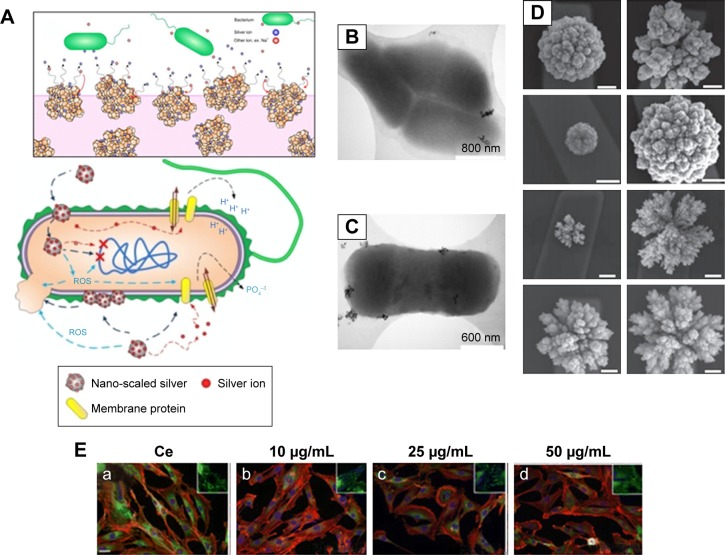
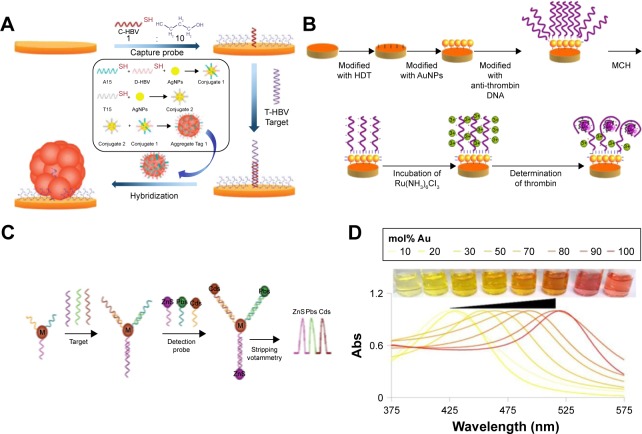
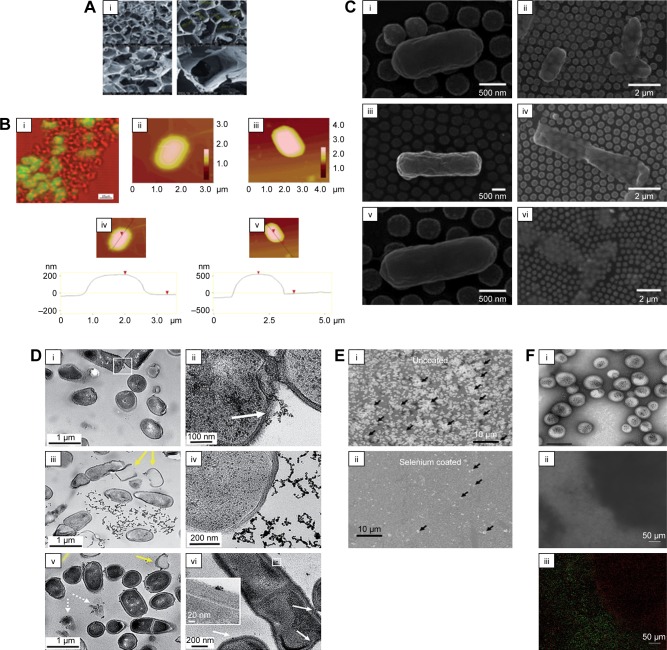
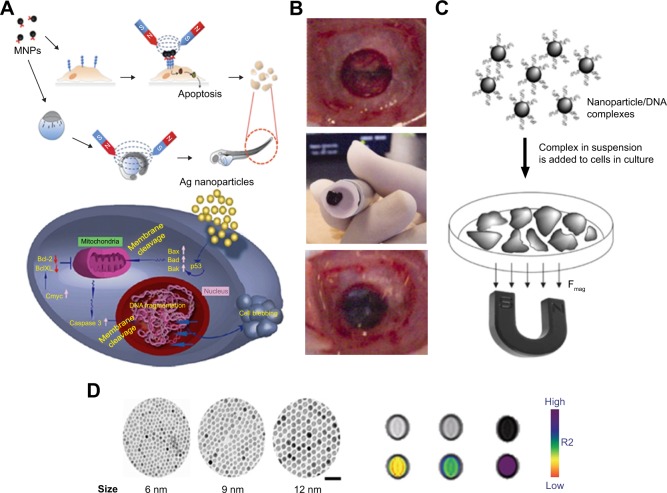
Tissue engineering (TE) is an interdisciplinary field integrating engineering, material science and medical biology that aims to develop biological substitutes to repair, replace, retain, or enhance tissue and organ-level functions. Current TE methods face obstacles including a lack of appropriate biomaterials, ineffective cell growth and a lack of techniques for capturing appropriate physiological architectures as well as unstable and insufficient production of growth factors to stimulate cell communication and proper response. In addition, the inability to control cellular functions and their various properties (biological, mechanical, electrochemical and others) and issues of biomolecular detection and biosensors, all add to the current limitations in this field. Nanoparticles are at the forefront of nanotechnology and their distinctive size-dependent properties have shown promise in overcoming many of the obstacles faced by TE today. Despite tremendous progress in the use of nanoparticles over the last 2 decades, the full potential of the applications of nanoparticles in solving TE problems has yet to be realized. This review presents an overview of the diverse applications of various types of nanoparticles in TE applications and challenges that need to be overcome for nanotechnology to reach its full potential.
组织工程(TE)是一个跨学科领域,融合了工程学、材料科学和医学生物学,旨在开发生物替代品来修复、替代、保留或增强组织和器官水平的功能。目前的 TE 方法面临着许多障碍,包括缺乏合适的生物材料、细胞生长效果不佳以及缺乏获取适当生理结构的技术,同时还存在生长因子的产量不稳定且不足,无法刺激细胞通讯和适当的反应。此外,无法控制细胞功能及其各种特性(生物、机械、电化学等)以及生物分子检测和生物传感器的问题,这些都加剧了该领域目前的局限性。纳米颗粒处于纳米技术的前沿,其独特的尺寸依赖性特性在克服 TE 目前面临的许多障碍方面显示出了巨大的潜力。尽管在过去的 20 年中,纳米颗粒的应用取得了巨大的进展,但纳米技术要充分发挥其应用潜力,仍需克服许多挑战。本综述介绍了各种类型的纳米颗粒在 TE 应用中的多种应用以及需要克服的挑战,以实现纳米技术的全部潜力。