Department of Clinical Neuroscience, Centre for Psychiatry Research, Karolinska Institutet, Stockholm, Sweden.
Stockholm Health Care Services, Stockholm County Council, Stockholm, Sweden.
Alcohol Clin Exp Res. 2019 Jan;43(1):135-146. doi: 10.1111/acer.13910. Epub 2018 Nov 21.
Alcohol use disorder (AUD) is associated with cognitive deficits such as impaired executive functions, which are hypothesized to contribute to the progression of the disease and worsen treatment outcome. Training of working memory (WM) to improve cognitive functions and thereby reduce alcohol use has been proposed as a novel treatment strategy.
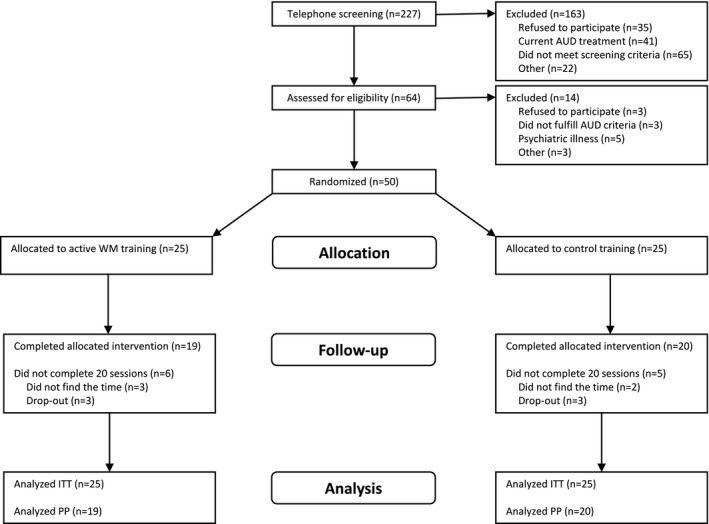
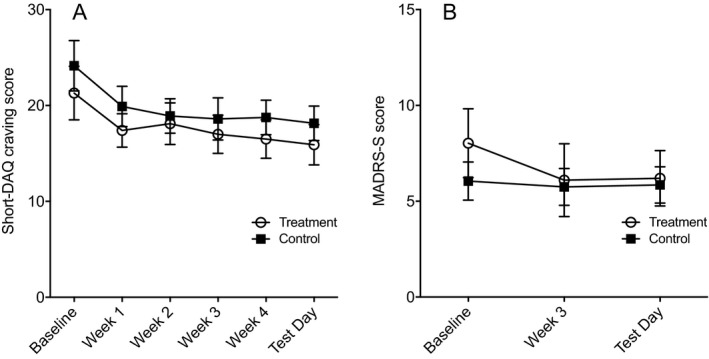
Patients with AUD (n = 50) who were recruited to an outpatient addiction clinic were randomized to receive 5 weeks of active WM training or control training. Participants had weekly follow-up visits, and all cognitive training sessions were done online at home. Primary outcomes were WM function and change in self-reported heavy drinking. Secondary outcomes were craving, other drinking outcomes, and performance on a range of neuropsychological tasks from the Cambridge Neuropsychological Test Automated Battery.
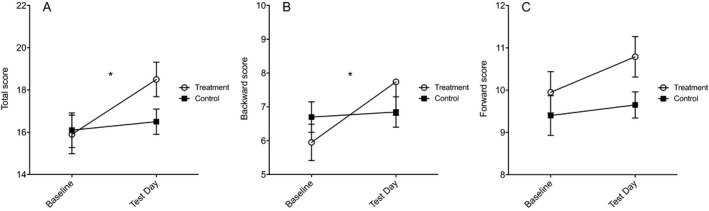
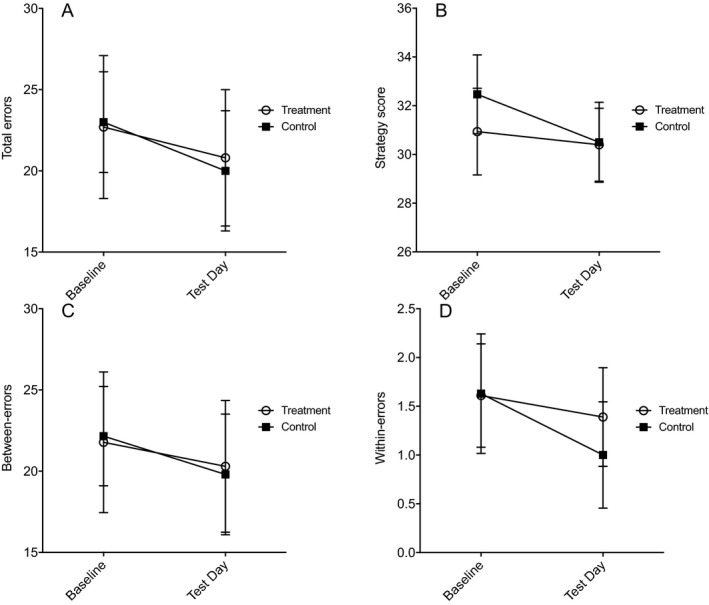
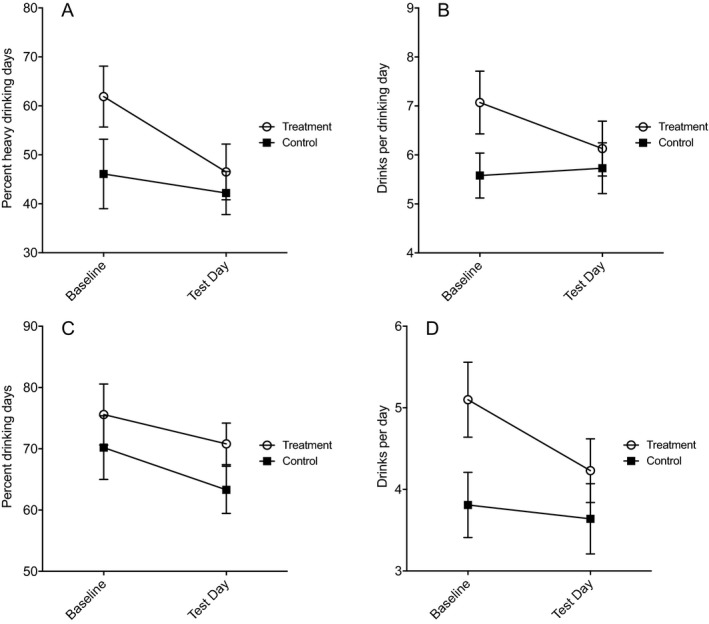
The active training group demonstrated a significantly greater improvement in verbal WM compared with the control group. No statistically significant effect of training was found on the primary drinking outcome, but a trend was observed indicating that WM training reduces the number of drinks per drinking occasion. WM training had no statistically significant effect on any of the other neuropsychological tasks.
Cognitive training can improve WM function in individuals with AUD, suggesting that such interventions are feasible to administer in this patient population. The results do not support an effect of WM training on heavy drinking or transfer effects to other cognitive domains. Future studies should evaluate WM training as an adjunct to evidence-based treatments for AUD to assess potential synergistic effects.
酒精使用障碍(AUD)与认知缺陷有关,例如执行功能受损,这些缺陷被认为是导致疾病进展和治疗效果恶化的原因。通过训练工作记忆(WM)来改善认知功能,从而减少饮酒量,已被提议作为一种新的治疗策略。
招募了 50 名门诊成瘾诊所的 AUD 患者,将其随机分配接受 5 周的主动 WM 训练或对照训练。参与者每周进行随访,所有认知训练课程都在家中在线进行。主要结局是 WM 功能和自我报告的重度饮酒量的变化。次要结局是渴望、其他饮酒结果以及剑桥神经心理学测试自动电池中一系列神经心理学任务的表现。
与对照组相比,主动训练组在言语 WM 方面的改善明显更大。训练对主要饮酒结果没有统计学上的显著影响,但观察到一种趋势表明 WM 训练减少了每次饮酒的饮酒量。WM 训练对任何其他神经心理学任务均无统计学上的显著影响。
认知训练可以改善 AUD 患者的 WM 功能,这表明此类干预措施在该患者人群中是可行的。结果不支持 WM 训练对重度饮酒或对其他认知领域的转移效应的影响。未来的研究应评估 WM 训练作为 AUD 循证治疗的辅助手段,以评估潜在的协同效应。