Department of Pharmacognosy, Lithuanian University of Health Sciences, Sukileliu av. 13, LT-50162 Kaunas, Lithuania.
Laboratory of Biopharmaceutical Research, Institute of Pharmaceutical Technologies, Lithuanian University of Health Sciences, Sukileliu av. 13, LT-50162 Kaunas, Lithuania.
Molecules. 2019 Feb 27;24(5):844. doi: 10.3390/molecules24050844.
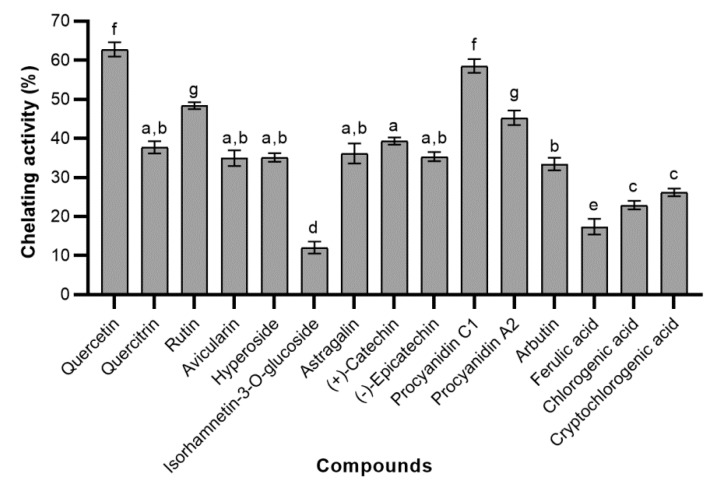
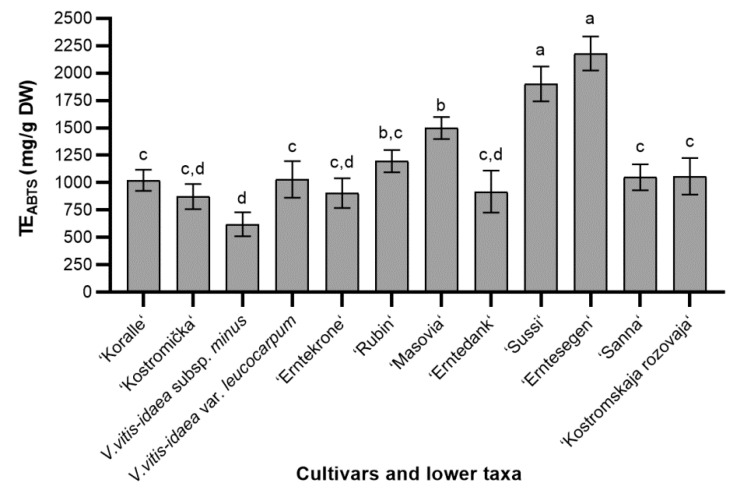
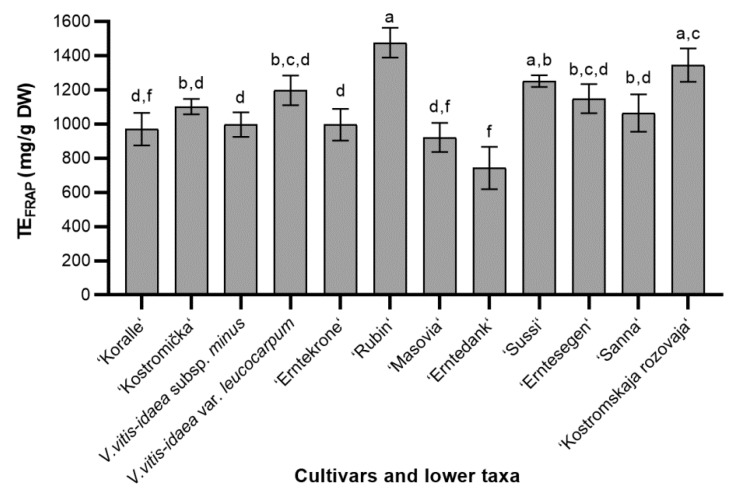
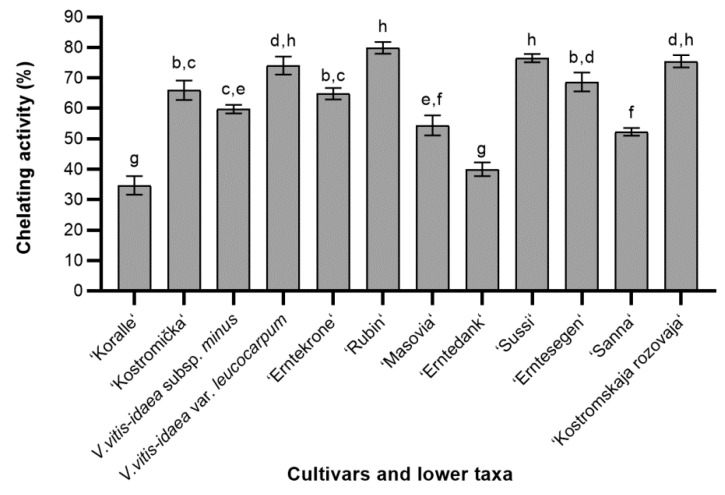
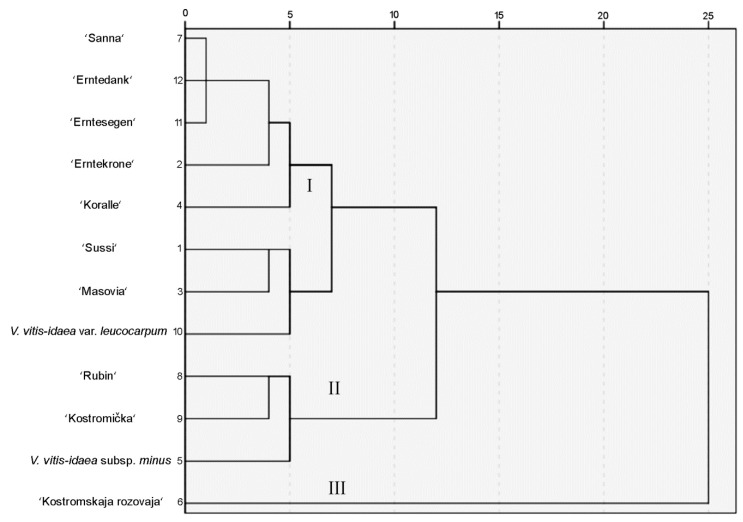
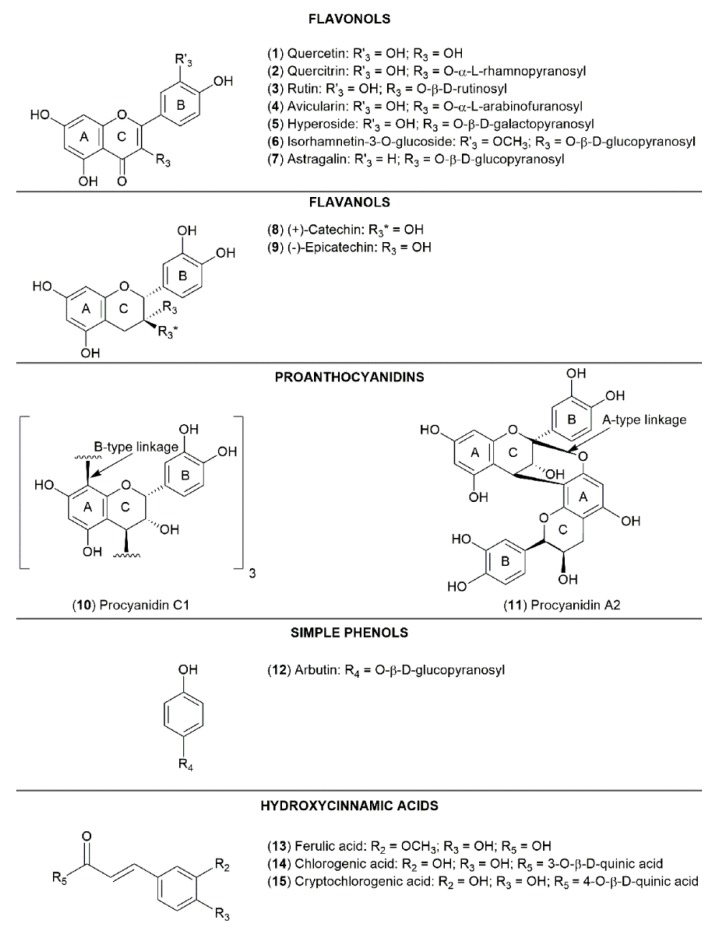
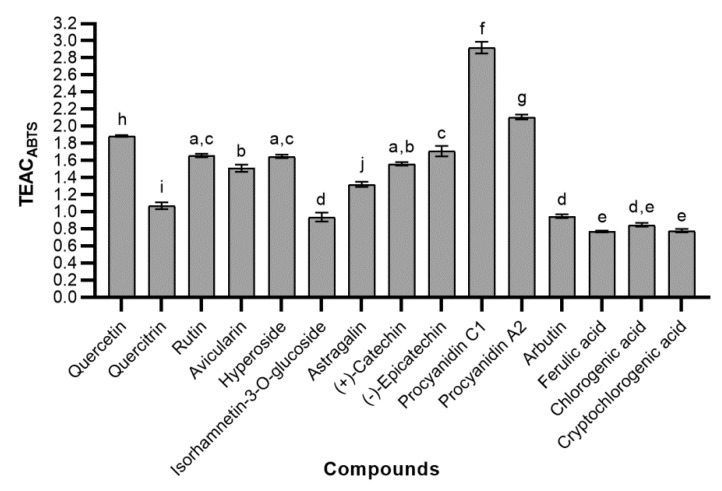
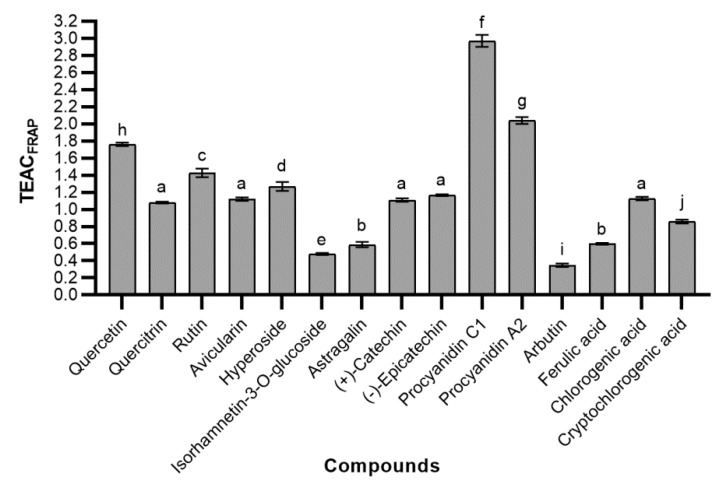
Lingonberry leaves are the subject of numerous studies because of antioxidant properties, positive influence on the health and potential use in the prevention and treatment of chronic diseases. In this work, the radical scavenging, reducing, chelating activities, and phenolic composition of ten lingonberry leaves cultivars, one subspecies, and one variety were investigated. Furthermore, the antioxidant activity of individual phenolic compounds, that can be found in lingonberry leaves, were analyzed, and structure-activity relationship was determined. Wide diversity for phenolic profile and antioxidant properties of lingonberry leaves has been observed in the present material. Cultivars 'Kostromskaja rozovaja', 'Rubin', and var. surpassed all others tested cultivars and lower taxa by contents of phenolic compounds and antioxidant activity. Leaves of lingonberry cultivars and lower taxa are rich in arbutin, flavonol glycosides, proanthocyanidins, and the latter were considered to be the major contributor to antioxidant properties of lingonberry leaves.
蔓越莓叶因其抗氧化特性、对健康的积极影响以及在慢性病的预防和治疗中的潜在用途而成为众多研究的主题。在这项工作中,研究了十种蔓越莓叶品种、一个亚种和一个变种的自由基清除、还原、螯合活性和酚类成分。此外,还分析了可在蔓越莓叶中找到的个别酚类化合物的抗氧化活性,并确定了结构-活性关系。本材料中观察到蔓越莓叶的酚类成分和抗氧化特性具有广泛的多样性。在测试的品种和较低分类群中,品种“Kostromskaja rozovaja”、“Rubin”和变种“ ”的酚类化合物含量和抗氧化活性均优于其他品种。蔓越莓品种和较低分类群的叶子富含熊果苷、黄酮醇糖苷、原花青素,后者被认为是蔓越莓叶抗氧化特性的主要贡献者。