Department of Food Science and Human Nutrition, Colorado State University, Fort Collins, CO.
Department of Pediatrics, University of Colorado Anschutz Medical Campus, Aurora, CO.
J Nutr Educ Behav. 2019 May;51(5):547-555.e1. doi: 10.1016/j.jneb.2019.01.020. Epub 2019 Feb 28.
To explore the feasibility of using an image-based food photography methodology (Remote Food Photography Method) in a rural, low-resource audience and use the photos to examine the context of family dinner.
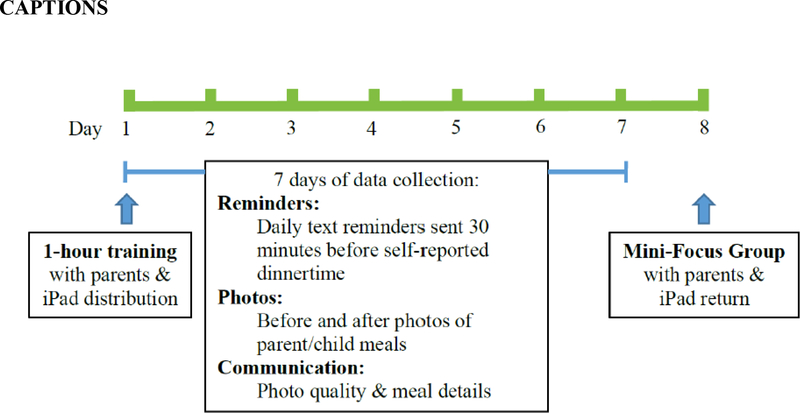
Parents used the SmartIntake app on study-issued tablets to take before and after photos of their and their child's dinner for about 7 nights and participated in a mini-focus group to discuss their experience with the Remote Food Photography Method.
Six Head Start/preschool centers in rural Colorado.
Mother-child dyads (n = 31).
Number and quality of photos received, participant feedback, meal timing, concordance, location, preparation, and quality.
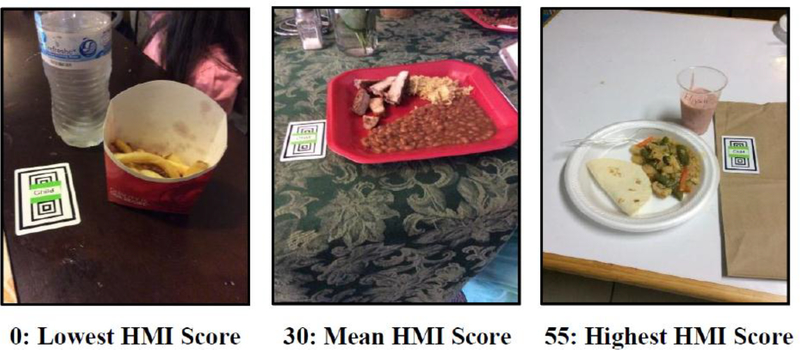
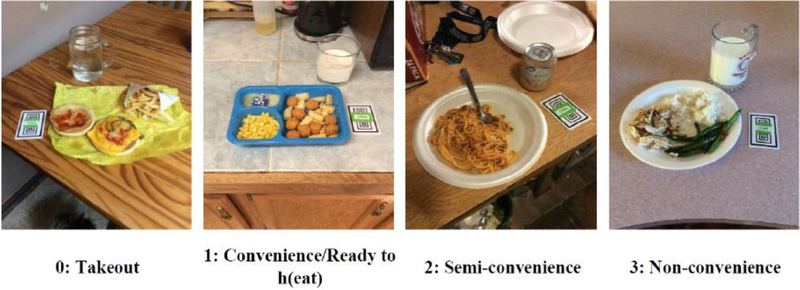
The researchers assessed feasibility via practicality (percent photos received) and acceptability (general inductive approach used to analyze mini-focus group transcripts for participant feedback); time stamps, meal quality, and food preparation scales were used to analyze dinner photos.
The majority of photographs (738 of 864) were received. Participants reacted favorably to the methodology; for some, it led to greater self-reflection about mealtime. Mother-child dyads usually ate dinner at the same time and often ate the same food. Children were frequently served protein and refined grains and were rarely served whole grains or fruit. Many families relied on convenience foods.
Digital food photography was feasible in this audience. Photos yielded a holistic picture of family dinnertime: meal timing, location, concordance in parent-child meals, level of preparation, and meal quality.
探索在农村、资源匮乏的受众中使用基于图像的食物摄影方法(远程食物摄影方法)的可行性,并利用这些照片来考察家庭晚餐的背景。
父母使用研究发放的平板电脑上的 SmartIntake 应用程序,在大约 7 个晚上拍摄他们和孩子晚餐前后的照片,并参加小型焦点小组讨论他们对远程食物摄影方法的体验。
科罗拉多州 6 个 Head Start/学前中心。
母子二人组(n=31)。
收到的照片数量和质量、参与者反馈、用餐时间、一致性、地点、准备和质量。
研究人员通过实用性(收到照片的百分比)和可接受性(使用一般归纳方法分析小型焦点小组的记录以获取参与者的反馈)来评估可行性;使用时间戳、膳食质量和食物准备量表来分析晚餐照片。
收到了大部分照片(864 张中的 738 张)。参与者对该方法反应良好;对一些人来说,这导致他们对用餐时间进行了更多的自我反思。母子二人组通常在同一时间吃晚餐,而且经常吃同样的食物。孩子们经常被提供蛋白质和精制谷物,很少被提供全谷物或水果。许多家庭依赖方便食品。
数字食物摄影在该受众中是可行的。照片全面展示了家庭用餐时间:用餐时间、地点、父母和孩子用餐的一致性、准备程度和膳食质量。