Mekonnen Awol, Tesfaye Solomon, Christos Selam G, Dires Kassahun, Zenebe Tizazu, Zegeye Nigus, Shiferaw Yoseph, Lulekal Ermias
College of Medicine, Institute of Health Science and Medicine, Debre-Berhan Universty, P.O. Box 445, Debre-Berhan, Ethiopia.
School of Medicine, Institute of Health Science and Medicine, Jijiga University, P.O. Box, 1020, Jijiga, Ethiopia.
J Toxicol. 2019 Jan 27;2019:5979546. doi: 10.1155/2019/5979546. eCollection 2019.
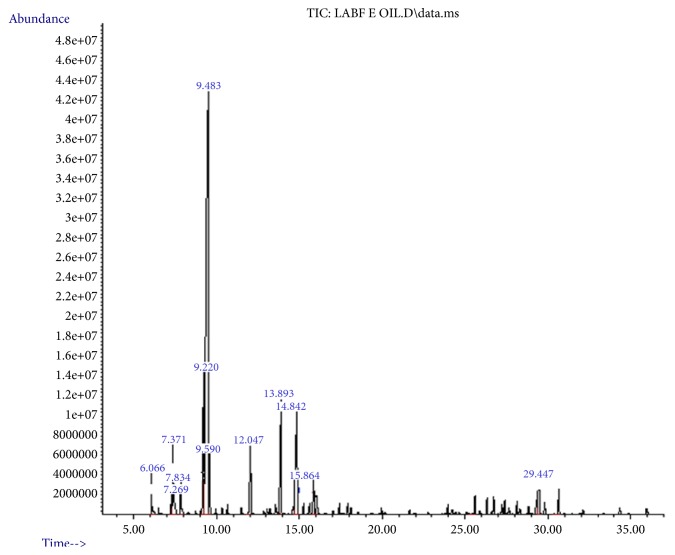
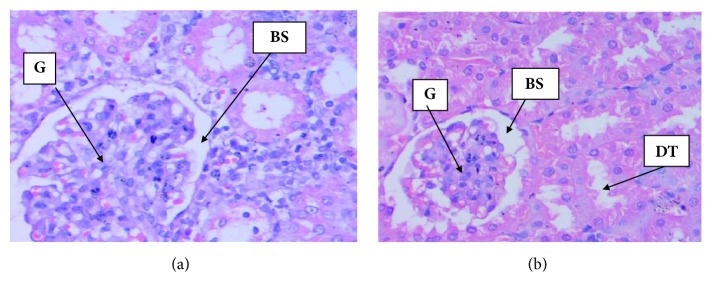
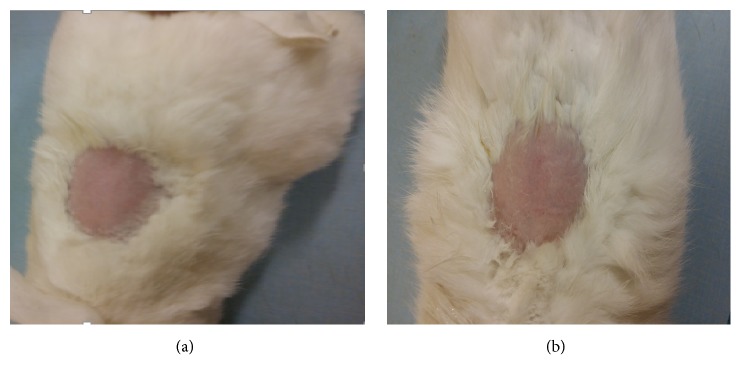
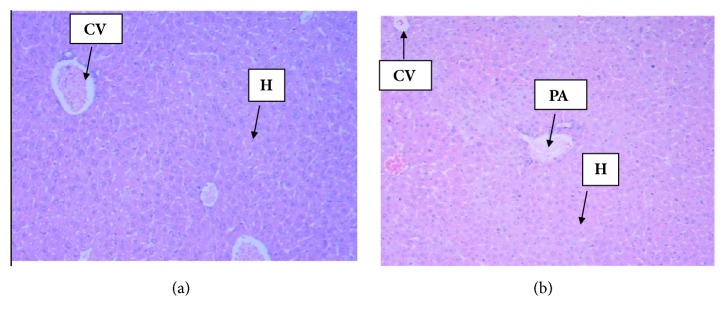
is used in traditional and folk medicines of Ankober District, North Central Ethiopia, for the treatment of several livestock and human disorders. This toxicity study aimed to investigate essential oil oral toxicity in mice and skin irritation in rabbit. essential oil was analyzed using gas chromatography-mass spectrometry methods and showed predominance of Eucalyptol (52.36%), Camphor (11.91%), gamma-terpinene (8.775%) and endoborneol (7.585%). Limit test at 2000 mg/kg dose was used for essential oil acute toxicity test and revealed LD value was higher than 2000 mg/kg. For subacute toxicity study 2000mg/kg was given orally to each mouse for 21 days. The result demonstrated no significant changes (p > 0.05) in the body weights, and biochemical parameters, gross abnormalities, water, and food intake were observed. No macroscopic changes were seen in the histopathology analysis of kidneys and livers. For skin irritation test shaved rabbit skin was treated with 10% ointment formulation. Ointment of oil did not affect mice skin. Generally, this toxicity study demonstrated that essential oil is nontoxic.
在埃塞俄比亚中北部安科伯区的传统和民间药物中,它被用于治疗多种家畜和人类疾病。这项毒性研究旨在调查该精油对小鼠的口服毒性以及对兔子的皮肤刺激性。使用气相色谱 - 质谱法对该精油进行分析,结果显示桉叶油素(52.36%)、樟脑(11.91%)、γ - 萜品烯(8.775%)和内龙脑(7.585%)占主导地位。在2000mg/kg剂量下进行的限量试验用于该精油的急性毒性测试,结果显示LD值高于2000mg/kg。在亚急性毒性研究中,每只小鼠口服2000mg/kg,持续21天。结果表明,体重、生化参数、大体异常、水和食物摄入量均无显著变化(p>0.05)。在肾脏和肝脏的组织病理学分析中未观察到宏观变化。在皮肤刺激性试验中,用10%的软膏制剂处理剃毛后的兔子皮肤。该精油软膏对小鼠皮肤无影响。总体而言,这项毒性研究表明该精油无毒。