Marenzi Gaetano, Impero Filomena, Scherillo Fabio, Sammartino Josè Camilla, Squillace Antonino, Spagnuolo Gianrico
Department of Neurosciences, Reproductive and Odontostomatological Sciences, University of Naples "Federico II", Via Pansini 5, 80131 Naples, Italy.
Department of Chemical, Materials and Industrial Production Engineering, University of Naples "Federico II", P.le Tecchio 80, 80125 Napoli, Italy.
Materials (Basel). 2019 Mar 4;12(5):733. doi: 10.3390/ma12050733.
Titanium dental implants are today widely used with osseointegration mainly dependently on the implant surface properties. Different processing routes lead to different surface characteristics resulting, of course, in different in situ behaviors of the implants.
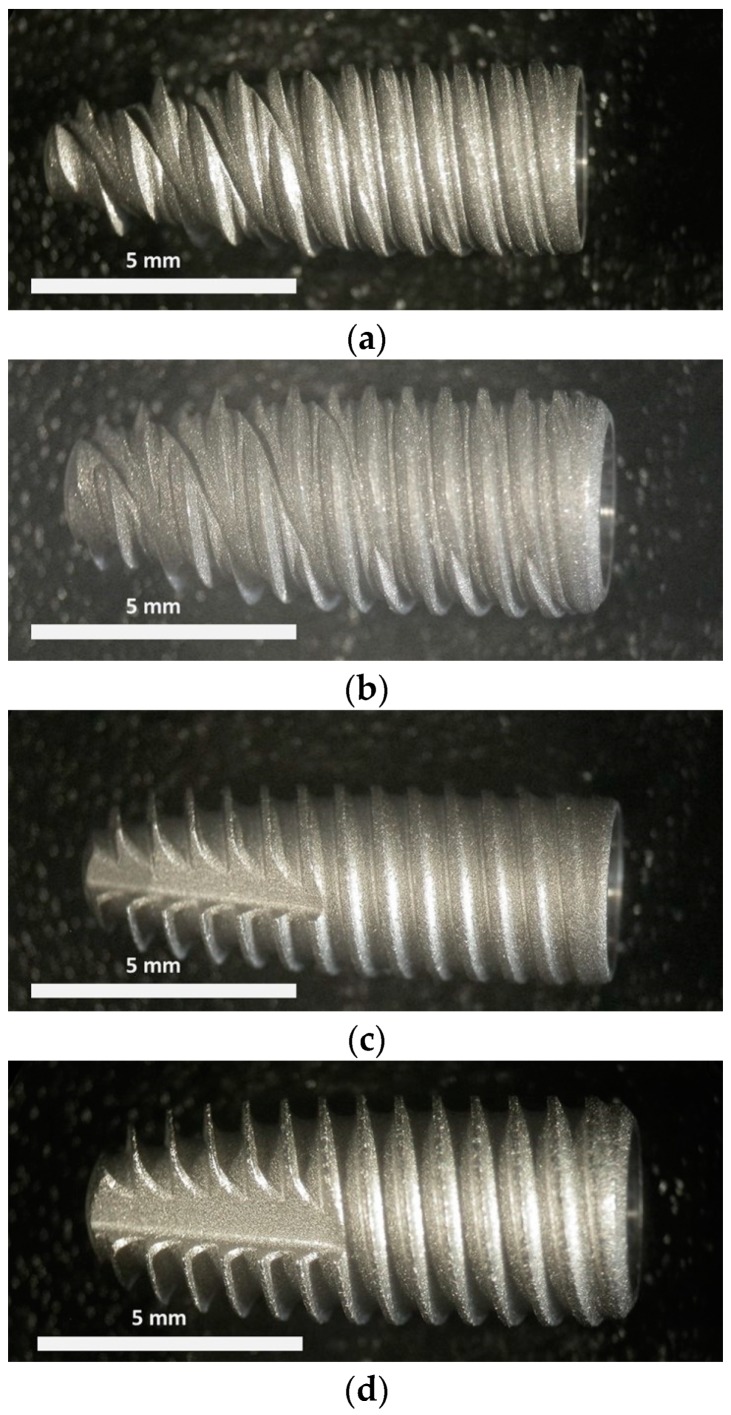
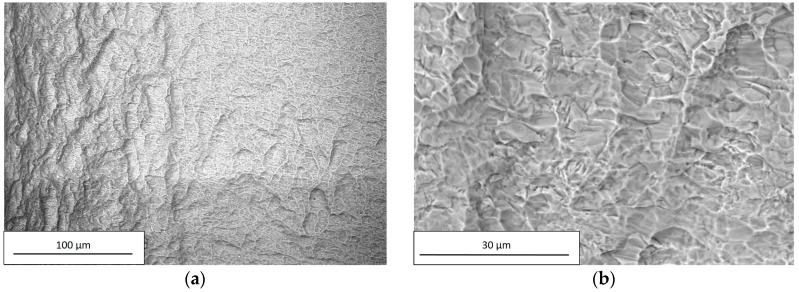
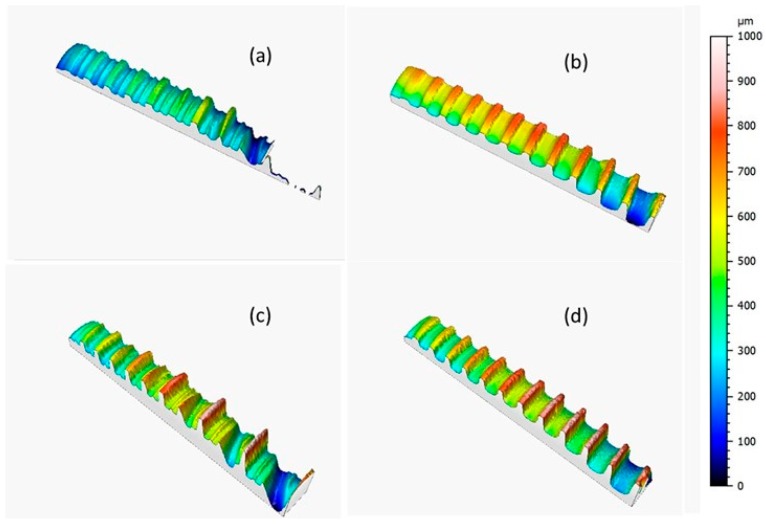
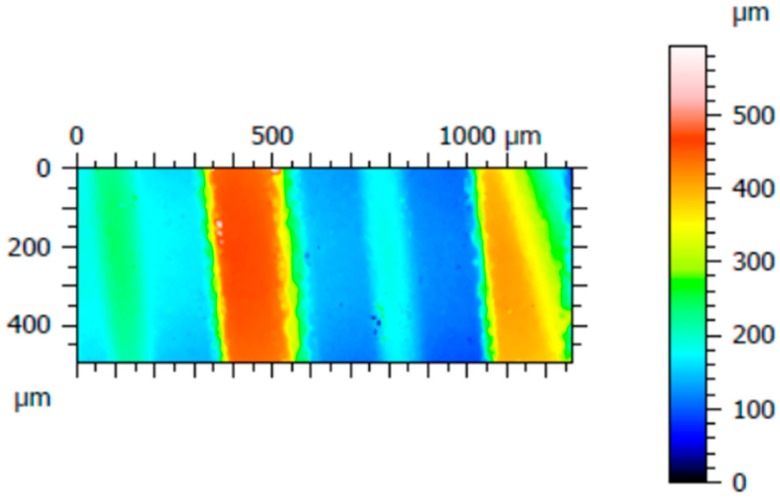
The effect of different treatments, whether mechanical or chemical, on the surface morphology of titanium implants were investigated. To this aim, various experimental methods, including roughness analysis as well scanning electron microscope (SEM) observations, were applied.
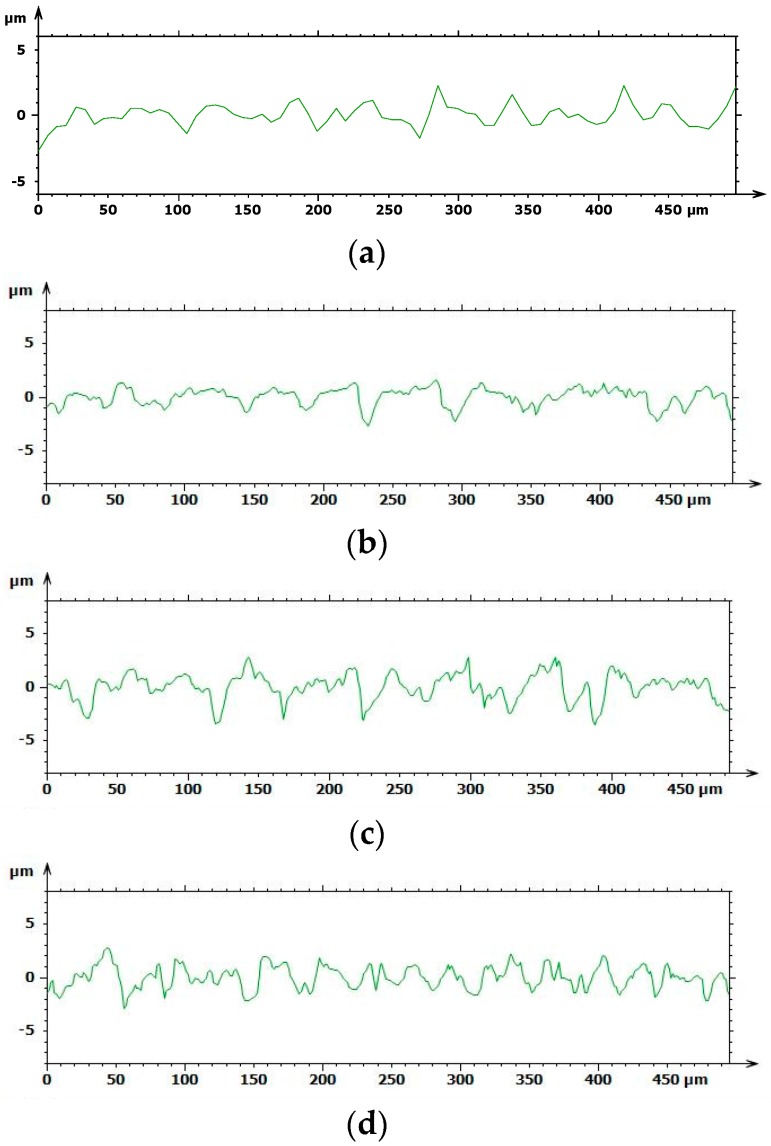
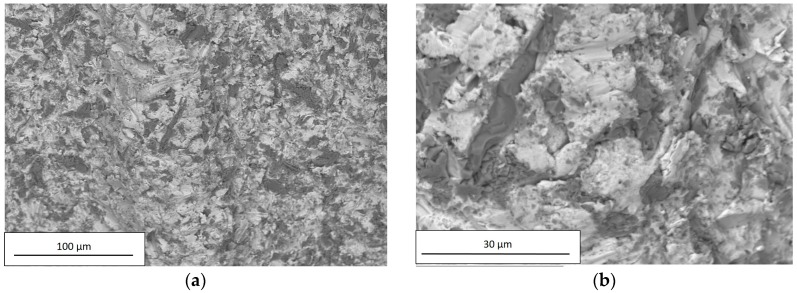
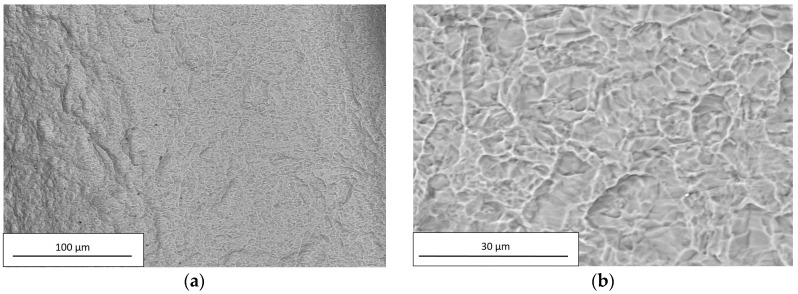
The results showed that, in contrast to the mechanical treatments, the chemical ones gave rise to a more irregular surface. SEM observations suggested that where commercial pure titanium was used, the chemical treatments provided implant surfaces without contaminations. In contrast, sandblasted implants could cause potential risks of surface contamination because of the presence of blasting particles remnants.
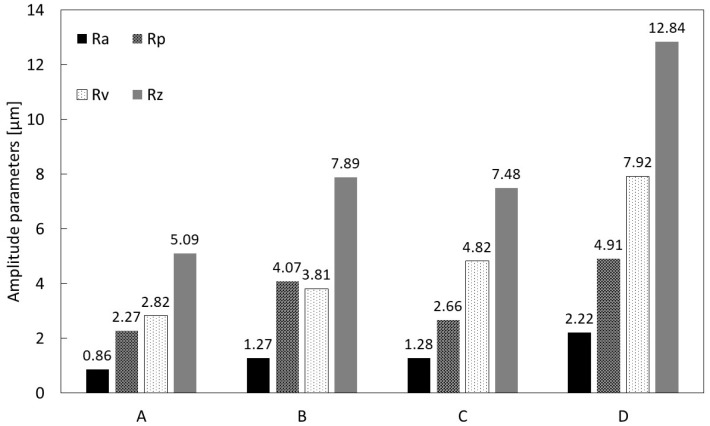
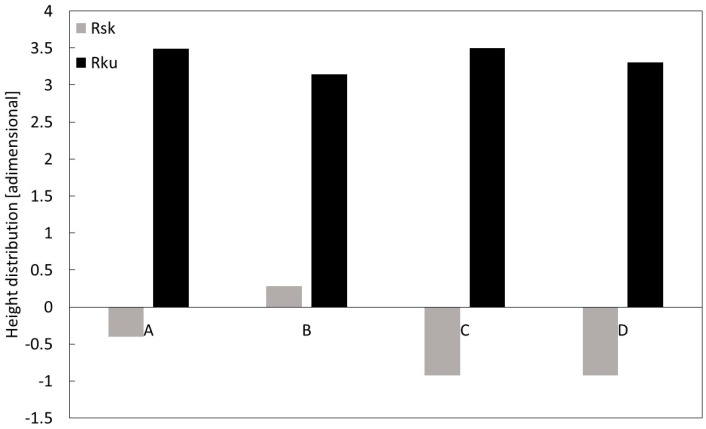
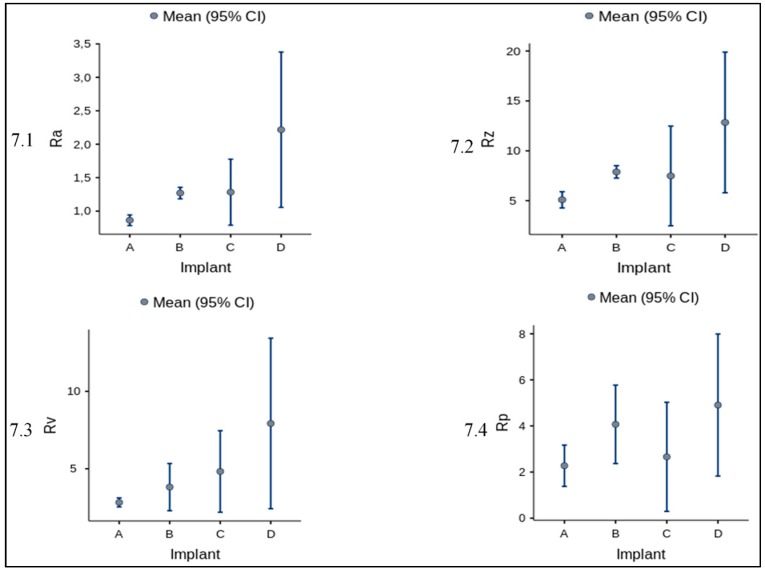
The examined implant surfaces showed different roughness levels in relation to the superficial treatment applied. The acid-etched surfaces were characterized by the presence of deeper valleys and higher peaks than the sandblasted surfaces. For this reason, acid-etched surfaces can be more easily damaged by the stress produced by the peri-implant bone during surgical implant placement.
如今,钛牙种植体被广泛使用,其骨整合主要依赖于种植体表面特性。不同的加工工艺会导致不同的表面特征,当然也会导致种植体在原位的不同行为。
研究了不同处理(机械处理或化学处理)对钛种植体表面形态的影响。为此,应用了各种实验方法,包括粗糙度分析以及扫描电子显微镜(SEM)观察。
结果表明,与机械处理相比,化学处理会使表面更不规则。SEM观察表明,使用商业纯钛时,化学处理可提供无污染的种植体表面。相比之下,喷砂处理的种植体由于存在喷砂颗粒残余物,可能会导致表面污染的潜在风险。
所检查的种植体表面根据所应用的表面处理显示出不同的粗糙度水平。酸蚀表面的特征是比喷砂表面存在更深的凹谷和更高的峰值。因此,在手术植入种植体时,酸蚀表面更容易受到种植体周围骨产生的应力的损伤。