Pasto Anna, Giordano Federica, Evangelopoulos Michael, Amadori Alberto, Tasciotti Ennio
Veneto Institute of Oncology-IRCCS, Padua, Italy.
Center for Biomimetic Medicine, Houston Methodist Research Institute, 6670 Bertner Ave, Houston, TX, 77030, USA.
Clin Transl Med. 2019 Mar 15;8(1):8. doi: 10.1186/s40169-019-0224-y.
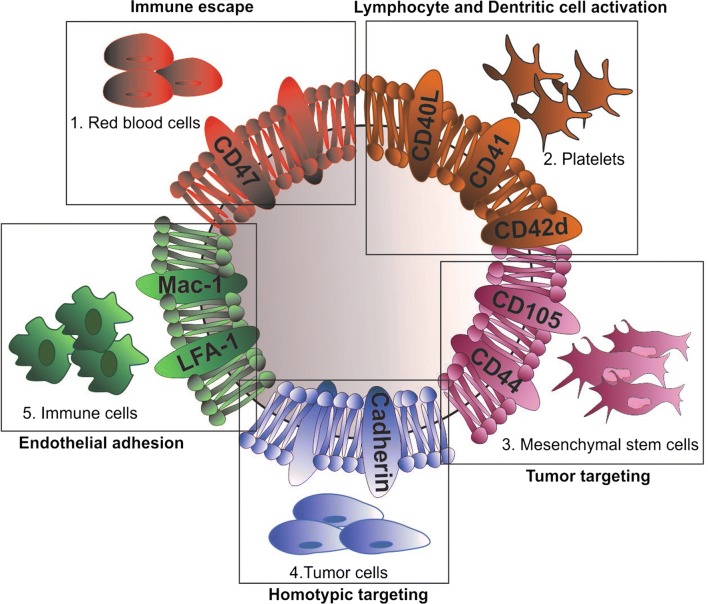
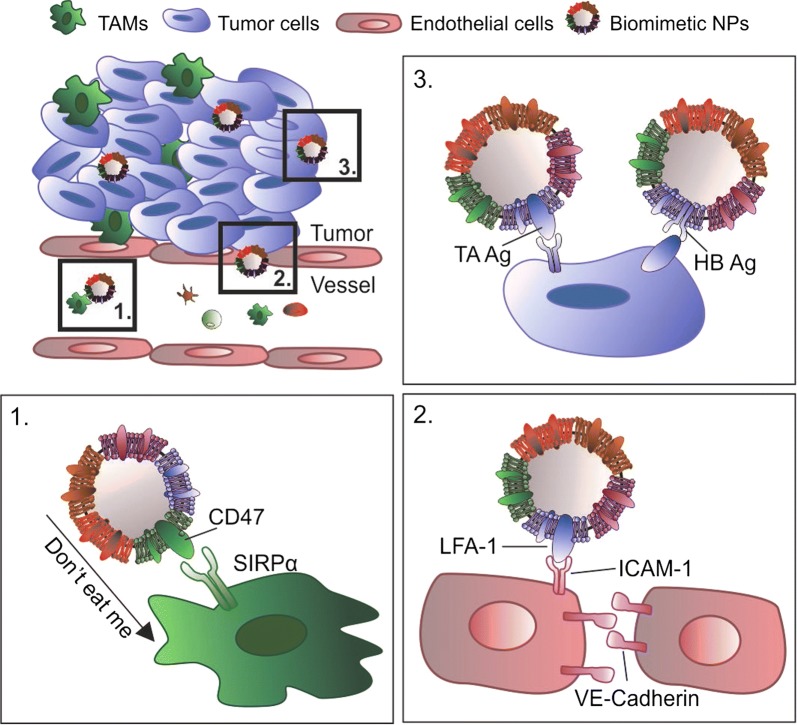
Nanoparticles have seen considerable popularity as effective tools for drug delivery. However, non-specific targeting continues to remain a challenge. Recently, biomimetic nanoparticles have emerged as an innovative solution that exploits biologically-derived components to improve therapeutic potential. Specifically, cell membrane proteins extracted from various cells (i.e., leukocytes, erythrocytes, platelets, mesenchymal stem cells, cancer) have shown considerable promise in bestowing nanoparticles with increased circulation and targeting efficacy. Traditional nanoparticles can be detected and removed by the immune system which significantly hinders their clinical success. Biomimicry has been proposed as a promising approach to overcome these limitations. In this review, we highlight the current trends in biomimetic nanoparticles and describe how they are being used to increase their chemotherapeutic effect in cancer treatment.
纳米颗粒作为有效的药物递送工具已广受欢迎。然而,非特异性靶向仍然是一个挑战。最近,仿生纳米颗粒作为一种创新解决方案出现,它利用生物衍生成分来提高治疗潜力。具体而言,从各种细胞(即白细胞、红细胞、血小板、间充质干细胞、癌细胞)中提取的细胞膜蛋白在赋予纳米颗粒更高的循环和靶向功效方面显示出巨大潜力。传统纳米颗粒会被免疫系统检测并清除,这严重阻碍了它们在临床上的成功应用。仿生学已被认为是克服这些局限性的一种有前景的方法。在这篇综述中,我们强调了仿生纳米颗粒的当前趋势,并描述了它们如何被用于增强癌症治疗中的化疗效果。