Zhai Yihui, Su Jinghan, Ran Wei, Zhang Pengcheng, Yin Qi, Zhang Zhiwen, Yu Haijun, Li Yaping
State Key Laboratory of Drug Research & Center of Pharmaceutics, Shanghai Institute of Materia Medica, Chinese Academy of Sciences, Shanghai 201203, China.
University of Chinese Academy of Sciences, Beijing 100049, China.
Theranostics. 2017 Jun 25;7(10):2575-2592. doi: 10.7150/thno.20118. eCollection 2017.
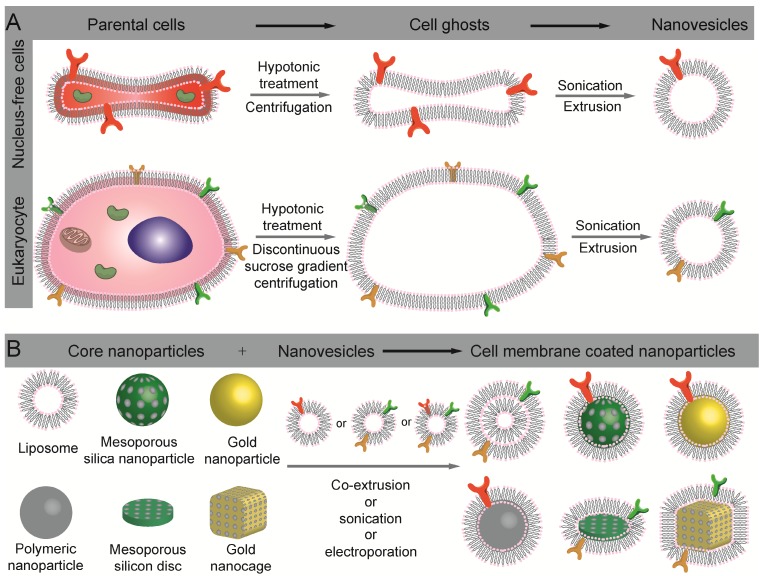
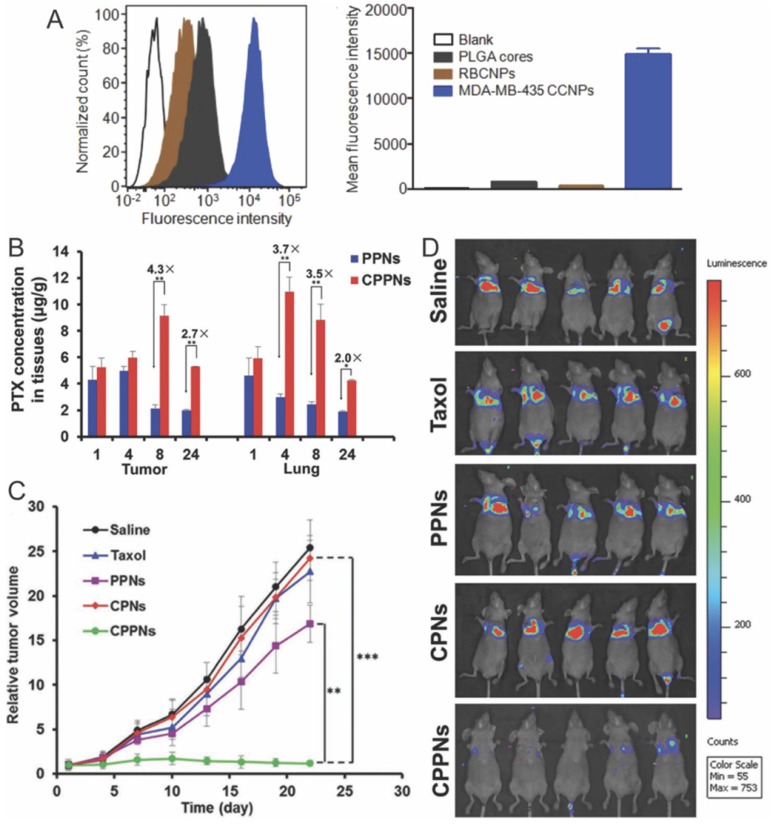
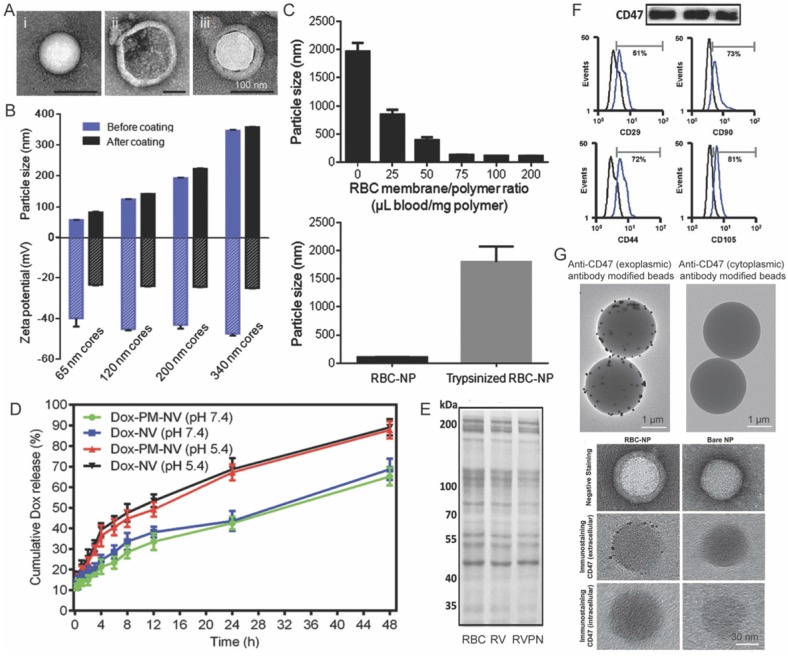
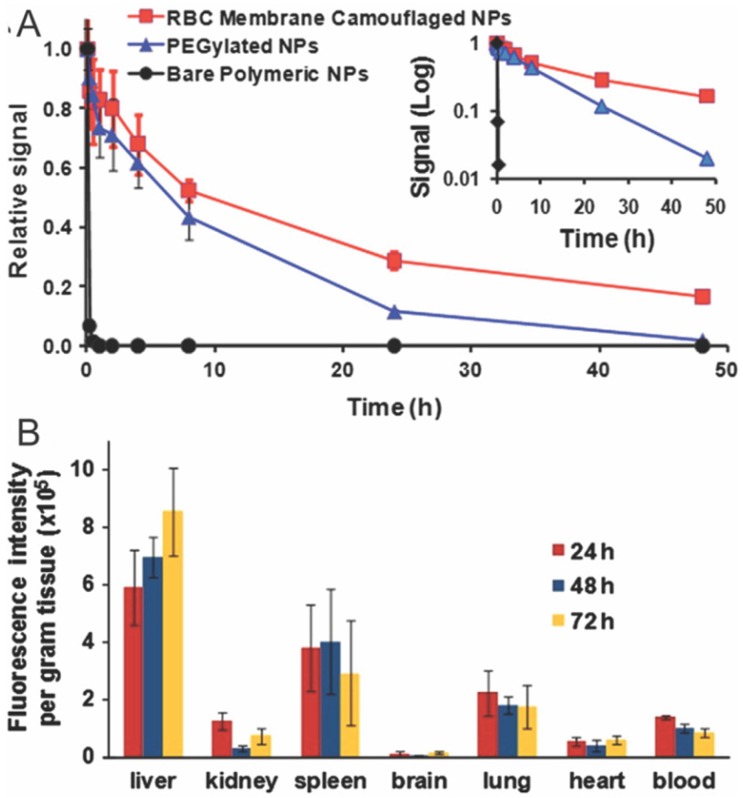
Cancer is one of the leading causes of death worldwide. Many treatments have been developed so far, although effective, suffer from severe side effects due to low selectivity. Nanoparticles can improve the therapeutic index of their delivered drugs by specifically transporting them to tumors. However, their exogenous nature usually leads to fast clearance by mononuclear phagocytic system. Recently, cell membrane-camouflaged nanoparticles have been investigated for cancer therapy, taking advantages of excellent biocompatibility and versatile functionality of cell membranes. In this review, we summarized source materials and procedures that have been used for constructing and characterizing biomimetic nanoparticles with a focus on their application in cancer therapy.
癌症是全球主要死因之一。迄今为止,已经开发了许多治疗方法,尽管有效,但由于选择性低而存在严重的副作用。纳米颗粒可以通过将药物特异性转运到肿瘤部位来提高其治疗指数。然而,它们的外源性通常会导致被单核吞噬系统快速清除。最近,细胞膜伪装的纳米颗粒已被用于癌症治疗研究,利用了细胞膜优异的生物相容性和多功能性。在这篇综述中,我们总结了用于构建和表征仿生纳米颗粒的原材料和方法,重点关注它们在癌症治疗中的应用。