Zhang Longlong, Zhu Yuefei, Wei Xunbin, Chen Xing, Li Yang, Zhu Ying, Xia Jiaxuan, Huang Yiheng, Huang Yongzhuo, Wang Jianxin, Pang Zhiqing
Department of Pharmaceutics, School of Pharmacy, Fudan University, Shanghai 201203, China.
Key Laboratory of Smart Drug Delivery, Ministry of Education, Shanghai 201203, China.
Acta Pharm Sin B. 2022 Aug;12(8):3427-3447. doi: 10.1016/j.apsb.2022.01.005. Epub 2022 Jan 12.
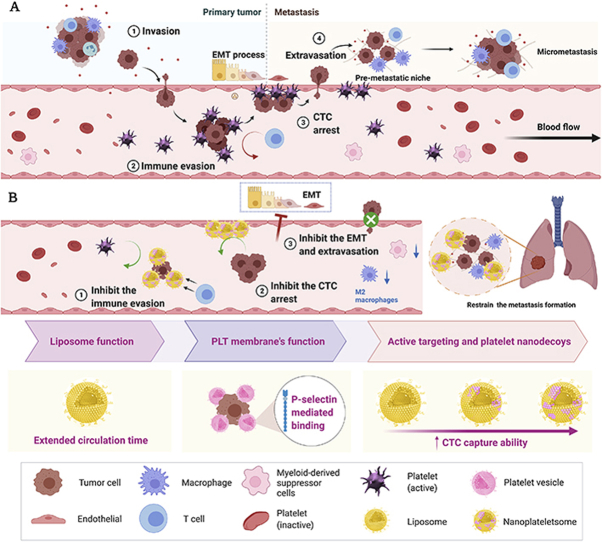
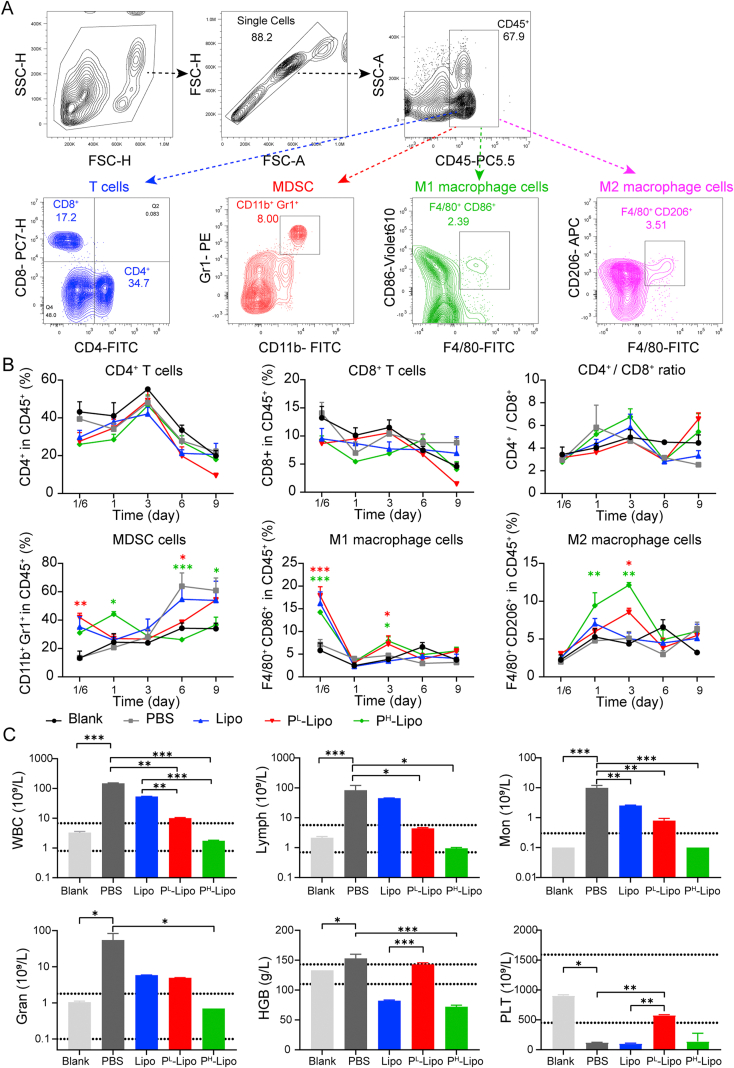
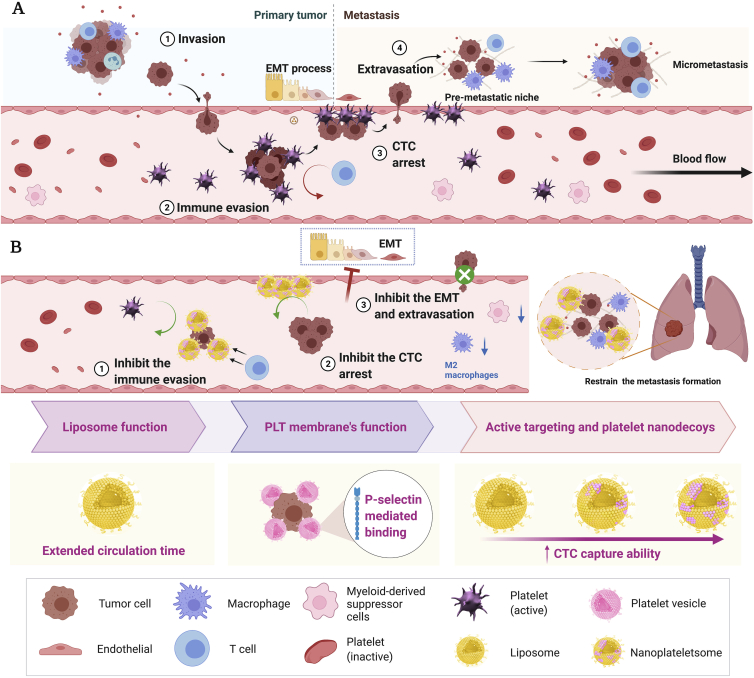
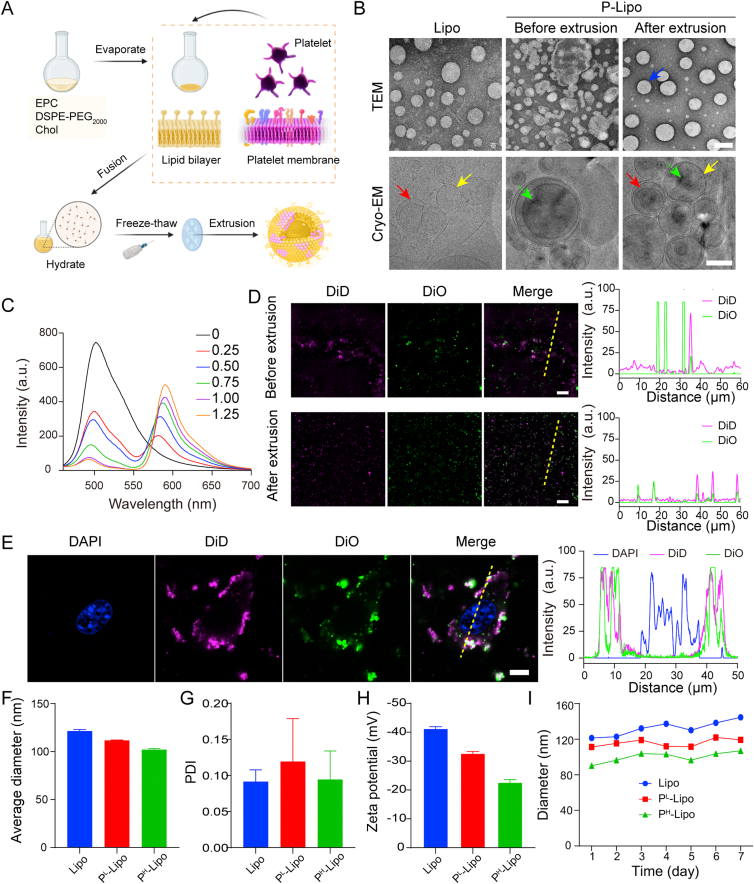
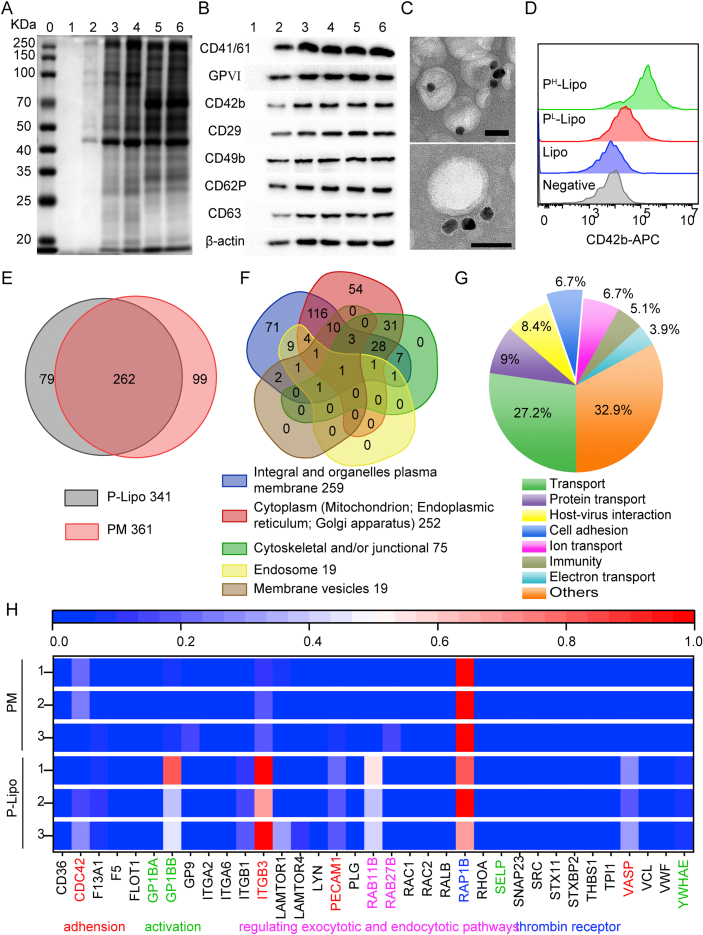
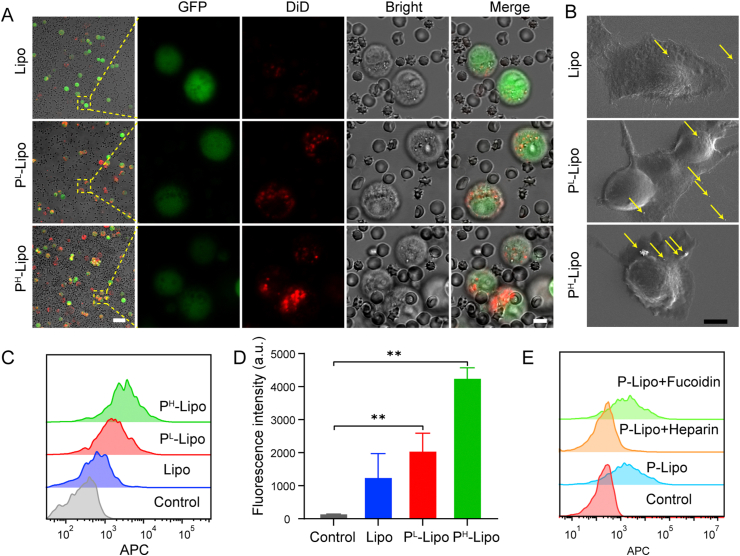
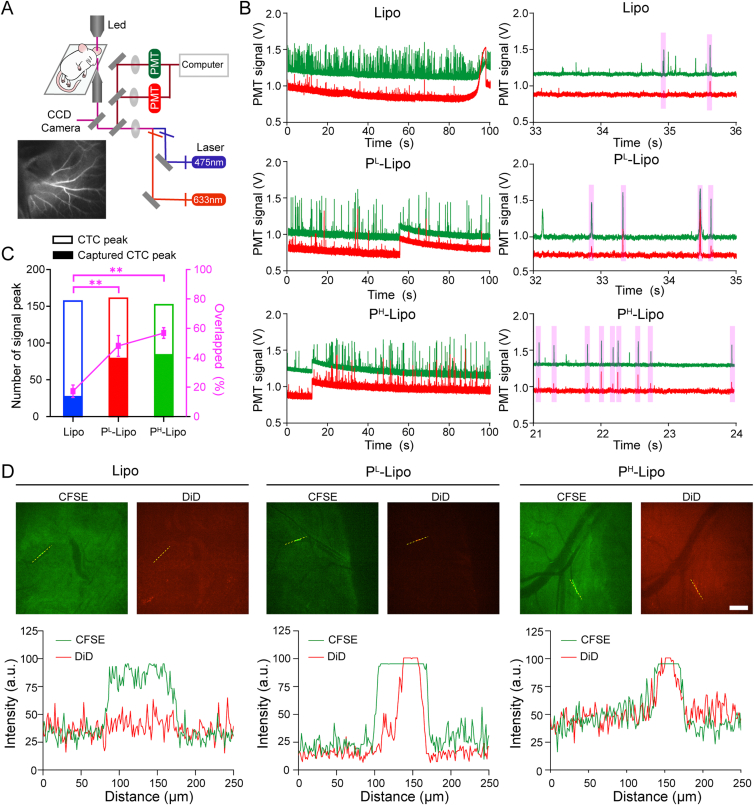
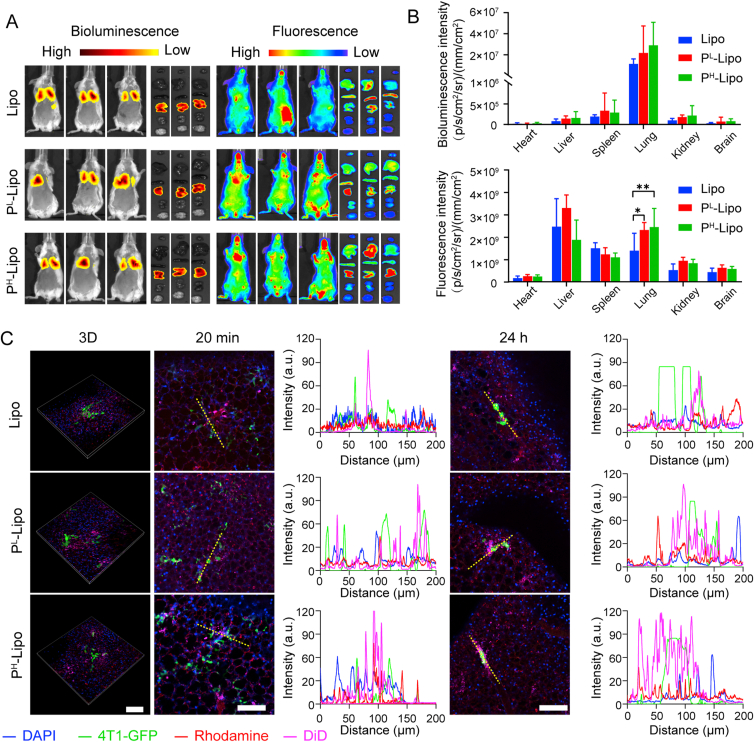
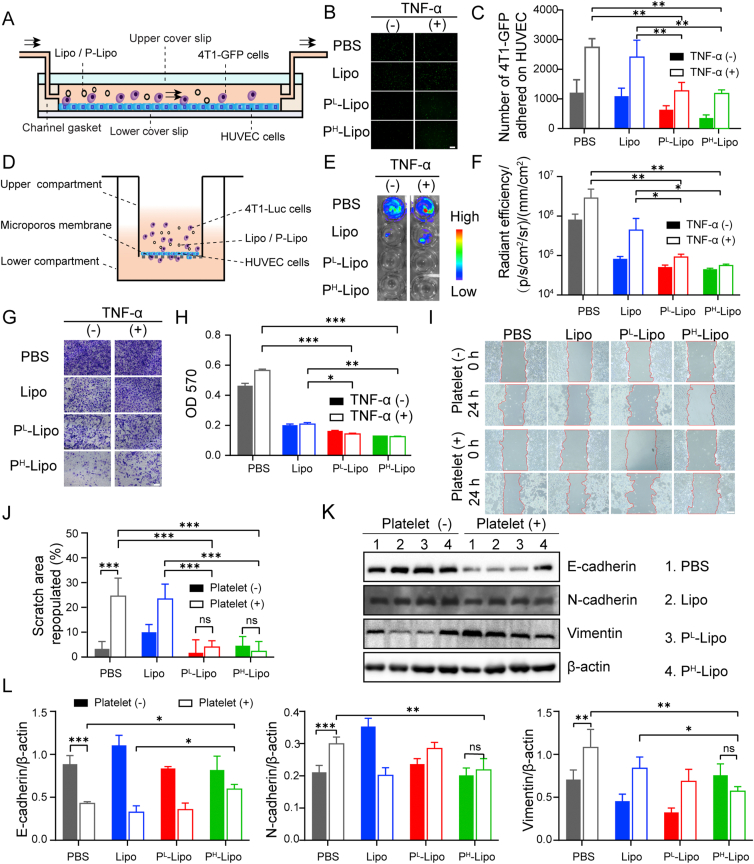
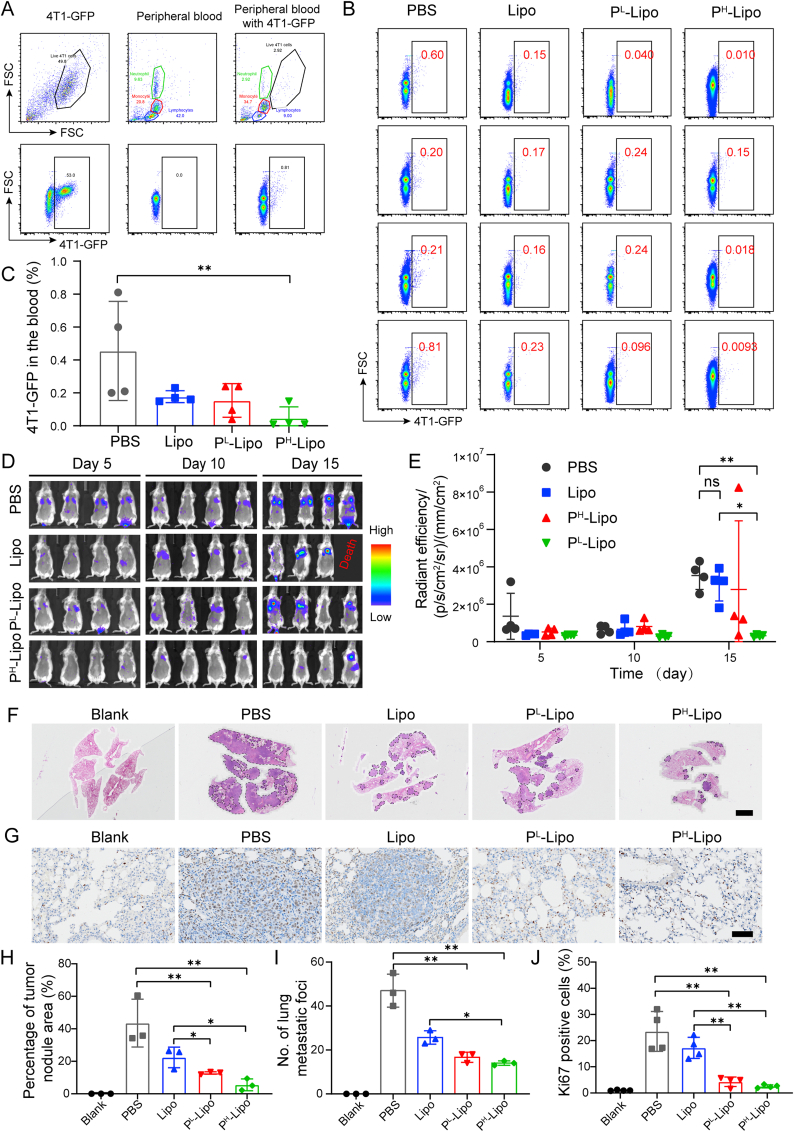
Platelets buoy up cancer metastasis arresting cancer cells, enhancing their adhesion, and facilitating their extravasation through the vasculature. When deprived of intracellular and granular contents, platelet decoys could prevent metastatic tumor formation. Inspired by these, we developed nanoplatesomes by fusing platelet membranes with lipid membranes (P-Lipo) to restrain metastatic tumor formation more efficiently. It was shown nanoplateletsomes bound with circulating tumor cells (CTC) efficiently, interfered with CTC arrest by vessel endothelial cells, CTC extravasation through endothelial layers, and epithelial-mesenchymal transition of tumor cells as nanodecoys. More importantly, in the mouse breast tumor metastasis model, nanoplateletsomes could decrease CTC survival in the blood and counteract metastatic tumor growth efficiently by inhibiting the inflammation and suppressing CTC escape. Therefore, nanoplatelesomes might usher in a new avenue to suppress lung metastasis.
血小板促进癌症转移,它能捕获癌细胞,增强其黏附能力,并促进癌细胞通过脉管系统外渗。当去除细胞内和颗粒内容物时,血小板诱饵可防止转移性肿瘤形成。受此启发,我们通过将血小板膜与脂质膜融合(P-Lipo)开发了纳米板脂质体,以更有效地抑制转移性肿瘤形成。结果表明,纳米板脂质体作为纳米诱饵可有效结合循环肿瘤细胞(CTC),干扰血管内皮细胞对CTC的捕获、CTC通过内皮细胞层的外渗以及肿瘤细胞的上皮-间质转化。更重要的是,在小鼠乳腺肿瘤转移模型中,纳米板脂质体可降低血液中CTC的存活率,并通过抑制炎症和抑制CTC逃逸有效地对抗转移性肿瘤生长。因此,纳米板脂质体可能为抑制肺转移开辟一条新途径。