Thai Red Cross Emerging Infectious Health Science Centre, Neuroscience Center for Research and Development & WHO-CC for Research and Training on Viral Zoonoses King Chulalongkorn Memorial Hospital, Faculty of Medicine, Chulalongkorn University, Bangkok, 10330, Thailand.
Vector Biology and Vector Borne Disease Research Unit, Department of Parasitology, Faculty of Medicine, Chulalongkorn University, Bangkok, 10330, Thailand.
Sci Rep. 2019 Mar 27;9(1):5257. doi: 10.1038/s41598-019-41727-8.
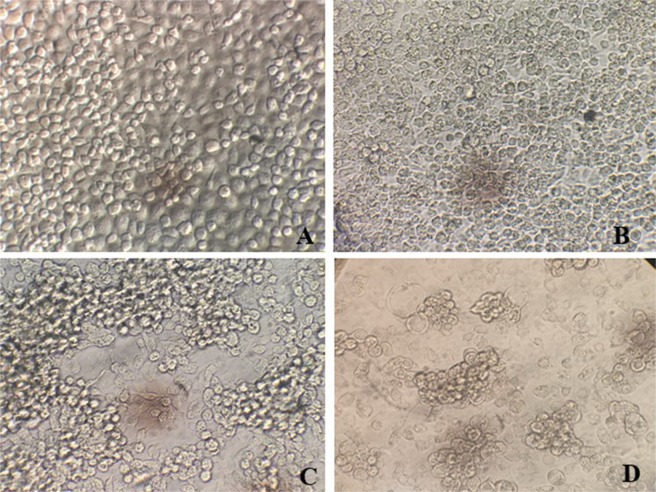
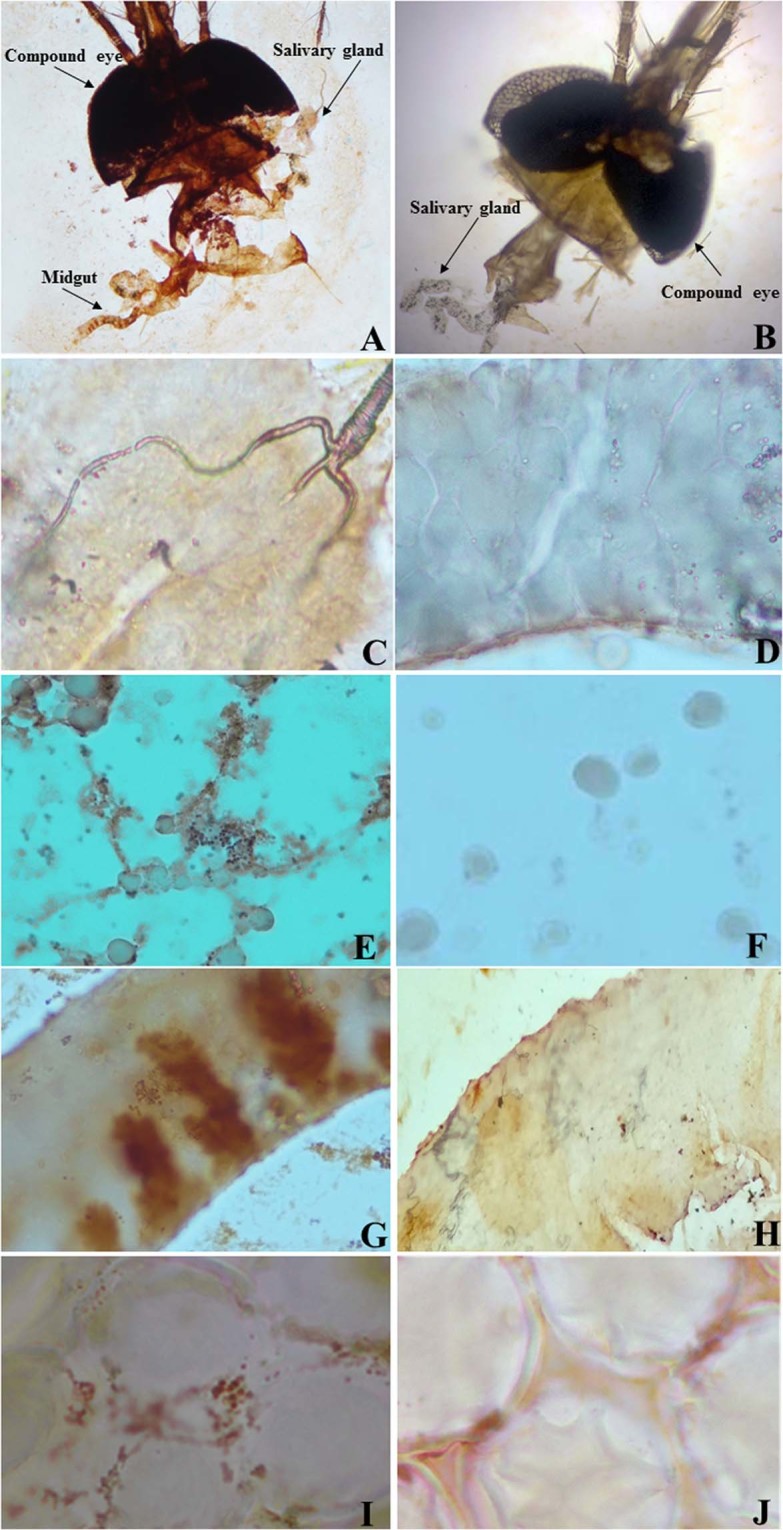
Several mosquito species have been described as vectors for the Zika virus (ZIKV), such as those in the Aedes, Anopheles, Mansonia and Culex genera. Our previous survey studies were found the ZIKV RNA positive in both male, female and larvae of Culex quinquefasciatus Say and Aedes aegypti (L.) mosquitoes collected from active ZIKV infected patients' homes in Thailand. Therefore, the aims of this study were to investigate whether ZIKV could be vertically transmitted in Cx. quinquefasciatus, Ae. aegypti and Ae. albopictus. Laboratory and field colonies of these mosquito species were maintained and artificially fed with ZIKV in human blood. Fully engorged mosquitoes (F) were selected and reared for the vertical transmission study. The subsequent mosquito generations were fed with human blood without the virus. ZIKV in the mosquitoes was detected by hemi-nested RT-PCR and sequencing. C6/36 cells were used to isolate ZIKV from samples that tested positive by hemi-nested RT-PCR. Moreover, ZIKV was identified by immunocytochemical staining 7 days after infection in several organs of infected F females, including the salivary glands, midguts, yoke granules and facet cells of the eye. The localization of the ZIKV antigen was identified by the presence of the specific antibody in the salivary glands, midguts, yoke granules and facet cells. ZIKV was detected in female and male Cx. quinquefasciatus until the F and F generations, respectively. The isolated virus showed cytopathic effects in C6/36 cells by 5 days postinfection. The results suggested that the vertical transmission of ZIKV occurs in Cx. quinquefasciatus in the laboratory. However, we were able to detect the presence of ZIKV in Ae. aegypti in only the F generation in both male and female mosquitoes, and Ae. albopictus mosquitoes were not able to vertically transmit the virus at all. Data obtained from this study could be valuable for developing a better understanding of the role of Cx. quinquefasciatus as a potential vector for ZIKV transmission in Thailand and may be useful in creating more effective mosquito vector control strategies in the future.
几种蚊种已被描述为寨卡病毒(ZIKV)的传播媒介,如埃及伊蚊、疟蚊属、曼蚊属和库蚊属。我们之前的调查研究发现,从泰国寨卡病毒感染患者家中采集的雄性、雌性和幼虫库蚊和埃及伊蚊中均有 ZIKV RNA 阳性。因此,本研究旨在研究 ZIKV 是否可在库蚊、埃及伊蚊和白纹伊蚊中垂直传播。这些蚊种的实验室和野外种群均用含有人血的 ZIKV 进行人工饲养。选择完全饱血的蚊子(F)进行垂直传播研究。随后的蚊子世代以不含病毒的人血为食。用半巢式 RT-PCR 和测序检测蚊子中的 ZIKV。用 C6/36 细胞从半巢式 RT-PCR 检测为阳性的样本中分离 ZIKV。感染后 7 天,用免疫细胞化学染色法在感染 F 代雌蚊的几个器官(唾液腺、中肠、卵黄颗粒和眼的小眼面细胞)中鉴定 ZIKV。在唾液腺、中肠、卵黄颗粒和小眼面细胞中存在特异性抗体时,可鉴定出 ZIKV 抗原的定位。ZIKV 可在雌性和雄性库蚊中检测到 F 代和 F 代。分离的病毒在 C6/36 细胞中感染后 5 天出现细胞病变效应。结果表明,ZIKV 在实验室中可在库蚊中垂直传播。然而,我们仅能在雄性和雌性埃及伊蚊的 F 代中检测到 ZIKV 的存在,而白纹伊蚊根本无法垂直传播病毒。本研究获得的数据可有助于更好地了解库蚊在泰国作为寨卡病毒传播的潜在媒介的作用,并且可能有助于未来制定更有效的蚊虫媒介控制策略。