Department of Parasitology, Faculty of Medicine, University of Kelaniya, Ragama, Sri Lanka.
Molecular Medicine Unit, Faculty of Medicine, University of Kelaniya, Ragama, Sri Lanka.
Parasit Vectors. 2019 Mar 28;12(1):148. doi: 10.1186/s13071-019-3398-7.
Sex separation of mosquitoes at different stages is currently being attempted to ensure the successful release of male mosquitoes in novel vector control approaches. Mechanical and behavioral techniques have been tried most frequently.
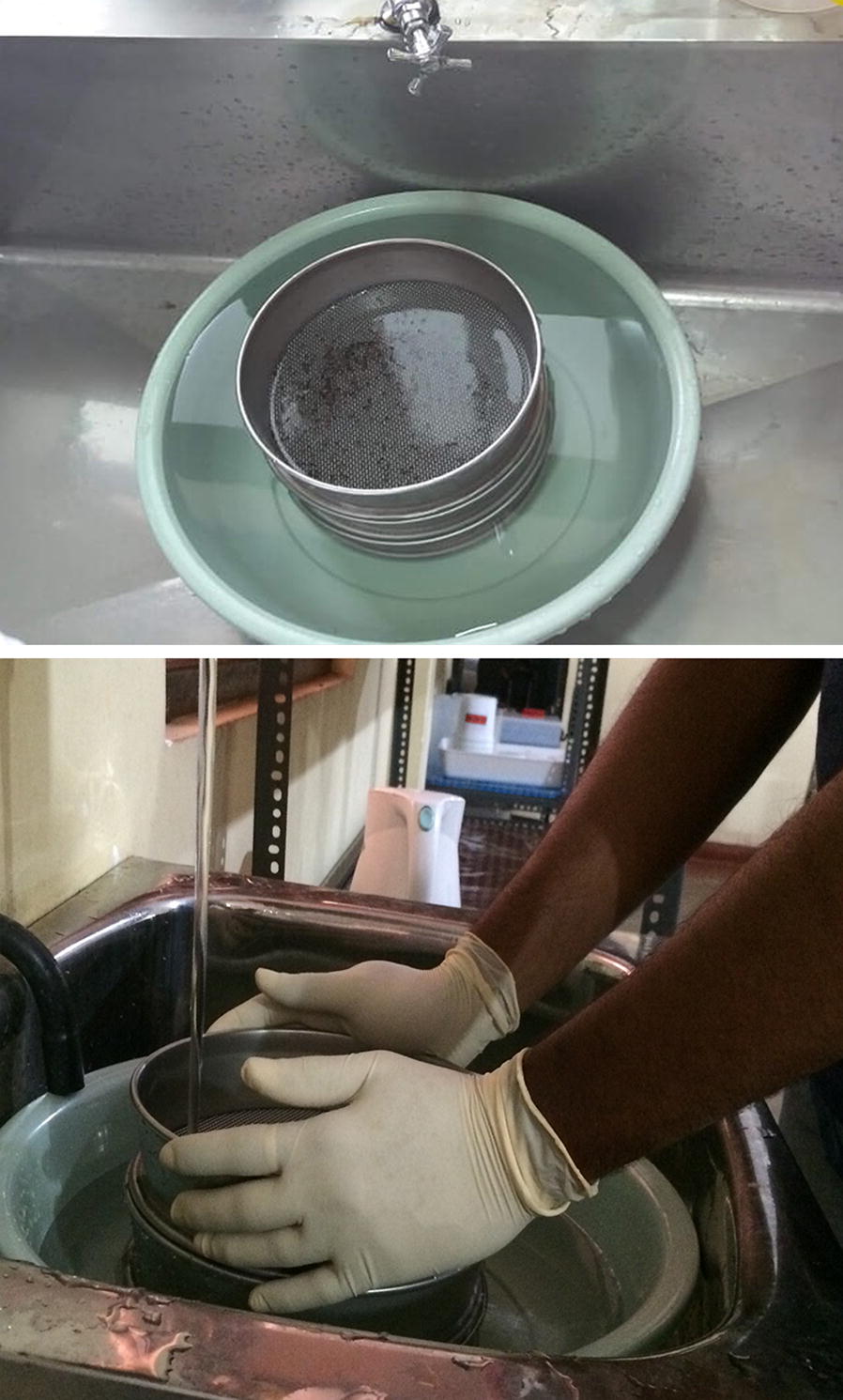
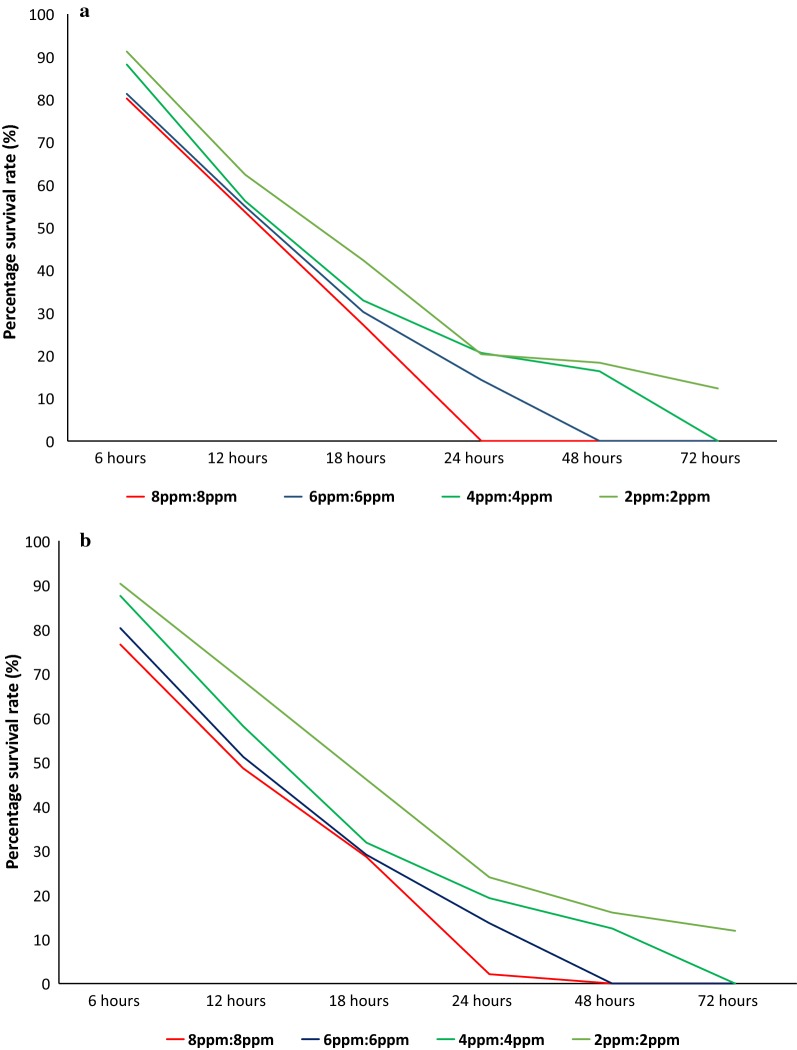
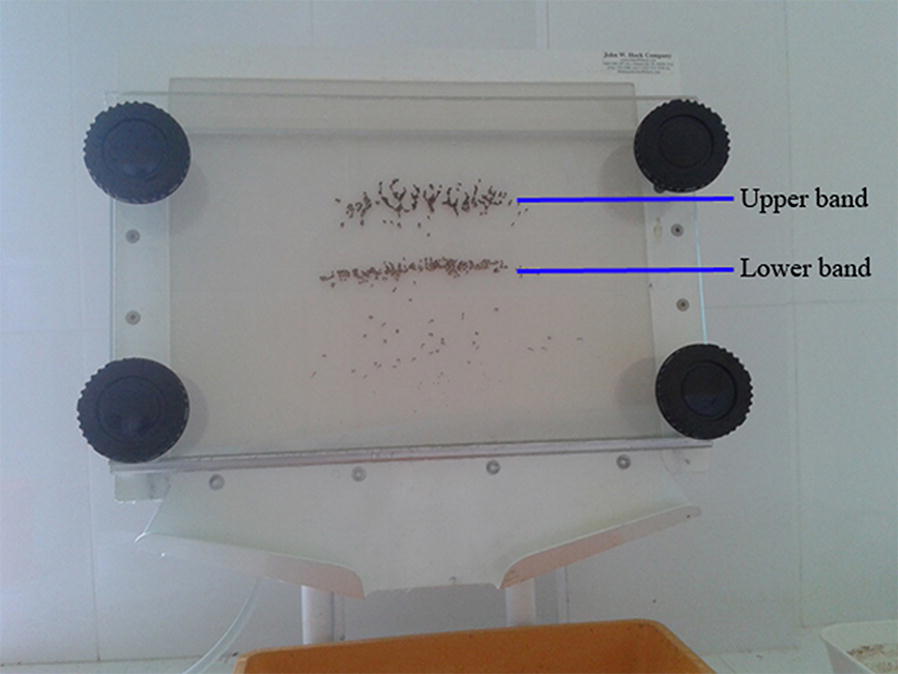
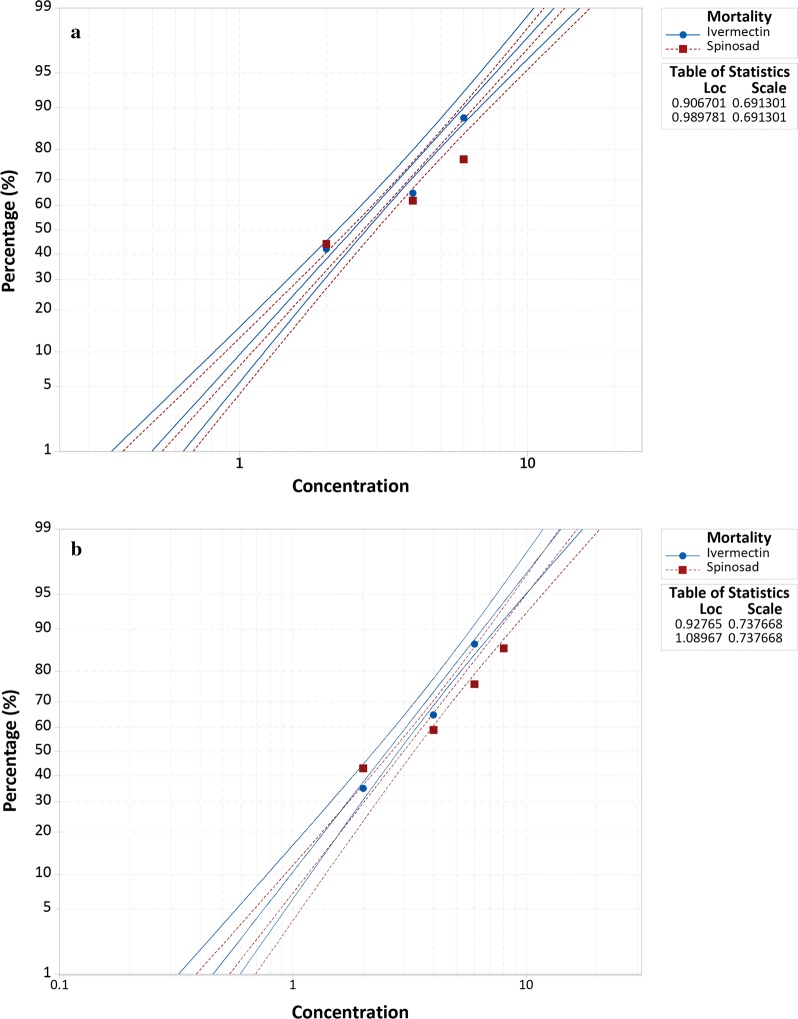
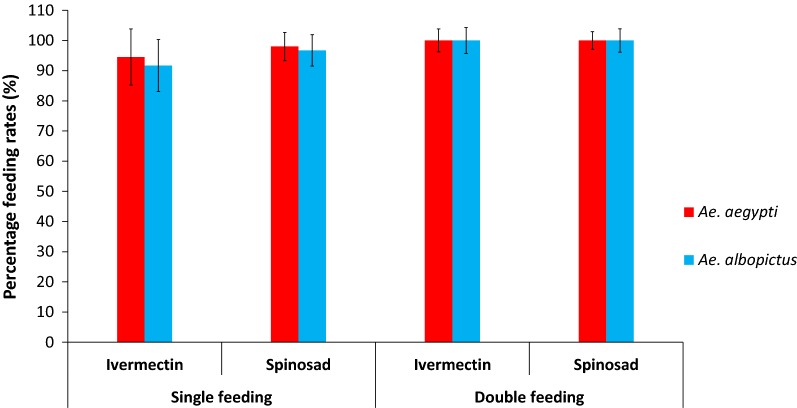
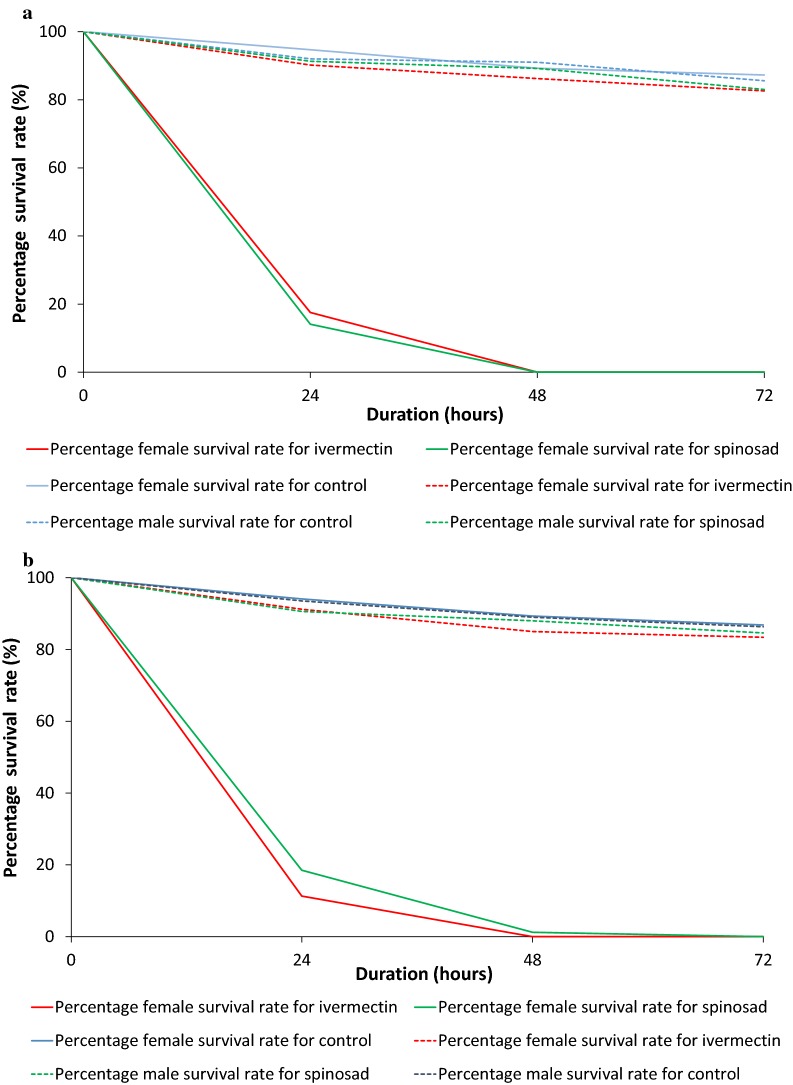
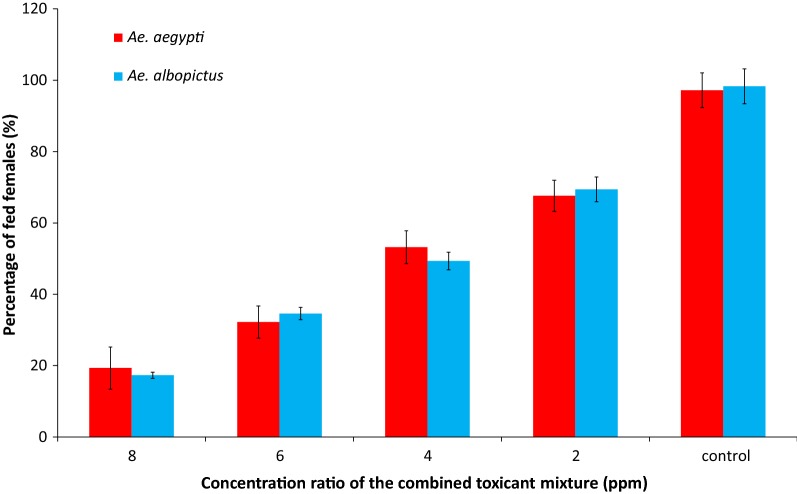
Batches of (n = 300) Aedes aegypti and Ae. albopictus pupae were used for standard sieving (using sieves with 1.12, 1.25, 1.40 and 1.60 mm mesh sizes) and the Fay-Morlan glass plate separation methods. Male and female separation by each method was calculated. For behavioral separation, a spiked blood meal with different concentrations (0, 2, 4, 6, 8 and 10 ppm) of ivermectin and spinosad (spinosyn, 12% w/v), were provided to a batch (n = 300) of adult Ae. aegypti and Ae. albopictus (1:1 sex ratio) followed by observation of mortality. An additional "double feeding method" involved provision of a further blood meal after 24 h, with the same concentrations of ivermectin and spinosad as the initial feeding, followed by a 48-h observation of mortality. All experiments were repeated five times.
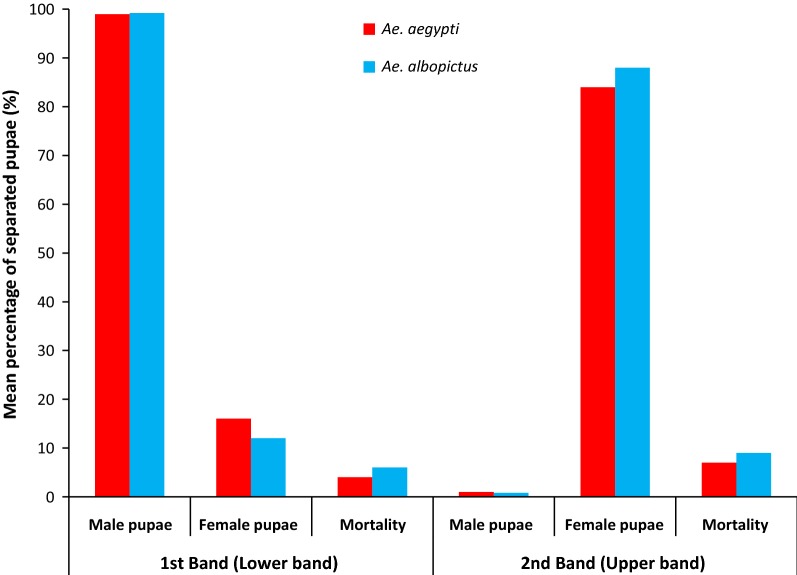
In the standard sieving method, the percentage of males and females separated at different pore sizes differed significantly (P < 0.05). The majority of the male pupae were collected in the 1.12 mm pore sized sieve for both Ae. aegypti (73%) and Ae. albopictus (69%) while females were retained mainly in the sieve with the pore size of 1.25 mm. In the Fay-Morlan glass plate separation, 99.0% of the Ae. aegypti and 99.2% of the Ae. albopictus introduced male pupae could be separated, but with female contaminations of 16 and 12%, respectively. Provision of a blood meal spiked with 8 ppm of ivermectin under the "double feeding" was identified as the most effective way of achieving 100% female elimination for both Aedes species.
With 100% separation, use of a spiked blood meal is a more effective method of sex separation than the mechanical methods. Application of the spiked blood meal approach as a second separation level for sexes, after applying the Fay-Morlan glass plate method, could achieve 100% sex separation of sexes whilst allowing a reduction in the amount of toxicants required.
目前正在尝试对蚊子进行不同阶段的性别分离,以确保新型病媒控制方法中成功释放雄性蚊子。机械和行为技术是最常尝试的方法。
使用标准筛网(孔径分别为 1.12、1.25、1.40 和 1.60 毫米)和 Fay-Morlan 玻璃平板分离方法,对(n=300)批埃及伊蚊和白纹伊蚊蛹进行处理。计算每种方法的雌雄分离率。对于行为分离,用不同浓度(0、2、4、6、8 和 10ppm)的伊维菌素和多杀菌素(spinosyn,12%w/v)对一批(n=300)成蚊(雌雄比为 1:1)进行尖刺血餐喂养,然后观察死亡率。另一种“双喂养方法”涉及在 24 小时后提供另一次血餐,使用与初始喂养相同的伊维菌素和多杀菌素浓度,然后观察 48 小时的死亡率。所有实验均重复五次。
在标准筛网方法中,不同孔径分离的雄性和雌性百分比有显著差异(P<0.05)。大多数埃及伊蚊(73%)和白纹伊蚊(69%)的雄蛹在 1.12 毫米孔径的筛网中收集,而雌蛹主要保留在 1.25 毫米孔径的筛网中。在 Fay-Morlan 玻璃平板分离中,99.0%的埃及伊蚊和 99.2%的白纹伊蚊引入的雄蛹可以分离,但分别有 16%和 12%的雌性污染。在“双喂养”中提供 8ppm 伊维菌素的血餐被确定为两种伊蚊中实现 100%雌性消除的最有效方法。
100%分离时,使用尖刺血餐比机械方法更有效地进行性别分离。在应用 Fay-Morlan 玻璃平板方法后,将尖刺血餐方法作为性别分离的第二级应用,可以实现 100%的性别分离,同时减少所需有毒物质的量。