Department of Parasitology, Faculty of Medicine, University of Kelaniya, Ragama, Sri Lanka.
Molecular Medicine Unit, Faculty of Medicine, University of Kelaniya, Ragama, Sri Lanka.
Biomed Res Int. 2017;2017:3196924. doi: 10.1155/2017/3196924. Epub 2017 Aug 15.
Selection of the artificial membrane feeding technique and blood meal source has been recognized as key considerations in mass rearing of vectors.
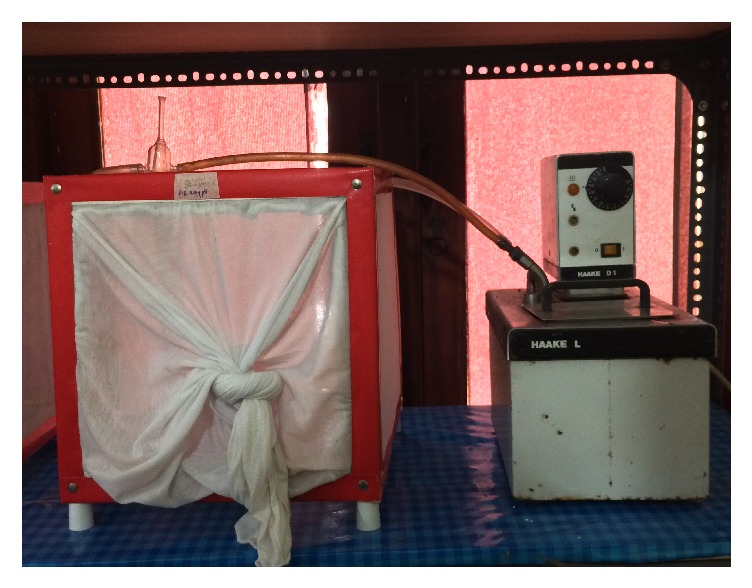
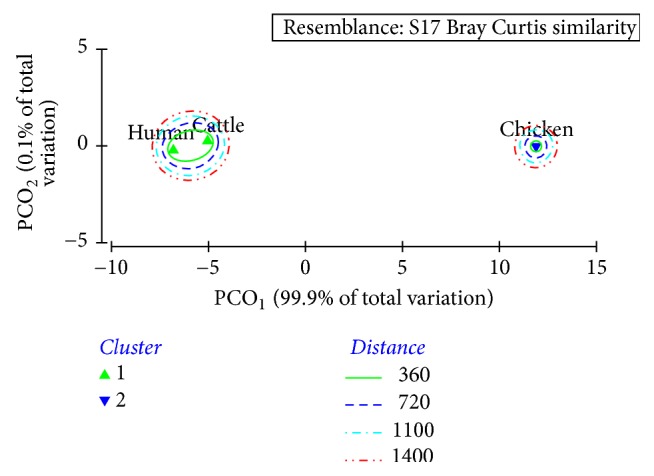
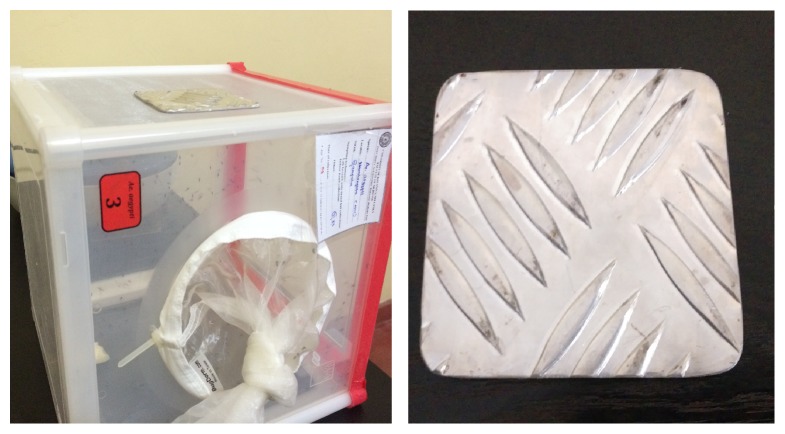
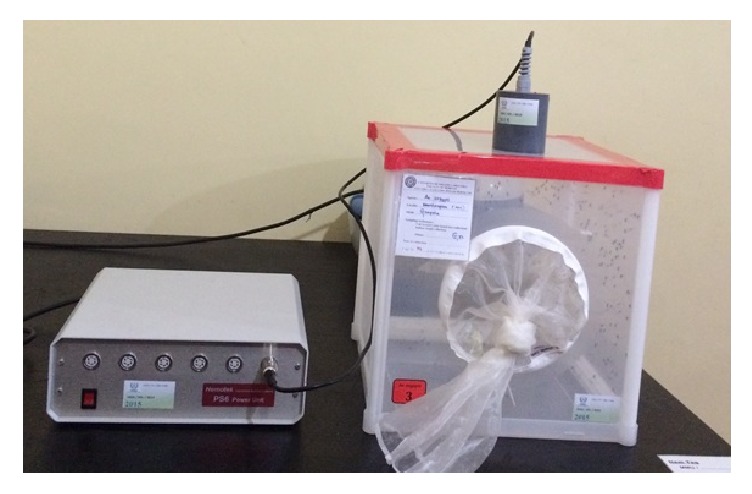
Artificial membrane feeding techniques, namely, glass plate, metal plate, and Hemotek membrane feeding method, and three blood sources (human, cattle, and chicken) were evaluated based on feeding rates, fecundity, and hatching rates of . Significance in the variations among blood feeding was investigated by one-way ANOVA, cluster analysis of variance (ANOSIM), and principal coordinates (PCO) analysis.
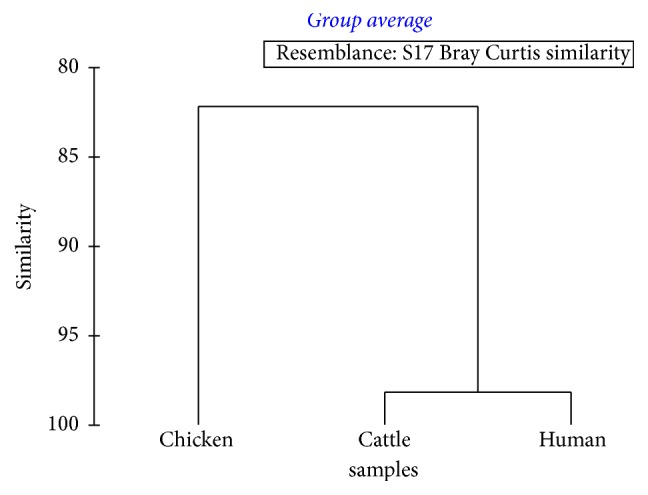
Feeding rates of significantly differed among the membrane feeding techniques as suggested by one-way ANOVA ( < 0.05). The metal plate method was identified as the most efficient and cost-effective feeding technique. Blood feeding rate of was higher with human blood followed by cattle and chicken blood, respectively. However, no significant difference was observed from the mosquitoes fed with cattle and human blood, in terms of fecundity, oviposition rate, and fertility as suggested by one-way ANOVA ( > 0.05).
Metal plate method could be recommended as the most effective membrane feeding technique for mass rearing of , due to its high feeding rate and cost effectiveness. Cattle blood could be recommended for mass rearing .
在媒介的大规模饲养中,选择人工膜饲养技术和血食源已被认为是关键考虑因素。
基于饲养率、繁殖力和孵化率,评估了人工膜饲养技术(玻璃盘、金属盘和 Hemotek 膜饲养方法)和三种血源(人、牛和鸡)。通过单向方差分析(ANOVA)、方差分析的聚类(ANOSIM)和主坐标(PCO)分析研究了血食源变化的显著性。
膜饲养技术之间的 饲养率差异显著,单向 ANOVA 分析( < 0.05)。金属盘法被确定为最有效和最具成本效益的饲养技术。从人类血液中饲养的 血食率最高,其次是牛血和鸡血。然而,单向 ANOVA 分析( > 0.05)表明,从牛血和人血中饲养的蚊子在繁殖力、产卵率和育性方面没有显著差异。
由于金属盘法具有较高的饲养率和成本效益,因此可以推荐该方法作为大规模饲养 的最有效膜饲养技术。牛血可推荐用于大规模饲养 。