Division of Crop Improvement, ICAR-Sugarcane Breeding Institute, Coimbatore, Tamil Nadu, 641007, India.
Department of Biotechnology, Bharathiar University, Coimbatore, Tamil Nadu, 641041, India.
BMC Genomics. 2019 Apr 18;19(Suppl 9):986. doi: 10.1186/s12864-018-5349-7.
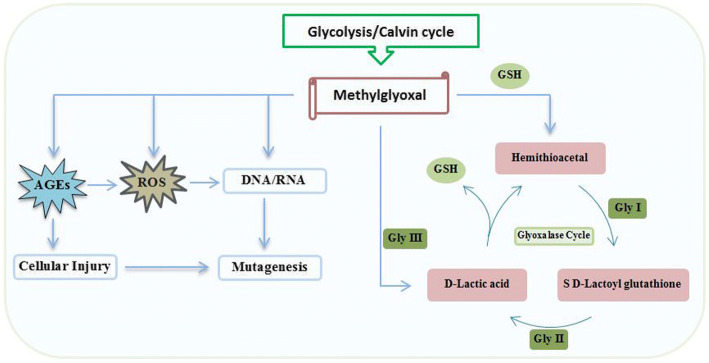
Glyoxalase pathway is a reactive carbonyl species (RCS) scavenging mechanism involved in the detoxification of methylglyoxal (MG), which is a reactive α-ketoaldehyde. In plants under abiotic stress, the cellular toxicity is reduced through glyoxalase pathway genes, i.e. Glyoxalase I (Gly I), Glyoxalase II (Gly II) and Glyoxalase III (Gly III). Salinity and water deficit stresses produce higher amounts of endogenous MG resulting in severe tissue damage. Thus, characterizing glyoxalase pathway genes that govern the MG metabolism should provide new insights on abiotic stress tolerance in Erianthus arundinaceus, a wild relative of sugarcane and commercial sugarcane hybrid (Co 86032).
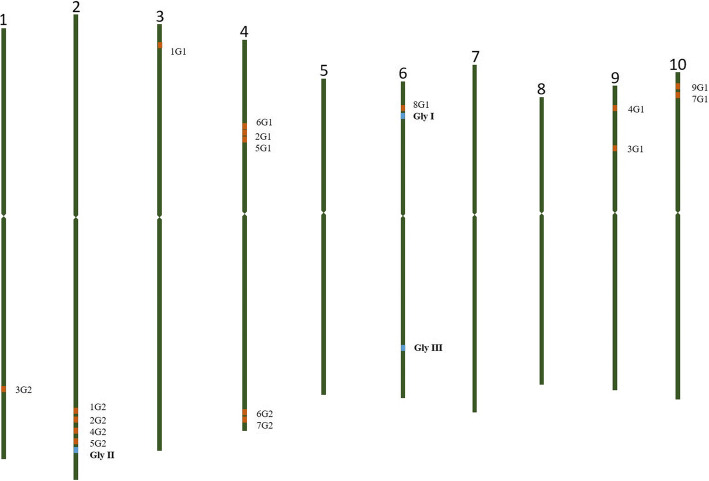
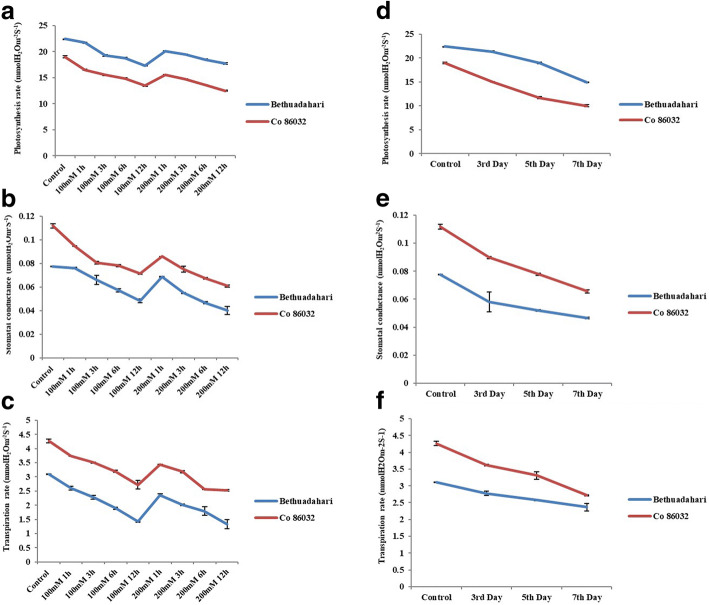
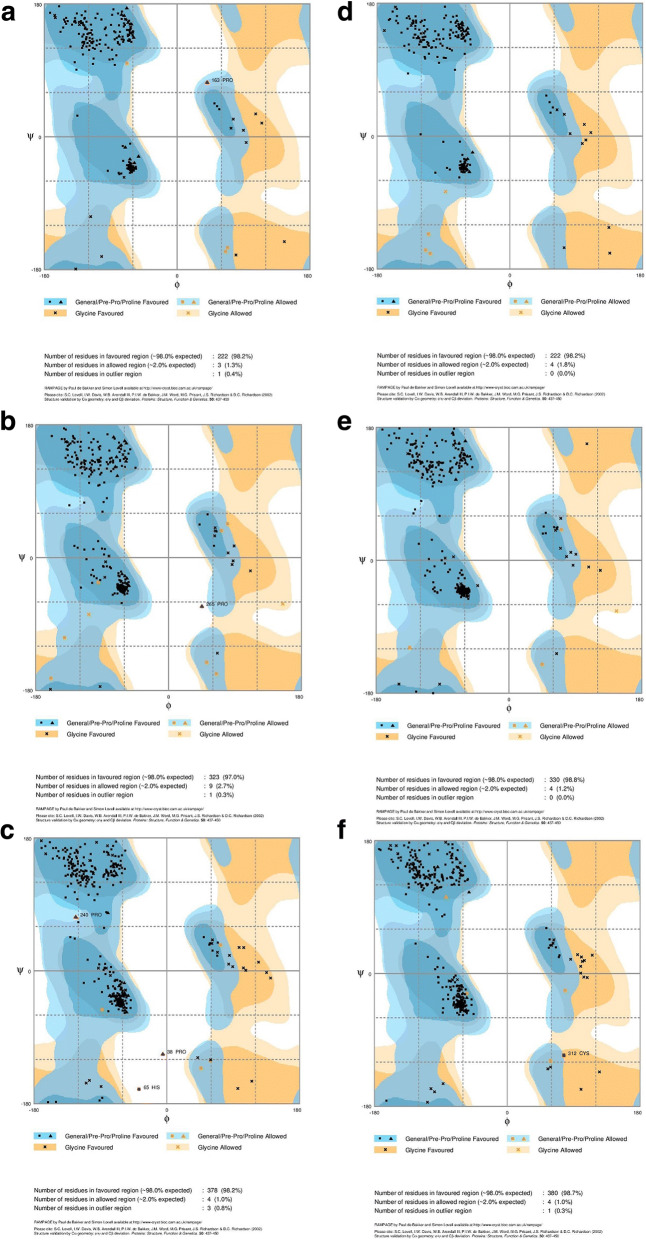
In this study, three glyoxalase genes (Glyoxalase I, II and III) from E. arundinaceus (a wild relative of sugarcane) and commercial sugarcane hybrid (Co 86032) were characterized. Comparative gene expression profiles (qRT-PCR) of Glyoxalase I, II and III under salinity and water deficit stress conditions revealed differential transcript expression with higher levels of Glyoxalase III in both the stress conditions. Significantly, E. arundinaceus had a higher expression level of glyoxalase genes compared to commercial sugarcane hybrid. On the other hand, gas exchange parameters like stomatal conductance and transpiration rate were declined to very low levels under both salt and drought induced stresses in commercial sugarcane hybrid when compared to E. arundinaceus. E. arundinaceus maintained better net photosynthetic rate compared to commercial sugarcane hybrid. The phylogenetic analysis of glyoxalase proteins showed its close evolutionary relationship with Sorghum bicolor and Zea mays. Glyoxalase I and II were predicted to possess 9 and 7 isoforms respectively whereas, Glyoxalase III couldn't be identified as it comes under uncharacterized protein identified in recent past. Chromosomal mapping is also carried out for glyoxalase pathway genes and its isoforms. Docking studies revealed the binding affinities of glyoxalase proteins in both E. arundinaceus and commercial sugarcane hybrid with their substrate molecules.
This study emphasizes the role of Glyoxalase pathway genes in stress defensive mechanism which route to benefit in progressive plant adaptations and serves as potential candidates for development of salt and drought tolerant crops.
乙二醛酶途径是一种参与甲基乙二醛(MG)解毒的活性羰基物种(RCS)清除机制,MG 是一种活性α-酮醛。在非生物胁迫下,细胞毒性通过乙二醛酶途径基因降低,即乙二醛酶 I(Gly I)、乙二醛酶 II(Gly II)和乙二醛酶 III(Gly III)。盐度和水分亏缺胁迫会产生更多的内源性 MG,导致严重的组织损伤。因此,研究调控 MG 代谢的乙二醛酶途径基因,应能为甘蔗野生近缘种和商业杂交种(Co 86032)的非生物胁迫耐受性提供新的见解。
本研究从甘蔗野生近缘种(Erianthus arundinaceus)和商业杂交种(Co 86032)中鉴定了三个乙二醛酶基因(Glyoxalase I、II 和 III)。在盐度和水分亏缺胁迫条件下,对乙二醛酶 I、II 和 III 的比较基因表达谱(qRT-PCR)显示,在两种胁迫条件下,乙二醛酶 III 的转录表达水平较高。值得注意的是,E. arundinaceus 的乙二醛酶基因表达水平高于商业杂交种。另一方面,与 E. arundinaceus 相比,商业杂交种在盐胁迫和干旱胁迫下,气体交换参数如气孔导度和蒸腾速率均下降到非常低的水平。E. arundinaceus 的净光合速率保持优于商业杂交种。乙二醛酶蛋白的系统发育分析表明,它与高粱和玉米具有密切的进化关系。乙二醛酶 I 和 II 分别被预测具有 9 个和 7 个同工型,而乙二醛酶 III 由于是最近才鉴定出的未鉴定的蛋白质,因此无法识别。还对乙二醛酶途径基因及其同工型进行了染色体定位。对接研究表明,E. arundinaceus 和商业杂交种中的乙二醛酶蛋白与其底物分子具有结合亲和力。
本研究强调了乙二醛酶途径基因在应激防御机制中的作用,这有助于植物的渐进适应,并为开发耐盐和耐旱作物提供了潜在的候选基因。