• 文献检索
  • 文档翻译
  • 深度研究
  • 学术资讯
  • Suppr Zotero 插件Zotero 插件
  • 邀请有礼
  • 套餐&价格
  • 历史记录
应用&插件
Suppr Zotero 插件Zotero 插件浏览器插件Mac 客户端Windows 客户端微信小程序
定价
高级版会员购买积分包购买API积分包
服务
文献检索文档翻译深度研究API 文档MCP 服务
关于我们
关于 Suppr公司介绍联系我们用户协议隐私条款
关注我们

Suppr 超能文献

核心技术专利:CN118964589B侵权必究
粤ICP备2023148730 号-1Suppr @ 2026

文献检索

告别复杂PubMed语法,用中文像聊天一样搜索,搜遍4000万医学文献。AI智能推荐,让科研检索更轻松。

立即免费搜索

文件翻译

保留排版,准确专业,支持PDF/Word/PPT等文件格式,支持 12+语言互译。

免费翻译文档

深度研究

AI帮你快速写综述,25分钟生成高质量综述,智能提取关键信息,辅助科研写作。

立即免费体验

氧化锌和氧化铝纳米颗粒对结肠癌细胞抗增殖潜力的比较研究

Comparative study on anti-proliferative potentials of zinc oxide and aluminium oxide nanoparticles in colon cancer cells.

作者信息

Subramaniam Vimala Devi, Ramachandran Murugesan, Marotta Francesco, Banerjee Antara, Sun Xiao Feng, Pathak Surajit

机构信息

Chettinad Hospital and Research Institute (CHRI), Chettinad Academy of Research and Education (CARE), Kelambakkam, Chennai-603103, India.

ReGenera R&D International for Aging Intervention, Milan and Beijing, China-Italy

出版信息

Acta Biomed. 2019 May 23;90(2):241-247. doi: 10.23750/abm.v90i2.6939.

DOI:10.23750/abm.v90i2.6939
PMID:31125002
原文链接:https://pmc.ncbi.nlm.nih.gov/articles/PMC6776199/
Abstract

BACKGROUND AND AIM OF THE STUDY

Use of commercial products containing nanoparticles formulated from zinc oxide (ZnO) and aluminium oxide (Al2O-3) has increased significantly. These nanoparticles are widely used as ingredient in cosmetics, and also in food packaging industry although their toxicity status is yet to be studied. Here, we aimed to explore the effect of zinc oxide nanoparticles (ZnO-NPs) and aluminium oxide nanoparticles (ANPs) in human HT29 colon cancer cell line.

METHODS

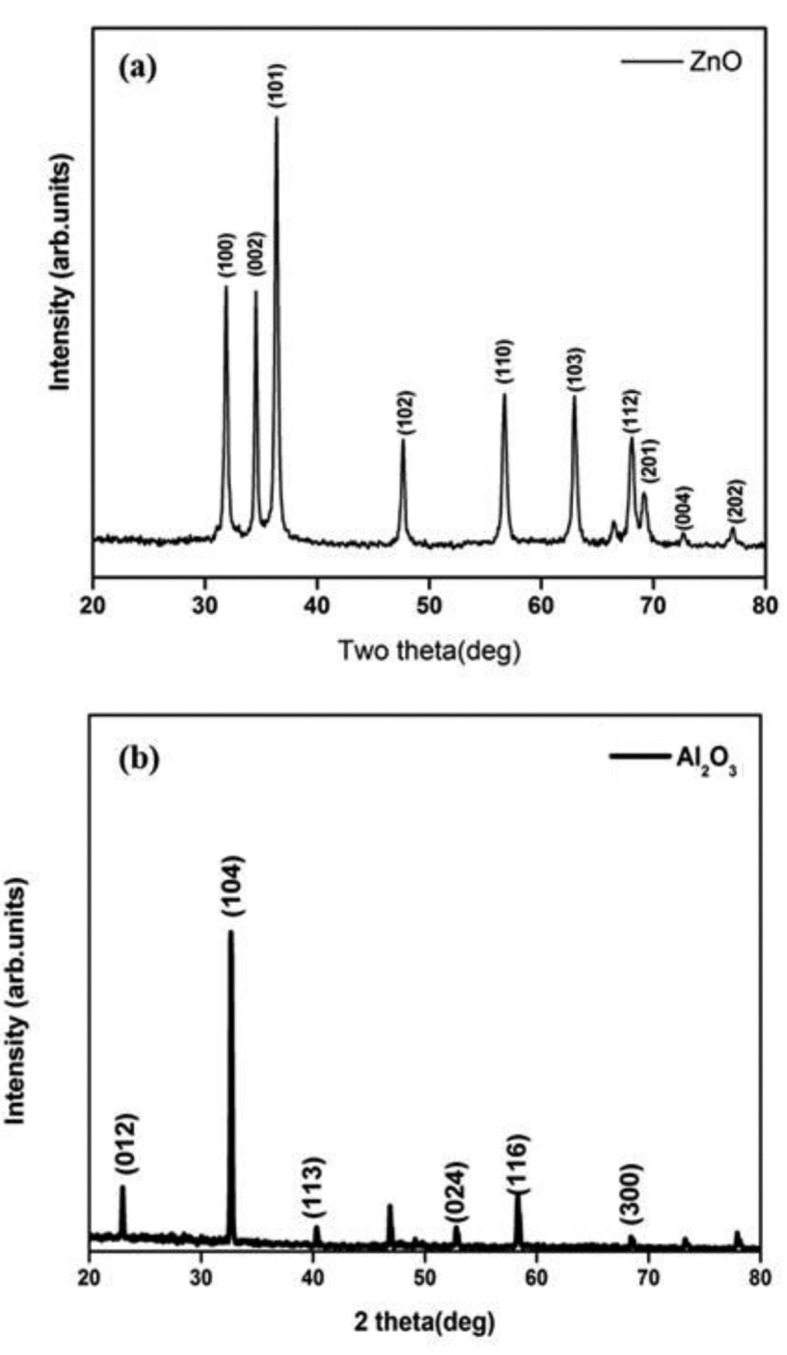
In this study, ZnO-NPs were synthesized by chemical method and ANPs synthesized by sol-gel method and were characterized using UV-Vis spectroscopy, X ray diffraction and Transmittance electron microscopy. The effects of ZnO-NPs and ANPs was determined by cell viability, membrane integrity and colony formation potentials.

RESULTS

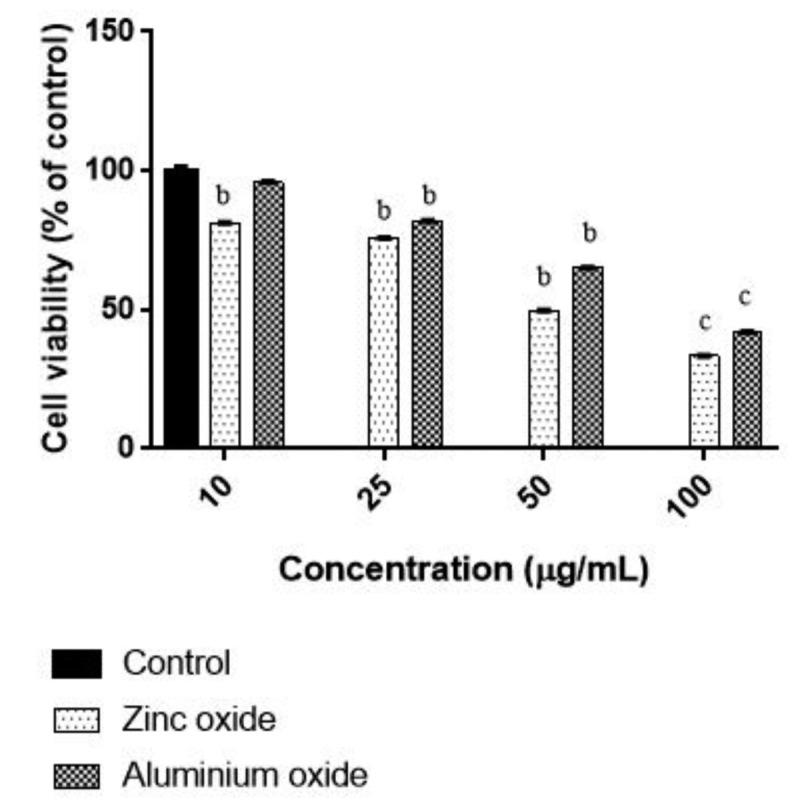
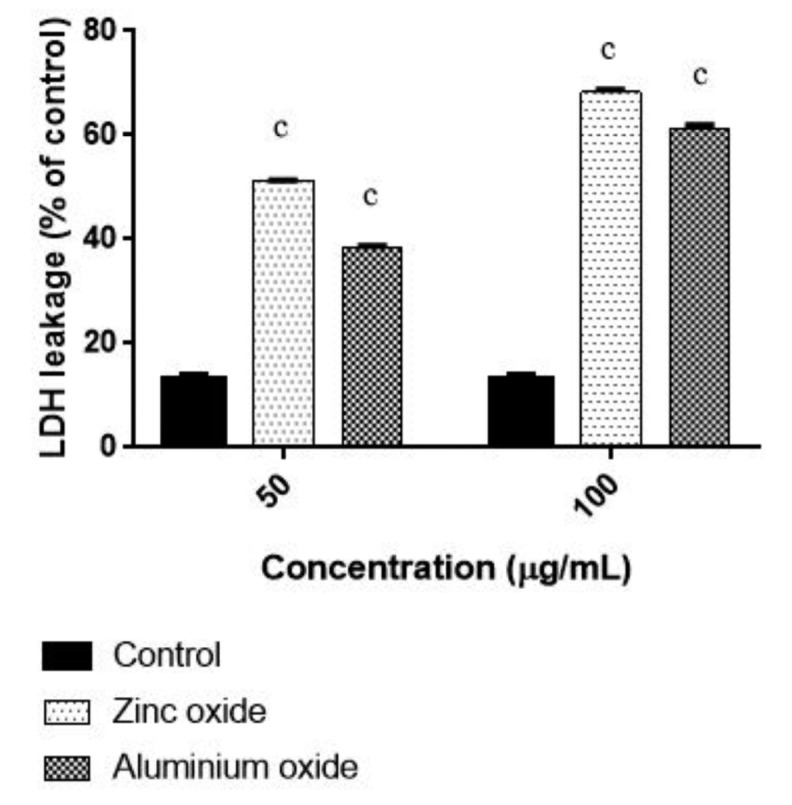
ZnO-NPs and ANPs inhibit HT29, colon cancer cell proliferation in a dose dependent manner, and affect the membrane potentials and also prevent the colony formation.

CONCLUSIONS

The results suggest that ZnO NPs are found to be more effective than ANPs in reducing colon cancer cell proliferation.

摘要

研究背景与目的

含有由氧化锌(ZnO)和氧化铝(Al2O-3)制成的纳米颗粒的商业产品的使用显著增加。这些纳米颗粒被广泛用作化妆品成分,也用于食品包装行业,尽管它们的毒性状况尚待研究。在此,我们旨在探讨氧化锌纳米颗粒(ZnO-NPs)和氧化铝纳米颗粒(ANPs)对人HT29结肠癌细胞系的影响。

方法

在本研究中,ZnO-NPs通过化学方法合成,ANPs通过溶胶-凝胶法合成,并使用紫外-可见光谱、X射线衍射和透射电子显微镜进行表征。通过细胞活力、膜完整性和集落形成潜力来确定ZnO-NPs和ANPs的作用。

结果

ZnO-NPs和ANPs以剂量依赖性方式抑制HT29结肠癌细胞增殖,并影响膜电位,还能阻止集落形成。

结论

结果表明,在减少结肠癌细胞增殖方面,ZnO NPs比ANPs更有效。
https://cdn.ncbi.nlm.nih.gov/pmc/blobs/65b9/6776199/a9eaef3b6b7b/ACTA-90-241-g007.jpg
https://cdn.ncbi.nlm.nih.gov/pmc/blobs/65b9/6776199/34874be41295/ACTA-90-241-g001.jpg
https://cdn.ncbi.nlm.nih.gov/pmc/blobs/65b9/6776199/b18c9b9c1513/ACTA-90-241-g002.jpg
https://cdn.ncbi.nlm.nih.gov/pmc/blobs/65b9/6776199/fb16a40adeb2/ACTA-90-241-g003.jpg
https://cdn.ncbi.nlm.nih.gov/pmc/blobs/65b9/6776199/20229f943f2b/ACTA-90-241-g004.jpg
https://cdn.ncbi.nlm.nih.gov/pmc/blobs/65b9/6776199/564835306381/ACTA-90-241-g005.jpg
https://cdn.ncbi.nlm.nih.gov/pmc/blobs/65b9/6776199/f8ac47975aae/ACTA-90-241-g006.jpg
https://cdn.ncbi.nlm.nih.gov/pmc/blobs/65b9/6776199/a9eaef3b6b7b/ACTA-90-241-g007.jpg
https://cdn.ncbi.nlm.nih.gov/pmc/blobs/65b9/6776199/34874be41295/ACTA-90-241-g001.jpg
https://cdn.ncbi.nlm.nih.gov/pmc/blobs/65b9/6776199/b18c9b9c1513/ACTA-90-241-g002.jpg
https://cdn.ncbi.nlm.nih.gov/pmc/blobs/65b9/6776199/fb16a40adeb2/ACTA-90-241-g003.jpg
https://cdn.ncbi.nlm.nih.gov/pmc/blobs/65b9/6776199/20229f943f2b/ACTA-90-241-g004.jpg
https://cdn.ncbi.nlm.nih.gov/pmc/blobs/65b9/6776199/564835306381/ACTA-90-241-g005.jpg
https://cdn.ncbi.nlm.nih.gov/pmc/blobs/65b9/6776199/f8ac47975aae/ACTA-90-241-g006.jpg
https://cdn.ncbi.nlm.nih.gov/pmc/blobs/65b9/6776199/a9eaef3b6b7b/ACTA-90-241-g007.jpg

相似文献

1
Comparative study on anti-proliferative potentials of zinc oxide and aluminium oxide nanoparticles in colon cancer cells.氧化锌和氧化铝纳米颗粒对结肠癌细胞抗增殖潜力的比较研究
Acta Biomed. 2019 May 23;90(2):241-247. doi: 10.23750/abm.v90i2.6939.
2
Zinc oxide nanoparticles induce apoptosis and autophagy in human ovarian cancer cells.氧化锌纳米颗粒可诱导人卵巢癌细胞发生凋亡和自噬。
Int J Nanomedicine. 2017 Sep 5;12:6521-6535. doi: 10.2147/IJN.S140071. eCollection 2017.
3
Extracellular biosynthesis of zinc oxide nanoparticles using Rhodococcus pyridinivorans NT2: multifunctional textile finishing, biosafety evaluation and in vitro drug delivery in colon carcinoma.利用嗜吡啶红球菌NT2进行氧化锌纳米颗粒的细胞外生物合成:多功能纺织品整理、生物安全性评估及结肠癌的体外药物递送
J Photochem Photobiol B. 2014 Nov;140:194-204. doi: 10.1016/j.jphotobiol.2014.08.001. Epub 2014 Aug 12.
4
Biosynthesis and characterization of zinc oxide nanoparticles from Artemisia annua and investigate their effect on proliferation, osteogenic differentiation and mineralization in human osteoblast-like MG-63 Cells.从青蒿中生物合成和表征氧化锌纳米粒子,并研究其对人成骨样 MG-63 细胞增殖、成骨分化和矿化的影响。
J Photochem Photobiol B. 2020 Jan;202:111652. doi: 10.1016/j.jphotobiol.2019.111652. Epub 2019 Oct 21.
5
Biological therapeutics of Pongamia pinnata coated zinc oxide nanoparticles against clinically important pathogenic bacteria, fungi and MCF-7 breast cancer cells.水黄皮包覆氧化锌纳米颗粒对临床重要病原菌、真菌及MCF-7乳腺癌细胞的生物治疗作用
Microb Pathog. 2017 Mar;104:268-277. doi: 10.1016/j.micpath.2017.01.029. Epub 2017 Jan 20.
6
Characterizing the inhibitory action of zinc oxide nanoparticles on allergic-type mast cell activation.表征氧化锌纳米颗粒对过敏型肥大细胞活化的抑制作用。
Mol Immunol. 2015 Aug;66(2):139-46. doi: 10.1016/j.molimm.2015.02.021. Epub 2015 Mar 12.
7
The Anti-Breast Cancer Effects of Green-Synthesized Zinc Oxide Nanoparticles Using Carob Extracts.利用角豆提取物的绿色合成氧化锌纳米粒子的抗乳腺癌作用。
Anticancer Agents Med Chem. 2021;21(3):316-326. doi: 10.2174/1871520620666200721132522.
8
Enhanced cytotoxic and genotoxic effects of gadolinium-doped ZnO nanoparticles on irradiated lung cancer cells at megavoltage radiation energies.增强型的镧系掺杂氧化锌纳米颗粒在兆伏辐射能量下对肺癌细胞的细胞毒性和遗传毒性作用。
Mater Sci Eng C Mater Biol Appl. 2019 Oct;103:109739. doi: 10.1016/j.msec.2019.109739. Epub 2019 May 9.
9
ZnO nanoparticles induced oxidative stress and apoptosis in HepG2 and MCF-7 cancer cells and their antibacterial activity.氧化锌纳米颗粒诱导肝癌细胞HepG2和乳腺癌细胞MCF-7产生氧化应激和凋亡及其抗菌活性。
Colloids Surf B Biointerfaces. 2014 May 1;117:267-76. doi: 10.1016/j.colsurfb.2014.02.038. Epub 2014 Mar 2.
10
Zinc oxide nanoparticles induce lipoxygenase-mediated apoptosis and necrosis in human neuroblastoma SH-SY5Y cells.氧化锌纳米颗粒诱导人神经母细胞瘤SH-SY5Y细胞中脂氧合酶介导的凋亡和坏死。
Neurochem Int. 2015 Nov;90:204-14. doi: 10.1016/j.neuint.2015.09.002. Epub 2015 Sep 11.

引用本文的文献

1
Cutting-edge nanotechnology: unveiling the role of zinc oxide nanoparticles in combating deadly gastrointestinal tumors.前沿纳米技术:揭示氧化锌纳米颗粒在对抗致命胃肠道肿瘤中的作用。
Front Bioeng Biotechnol. 2025 Mar 20;13:1547757. doi: 10.3389/fbioe.2025.1547757. eCollection 2025.
2
Inorganic nanoparticle-based treatment approaches for colorectal cancer: recent advancements and challenges.基于无机纳米粒子的结直肠癌治疗方法:最新进展与挑战。
J Nanobiotechnology. 2024 Jul 19;22(1):427. doi: 10.1186/s12951-024-02701-3.
3
The biomedical application of inorganic metal nanoparticles in aging and aging-associated diseases.

本文引用的文献

1
Strategies for targeted drug delivery in treatment of colon cancer: current trends and future perspectives.靶向药物递送策略在结肠癌治疗中的应用:现状与展望。
Drug Discov Today. 2017 Aug;22(8):1224-1232. doi: 10.1016/j.drudis.2017.05.006. Epub 2017 May 22.
2
Antitumor Activities of Metal Oxide Nanoparticles.金属氧化物纳米颗粒的抗肿瘤活性
Nanomaterials (Basel). 2015 Jun 9;5(2):1004-1021. doi: 10.3390/nano5021004.
3
Nanoalumina induces apoptosis by impairing antioxidant enzyme systems in human hepatocarcinoma cells.纳米氧化铝通过损害人肝癌细胞中的抗氧化酶系统诱导细胞凋亡。
无机金属纳米颗粒在衰老及衰老相关疾病中的生物医学应用。
J Adv Res. 2025 May;71:551-570. doi: 10.1016/j.jare.2024.05.023. Epub 2024 May 29.
4
Metal-based nanomaterials and nanocomposites as promising frontier in cancer chemotherapy.金属基纳米材料和纳米复合材料作为癌症化疗中前景广阔的前沿领域。
MedComm (2020). 2023 Apr 4;4(2):e253. doi: 10.1002/mco2.253. eCollection 2023 Apr.
5
MRSA compendium of epidemiology, transmission, pathophysiology, treatment, and prevention within one health framework.“同一个健康”框架下耐甲氧西林金黄色葡萄球菌的流行病学、传播、病理生理学、治疗及预防概要
Front Microbiol. 2023 Jan 10;13:1067284. doi: 10.3389/fmicb.2022.1067284. eCollection 2022.
6
Optimization of Tumor Targeting Gold Nanoparticles for Glioblastoma Applications.用于胶质母细胞瘤应用的肿瘤靶向金纳米颗粒的优化
Nanomaterials (Basel). 2022 Nov 2;12(21):3869. doi: 10.3390/nano12213869.
7
A Mini Review of Antibacterial Properties of AlO Nanoparticles.AlO纳米颗粒抗菌性能的简要综述。
Nanomaterials (Basel). 2022 Jul 30;12(15):2635. doi: 10.3390/nano12152635.
8
Assessment of the Antitumor Activity of Green Biosynthesized Zinc Nanoparticles as Therapeutic Agent Against Renal Cancer in Rats.评估绿色生物合成的氧化锌纳米粒子作为治疗大鼠肾癌的药物的抗肿瘤活性。
Biol Trace Elem Res. 2023 Jan;201(1):272-281. doi: 10.1007/s12011-022-03126-5. Epub 2022 Jan 26.
9
Encapsulation of Hydrophobic Drugs in Shell-by-Shell Coated Nanoparticles for Radio-and Chemotherapy-An In Vitro Study.用于放疗和化疗的逐壳包覆纳米颗粒中疏水性药物的包封——一项体外研究
Bioengineering (Basel). 2020 Oct 12;7(4):126. doi: 10.3390/bioengineering7040126.
10
Recent Advances in Metal Decorated Nanomaterials and Their Various Biological Applications: A Review.金属修饰纳米材料的最新进展及其各种生物学应用:综述
Front Chem. 2020 May 19;8:341. doi: 10.3389/fchem.2020.00341. eCollection 2020.
Int J Nanomedicine. 2015 May 25;10:3751-60. doi: 10.2147/IJN.S82050. eCollection 2015.
4
ZnO nanoparticles induce oxidative stress in Cloudman S91 melanoma cancer cells.氧化锌纳米粒子诱导 Cloudman S91 黑色素瘤癌细胞氧化应激。
J Biomed Nanotechnol. 2013 Mar;9(3):441-9. doi: 10.1166/jbn.2013.1593.
5
Cytotoxicity, oxidative stress, and genotoxicity in human hepatocyte and embryonic kidney cells exposed to ZnO nanoparticles.暴露于 ZnO 纳米颗粒的人肝细胞和胚胎肾细胞的细胞毒性、氧化应激和遗传毒性。
Nanoscale Res Lett. 2012 Oct 30;7(1):602. doi: 10.1186/1556-276X-7-602.
6
Zinc oxide nanoparticles selectively induce apoptosis in human cancer cells through reactive oxygen species.氧化锌纳米颗粒通过活性氧选择性诱导人癌细胞凋亡。
Int J Nanomedicine. 2012;7:845-57. doi: 10.2147/IJN.S29129. Epub 2012 Feb 21.
7
ZnO nanorod-induced apoptosis in human alveolar adenocarcinoma cells via p53, survivin and bax/bcl-2 pathways: role of oxidative stress.氧化锌纳米棒通过 p53、survivin 和 bax/bcl-2 通路诱导人肺泡腺癌细胞凋亡:氧化应激的作用。
Nanomedicine. 2011 Dec;7(6):904-13. doi: 10.1016/j.nano.2011.04.011. Epub 2011 May 19.
8
Inorganic nanoparticles in cancer therapy.癌症治疗中的无机纳米颗粒。
Pharm Res. 2011 Feb;28(2):237-59. doi: 10.1007/s11095-010-0318-0. Epub 2010 Nov 23.
9
Preferential killing of cancer cells and activated human T cells using ZnO nanoparticles.使用氧化锌纳米颗粒对癌细胞和活化的人T细胞进行选择性杀伤。
Nanotechnology. 2008 Jul 23;19(29):295103. doi: 10.1088/0957-4484/19/29/295103.
10
Fluorescent dye encapsulated ZnO particles with cell-specific toxicity for potential use in biomedical applications.具有细胞特异性毒性的荧光染料封装的氧化锌颗粒,有望用于生物医学应用。
J Mater Sci Mater Med. 2009 Jan;20(1):11-22. doi: 10.1007/s10856-008-3541-z. Epub 2008 Jul 24.