Marenzi Gaetano, Spagnuolo Gianrico, Sammartino Josè Camilla, Gasparro Roberta, Rebaudi Alberto, Salerno Marco
Department of Neurosciences, Reproductive and Odontostomatological Sciences, University of Naples "Federico II", Via Pansini 5, 80131 Naples, Italy.
Institute of Dentistry, I. M. Sechenov First Moscow State Medical University, 119146 Moscow, Russia.
Materials (Basel). 2019 May 30;12(11):1753. doi: 10.3390/ma12111753.
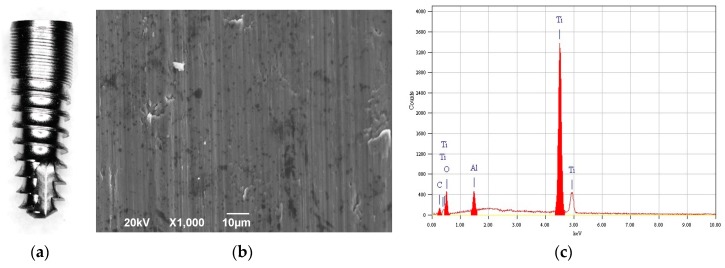
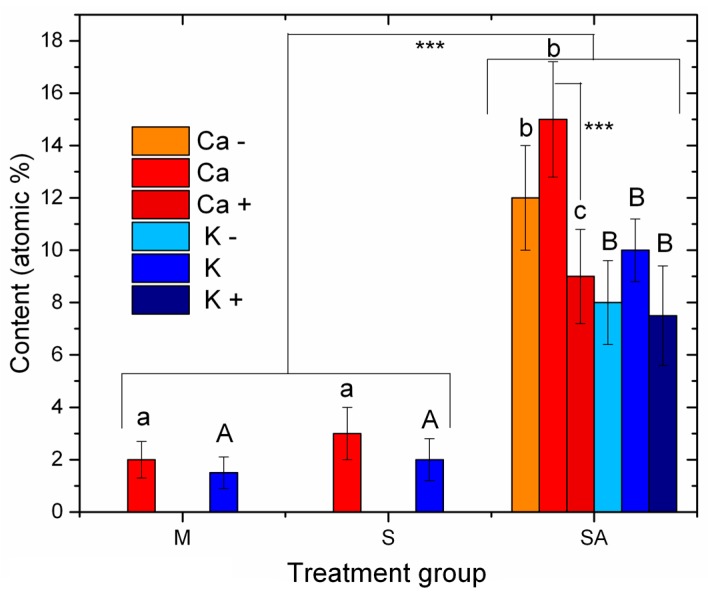
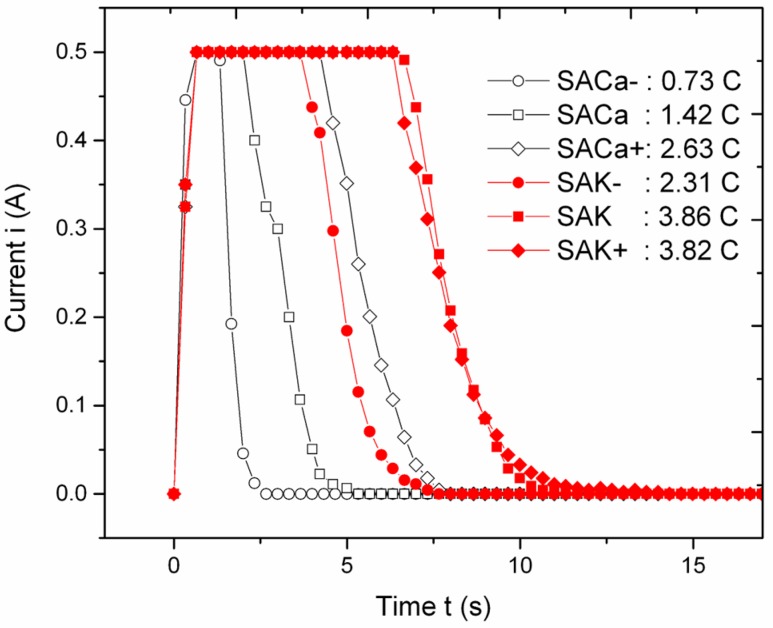
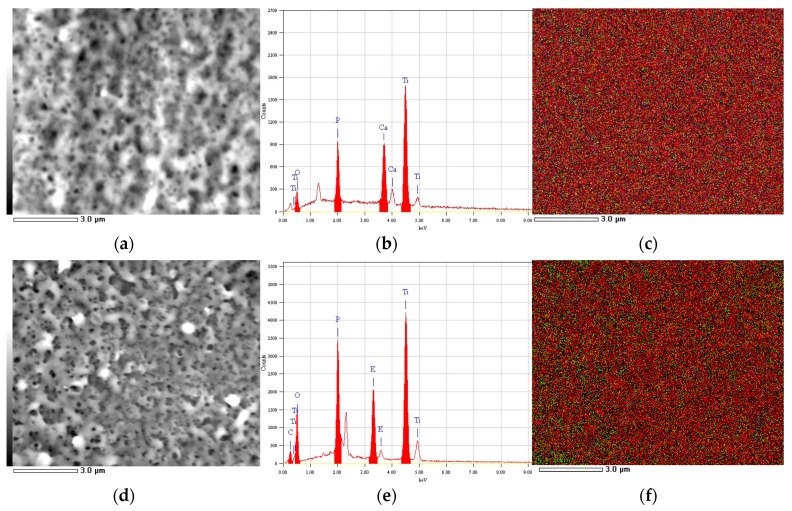
The bone-implant interface influences peri-implant bone healing and osseointegration. Among various nano-engineering techniques used for titanium surface modification, anodization is a simple, high-throughput and low-cost process, resulting in a nanoporous oxide coating which can promote osseointegration and impart antimicrobial and immunomodulatory properties. We anodized rounded tip dental implants of commercial grade titanium in aqueous phosphoric acid modified with calcium and potassium acetate, and characterized the resulting surface morphology and composition with scanning electron microscopy and energy dispersive spectrometry. The appearance of nanopores on these implants confirmed successful nanoscale morphology modification. Additionally, the metal cations of the used salts were incorporated into the porous coating together with phosphate, which can be convenient for osseointegration. The proposed method for surface nanostructuring of titanium alloy could allow for fabrication of dental implants with improved biocompatibility in the next stage of research.
骨-种植体界面影响种植体周围骨愈合和骨结合。在用于钛表面改性的各种纳米工程技术中,阳极氧化是一种简单、高通量且低成本的工艺,可形成纳米多孔氧化物涂层,该涂层可促进骨结合并赋予抗菌和免疫调节特性。我们在添加了钙和醋酸钾的磷酸水溶液中对商业级钛制成的圆头牙科种植体进行阳极氧化,并用扫描电子显微镜和能量色散光谱对所得表面形态和成分进行表征。这些种植体上纳米孔的出现证实了纳米级形态改性的成功。此外,所用盐的金属阳离子与磷酸盐一起掺入多孔涂层中,这有利于骨结合。所提出的钛合金表面纳米结构化方法可在下一步研究中用于制造具有改善生物相容性的牙科种植体。