Irfan M F, Hossain S M Z, Khalid H, Sadaf F, Al-Thawadi S, Alshater A, Hossain M M, Razzak S A
Department of Chemical Engineering, College of Engineering, University of Bahrain, Bahrain.
Department of Biology, College of Sciences, University of Bahrain, Bahrain.
Biotechnol Rep (Amst). 2019 Jun 26;23:e00356. doi: 10.1016/j.btre.2019.e00356. eCollection 2019 Sep.
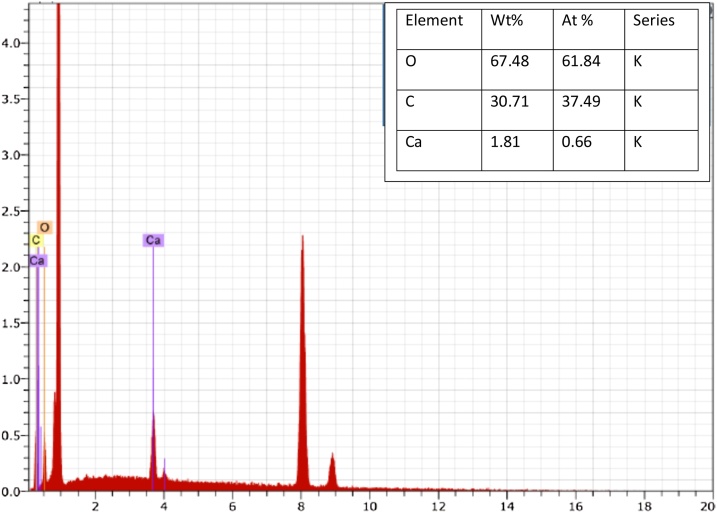
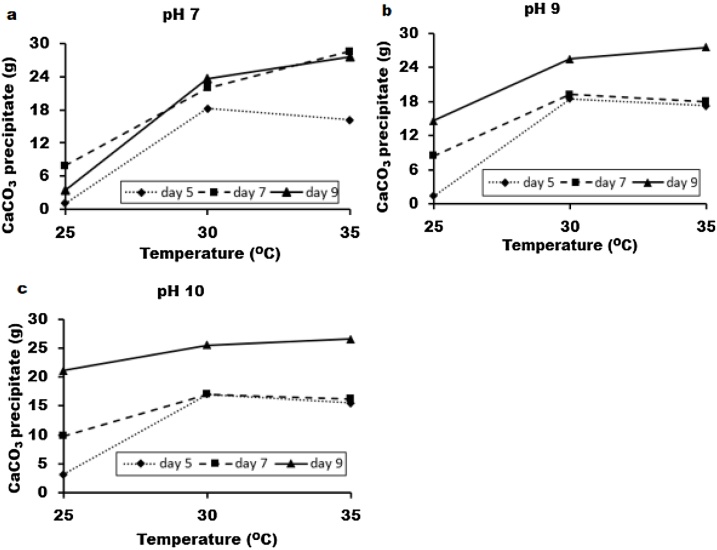
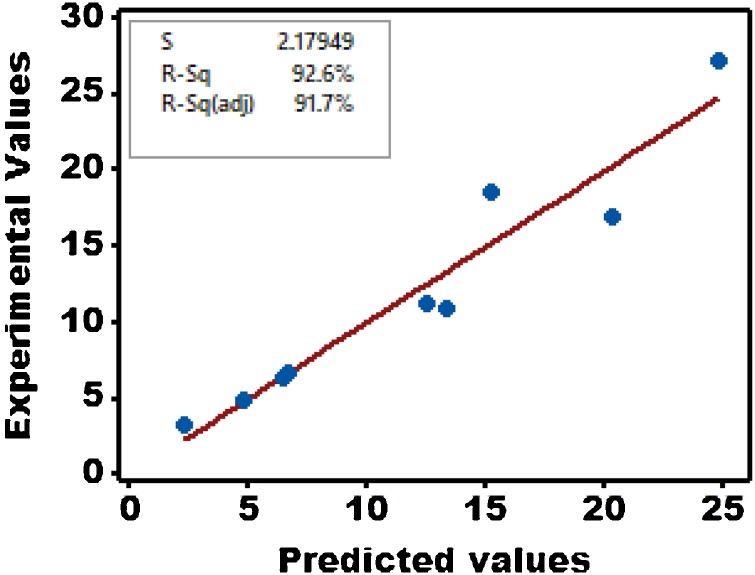
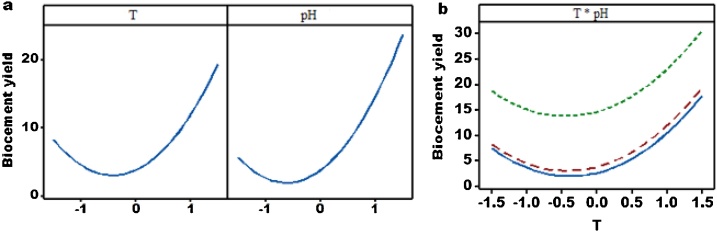
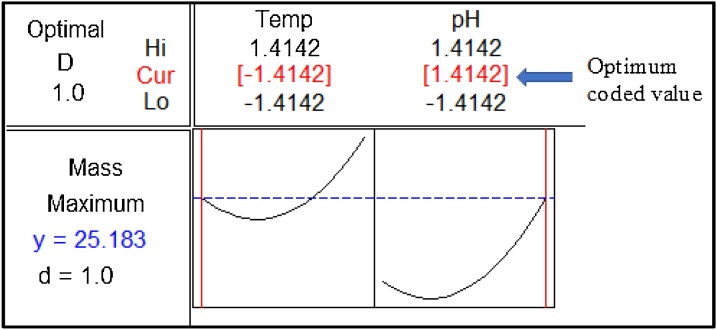
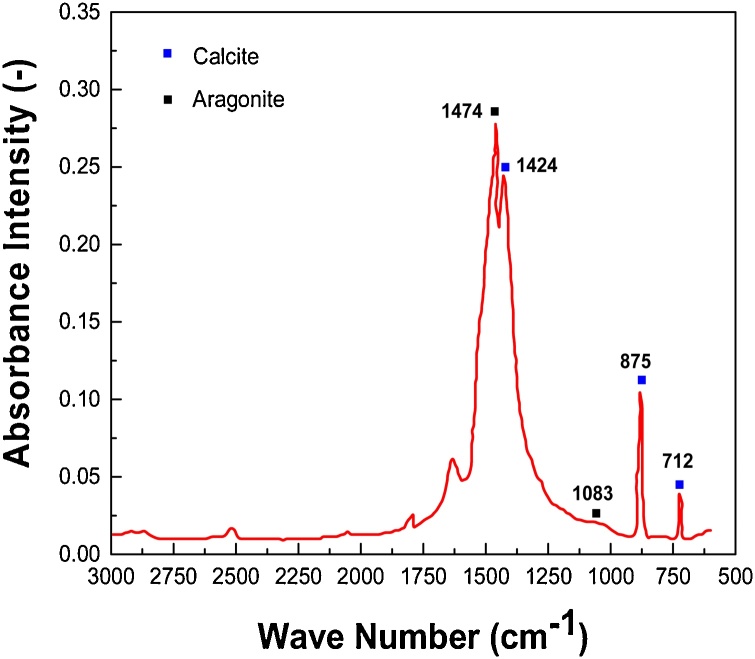
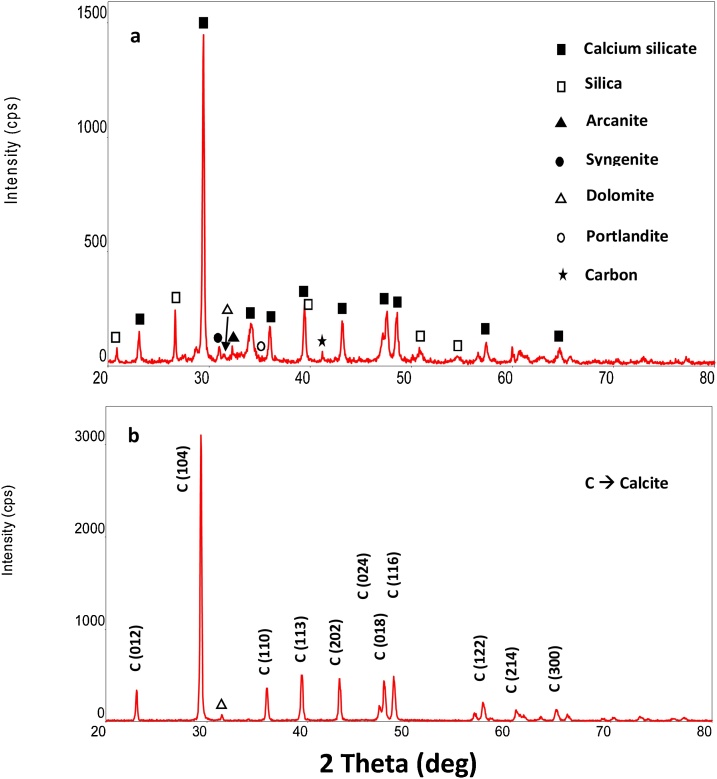
The main aim of this study was to maximize bio-cement (CaCO) production through a waste feedstock of cement kiln dust (CKD) as a source of calcium by deployment of microalgae sp. The effect of process parameters such as temperature, pH and time-intervals of microalgae cultivation, were set as criteria that ultimately subscribe to a process of optimization. In this regard, a single factor experiments integrated with response surface methodology (RSM) via central composite design (CCD) was considered. A quadratic model was developed to predict the maximum CaCO yield. A ceiling of 25.18 g CaCO yield was obtained at an optimal set of 23 °C, pH of 10.63 and day-9 of microalgae culture. Under these optimized conditions, maximum 96% calcium was extracted from CKD. FTIR, XRD and EDS analyses were conducted to characterize the CaCO precipitates. Compressive modes of mechanical testing seemed to hold conventional cement complimented by CaCO co-presence markedly superior to mere cement performance as far as compressive strength is concerned. The latter criterion exhibited further increase in correspondence with rise in cement to bio-cement ratio. This investigative endeavour at hand offers a simple pivotal platform on the basis of which a scale-up of microalgae-infested bio-cement production might be facilitated in conjunction with the added benefit of alleviation in environmental pollution through cement waste utilization.
本研究的主要目的是通过利用水泥窑灰(CKD)这种含钙的废弃原料,借助微藻菌种来最大化生物水泥(CaCO)的产量。微藻培养的温度、pH值和时间间隔等工艺参数的影响被设定为最终促成优化过程的标准。在这方面,考虑了通过中心复合设计(CCD)将单因素实验与响应面方法(RSM)相结合。开发了一个二次模型来预测CaCO的最大产量。在23°C、pH值为10.63和微藻培养第9天的最佳条件下,获得了25.18克CaCO产量的上限。在这些优化条件下,从CKD中提取的钙最多可达96%。进行了傅里叶变换红外光谱(FTIR)、X射线衍射(XRD)和能谱分析(EDS)来表征CaCO沉淀物。就抗压强度而言,机械测试的压缩模式似乎表明,在CaCO共存的情况下,传统水泥的抗压性能明显优于单纯水泥。随着水泥与生物水泥比例的增加,后一标准进一步提高。目前的这项研究努力提供了一个简单的关键平台,在此基础上,可以促进大规模生产微藻生物水泥,同时还能通过利用水泥废料减少环境污染。