Arya Sagar S, Sharma Mansi M, Das Ratul K, Rookes James, Cahill David, Lenka Sangram K
TERI-Deakin Nanobiotechnology Centre, Gurgaon, Haryana, 122001, India.
Deakin University, School of Life and Environmental Sciences, Waurn Ponds Campus, Geelong, Victoria, 3216, Australia.
Heliyon. 2019 Jul 1;5(7):e02021. doi: 10.1016/j.heliyon.2019.e02021. eCollection 2019 Jul.
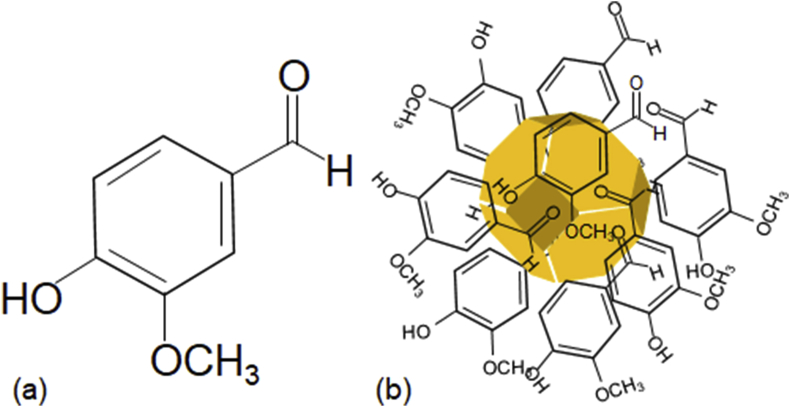
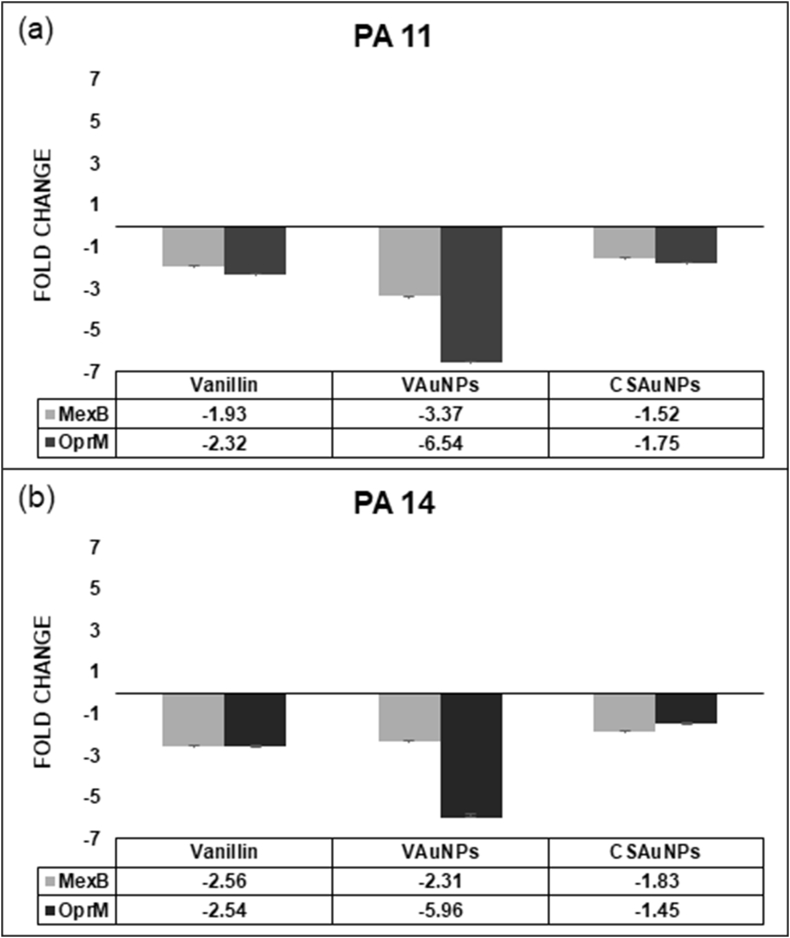
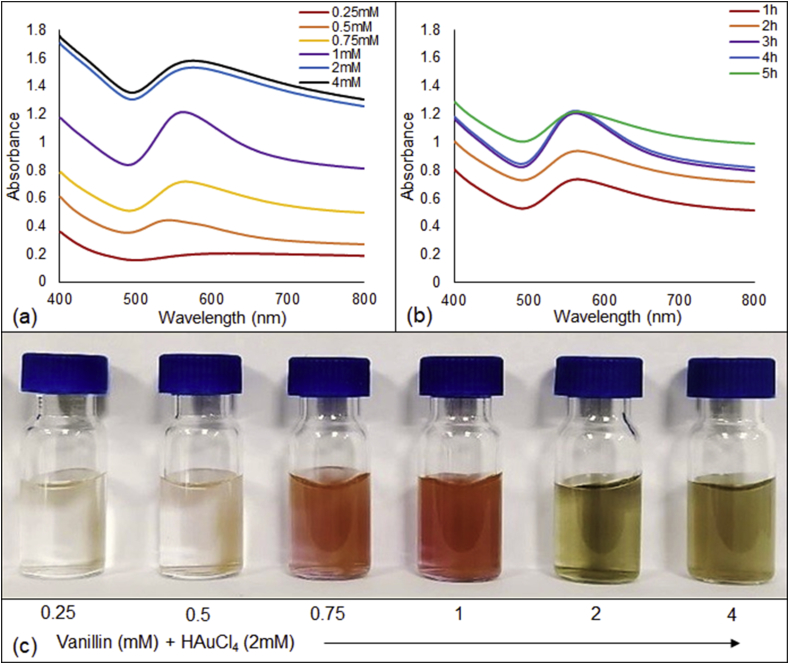
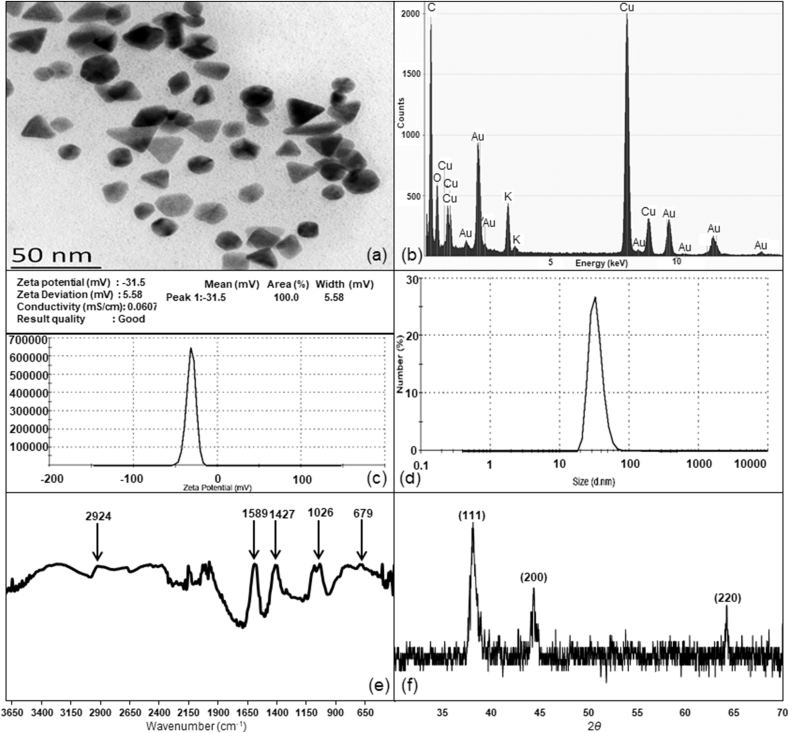
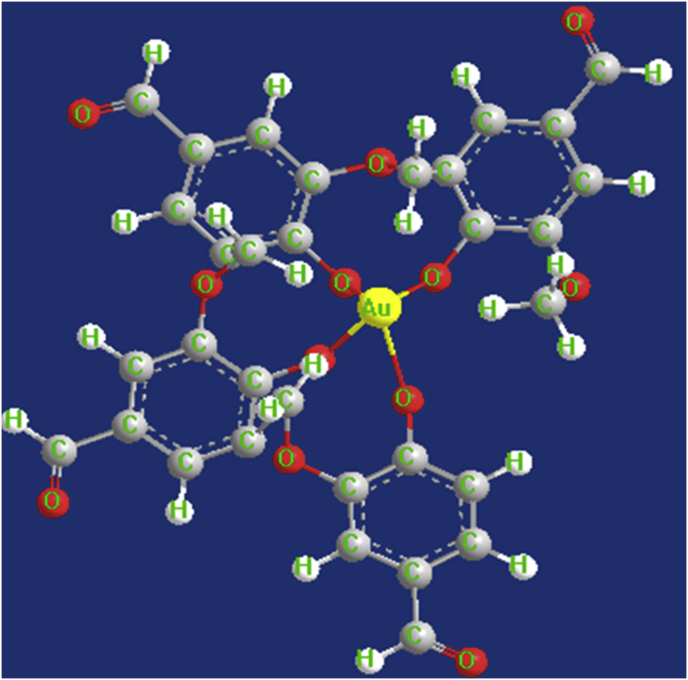
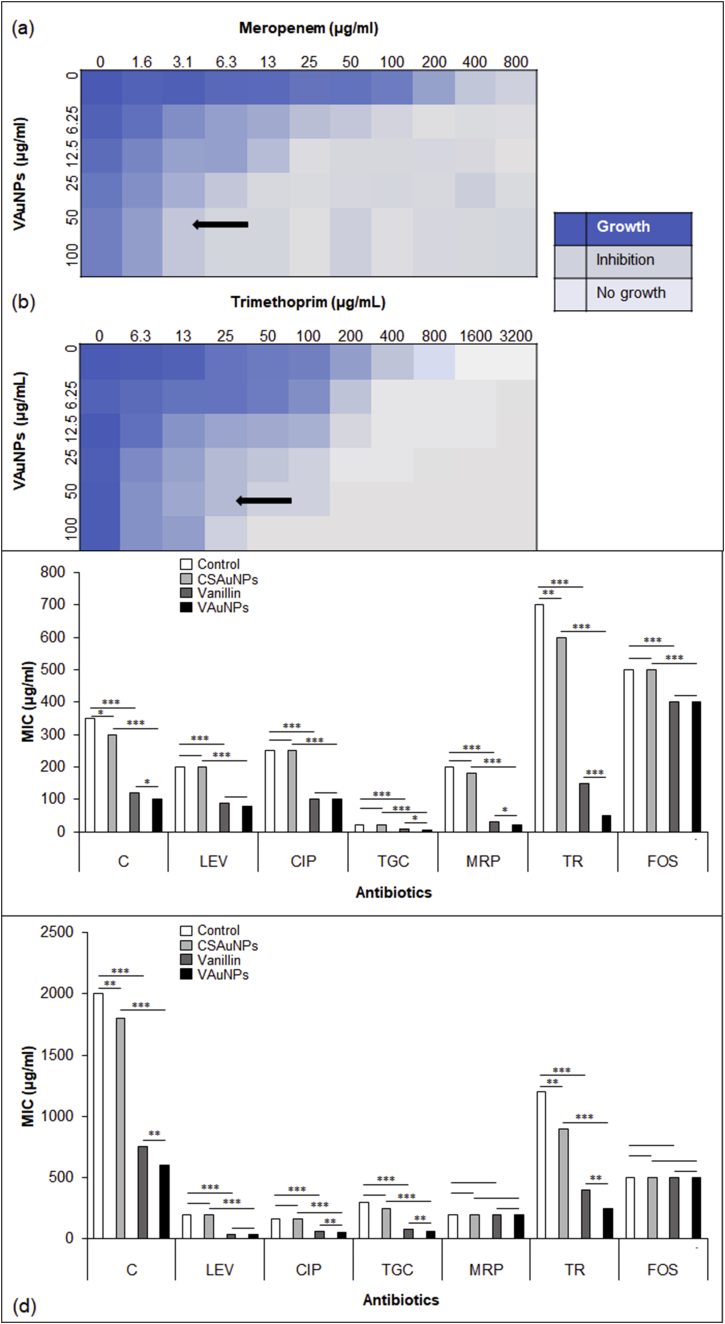
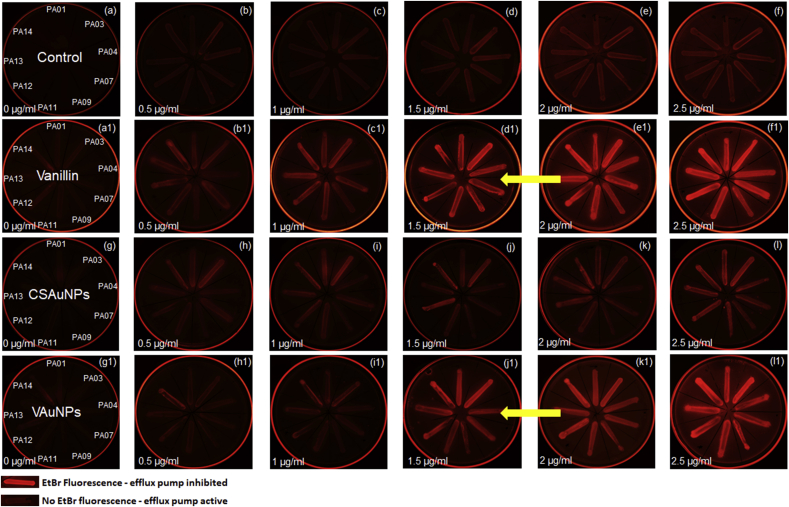
Antimicrobial resistance (AMR) is a serious concern in pathogenic bacteria. As a new approach to addressing AMR, we report here the green synthesis of vanillin capped gold nanoparticles (VAuNPs) using the popular flavouring molecule vanillin (CHO) as a reducing and capping agent. Physicochemical characterization revealed that the synthesised VAuNPs were stable and crystalline in nature. VAuNPs were non-bactericidal even at high concentration (>2000 μg/ml). The antibiotic potentiation activity was studied in combination with seven widely used antibiotics against extremely drug resistant (XDR) . Major reductions in minimum inhibitory concentrations (MIC, 10-14-folds) of the antibiotics meropenem (10 fold) and trimethoprim (14 fold) were observed in the presence of VAuNPs (50 μg/ml). Furthermore, it was found that VAuNPs in combination with meropenem or trimethoprim provided 1.5-3-fold better potentiation effects than that of vanillin alone. Use of an ethidium bromide agar cart wheel assay indicated that VAuNPs can block the activity of efflux pumps. High reduction in the MIC of antibiotics was therefore attributed to the efflux pump repression activity of VAuNPs. Further, RT-qPCR of clinically relevant MexAB-OprM efflux pump components showed down-regulation in and transcripts in VAuNPs treated clinical isolates. Our results reveal that VAuNPs impart susceptibility to the last line antibiotics meropenem, trimethoprim and few widely used antibiotics in XDR clinical isolates that display resistance to these antibiotics. Therefore, this study indicate the ability of VAuNPs and vanillin to be used as antibiotic adjuvants for inhibiting bacterial efflux pumps to potentiate antibiotics for addressing AMR problem affecting human health and environment.
抗菌耐药性(AMR)是病原菌中的一个严重问题。作为解决AMR的一种新方法,我们在此报告使用常见调味分子香草醛(CHO)作为还原剂和封端剂,绿色合成香草醛封端的金纳米颗粒(VAuNPs)。物理化学表征表明,合成的VAuNPs在性质上是稳定且结晶的。即使在高浓度(>2000μg/ml)下,VAuNPs也无杀菌作用。研究了VAuNPs与七种广泛使用的抗生素联合对极耐药(XDR)菌的抗生素增强活性。在存在VAuNPs(50μg/ml)的情况下,观察到美罗培南(10倍)和甲氧苄啶(14倍)这两种抗生素的最低抑菌浓度(MIC)大幅降低(10 - 14倍)。此外,发现VAuNPs与美罗培南或甲氧苄啶联合使用比单独使用香草醛提供了1.5 - 3倍更好的增强效果。使用溴化乙锭琼脂车轮试验表明,VAuNPs可以阻断外排泵的活性。因此,抗生素MIC的大幅降低归因于VAuNPs的外排泵抑制活性。此外,对临床相关的MexAB - OprM外排泵组件进行的RT - qPCR显示,在经VAuNPs处理的临床分离株中,和转录本下调。我们的结果表明,VAuNPs使对这些抗生素耐药的XDR临床分离株对最后一线抗生素美罗培南、甲氧苄啶以及少数广泛使用的抗生素产生敏感性。因此,本研究表明VAuNPs和香草醛能够用作抗生素佐剂,通过抑制细菌外排泵来增强抗生素,以解决影响人类健康和环境的AMR问题。