Carneiro Clara Vida G C, de Paula E Silva Flávia Cristina, Almeida João R M
Laboratory of Genetics and Biotechnology, Embrapa Agroenergy, Brasilia 70770-901, Brazil.
Graduate Program of Microbial Biology, Department of Cell Biology, Institute of Biology, University of Brasilia, Brasilia 70910-900, Brazil.
Microorganisms. 2019 Oct 23;7(11):484. doi: 10.3390/microorganisms7110484.
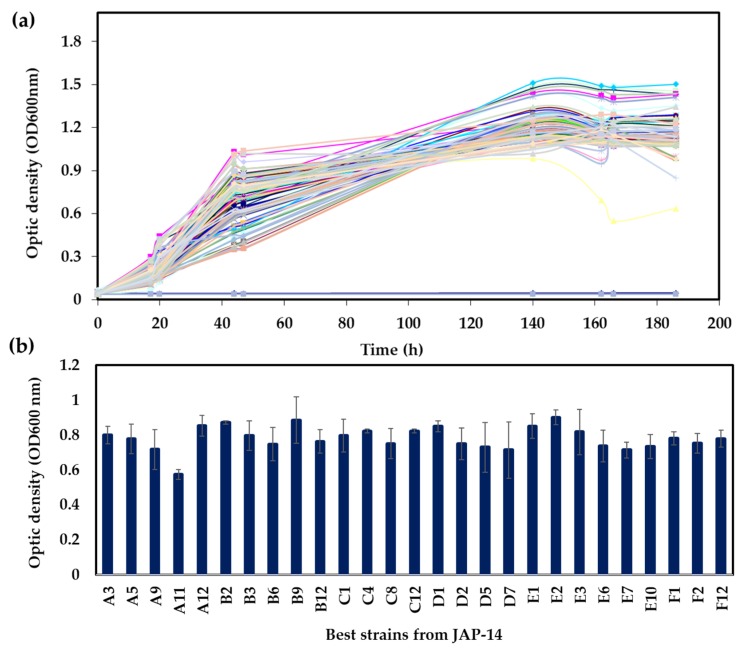
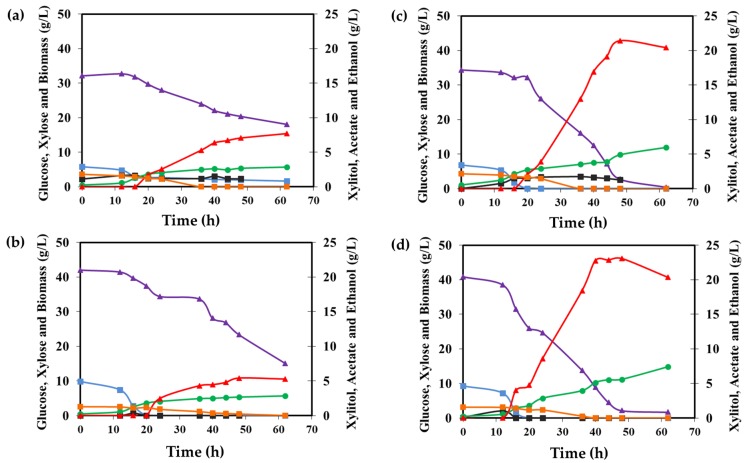
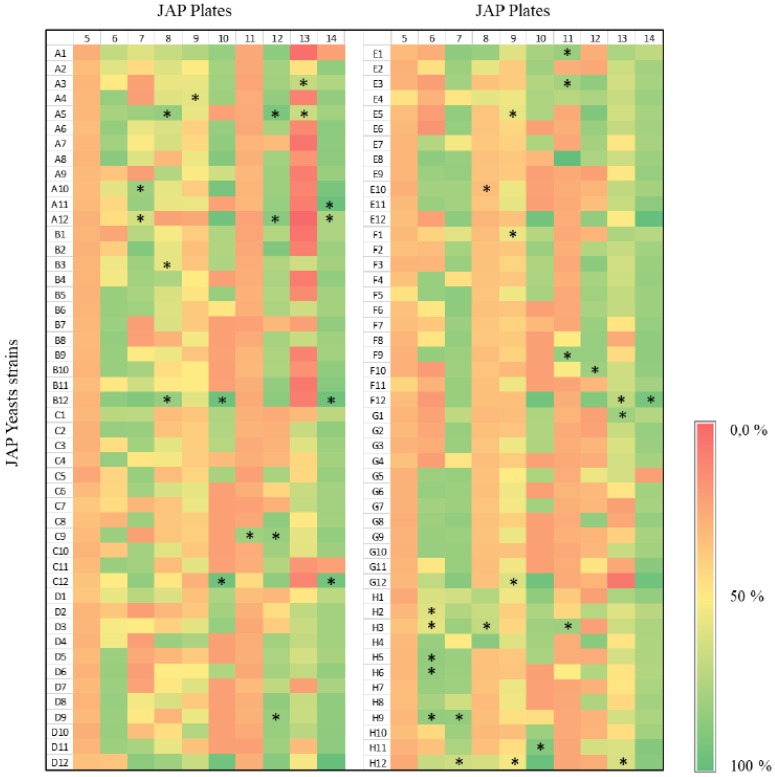
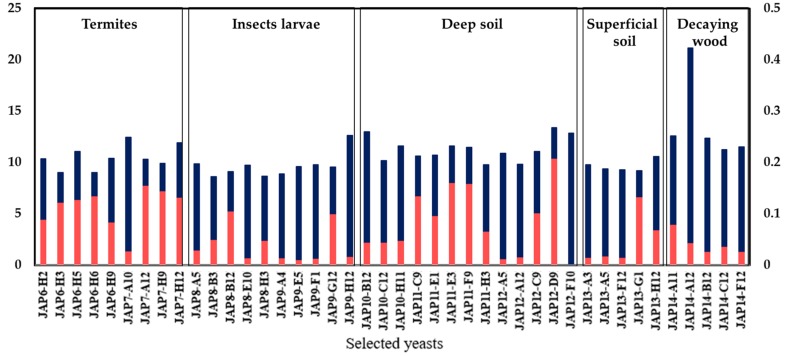
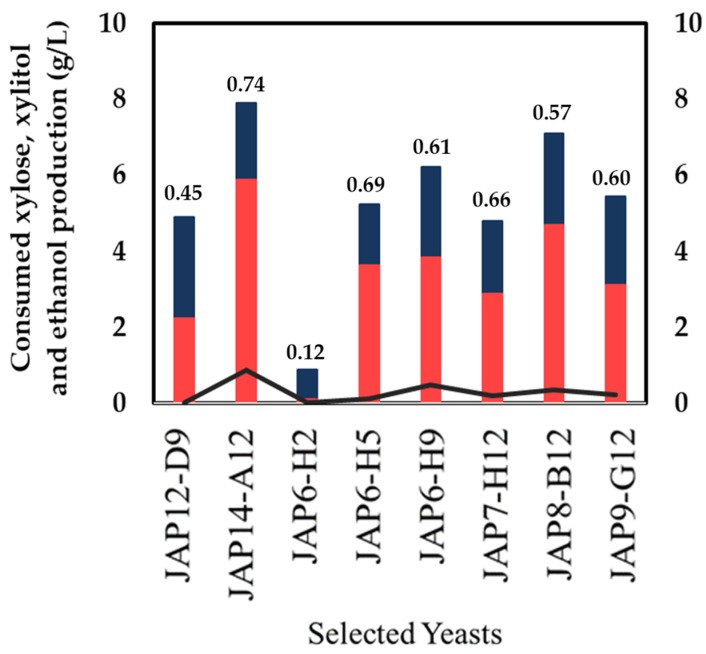
Xylitol is a sugar alcohol with five carbons that can be used in the pharmaceutical and food industries. It is industrially produced by chemical route; however, a more economical and environmentally friendly production process is of interest. In this context, this study aimed to select wild yeasts able to produce xylitol and compare their performance in sugarcane bagasse hydrolysate. For this, 960 yeast strains, isolated from soil, wood, and insects have been prospected and selected for the ability to grow on defined medium containing xylose as the sole carbon source. A total of 42 yeasts was selected and their profile of sugar consumption and metabolite production were analyzed in microscale fermentation. The six best xylose-consuming strains were molecularly identified as spp The fermentative kinetics comparisons on defined medium and on sugarcane bagasse hydrolysate showed physiological differences among these strains. Production yields vary from Y = 0.25 g/g to Y = 0.34 g/g in defined medium and from Y = 0.41 g/g to Y = 0.60 g/g in the hydrolysate. Then, the xylitol production performance of the best xylose-consuming strain obtained in the screening, which was named B12, was compared with the previously reported xylitol producing yeasts A3, sp. JA1, and 740 in sugarcane bagasse hydrolysate under oxygen-limited conditions. All the yeasts were able to metabolize xylose, but 740 showed the highest xylitol production yield, reaching a maximum of 0.83 g xylitol/g of xylose in hydrolysate. The screening strategy allowed identification of a new strain that efficiently grows in xylose even in hydrolysate with a high content of acetic acid (~6 g/L). In addition, this study reports, for the first time, a high-efficient xylitol producing strain of , which achieved, to the best of our knowledge, one of the highest xylitol production yields in hydrolysate reported in the literature.
木糖醇是一种含五个碳原子的糖醇,可用于制药和食品工业。它通过化学途径进行工业生产;然而,人们对更经济、环保的生产工艺感兴趣。在此背景下,本研究旨在筛选能够生产木糖醇的野生酵母,并比较它们在甘蔗渣水解液中的性能。为此,已对从土壤、木材和昆虫中分离出的960株酵母菌株进行了勘探,并根据其在以木糖为唯一碳源的限定培养基上生长的能力进行了筛选。总共筛选出42株酵母,并在微型发酵中分析了它们的糖消耗和代谢产物产生情况。通过分子鉴定,将六株最佳木糖消耗菌株鉴定为 spp。在限定培养基和甘蔗渣水解液上的发酵动力学比较表明,这些菌株之间存在生理差异。在限定培养基中,产量从Y = 0.25 g/g到Y = 0.34 g/g不等,在水解液中从Y = 0.41 g/g到Y = 0.60 g/g不等。然后,将筛选中获得的最佳木糖消耗菌株(命名为 B12)的木糖醇生产性能与先前报道的木糖醇生产酵母 A3、 sp. JA1和 740在氧气受限条件下的甘蔗渣水解液中的性能进行了比较。所有酵母都能够代谢木糖,但 740显示出最高的木糖醇产量,在水解液中最高可达0.83 g木糖醇/g木糖。该筛选策略使得能够鉴定出一种新的 菌株,该菌株即使在乙酸含量高(约6 g/L)的水解液中也能在木糖上高效生长。此外,本研究首次报道了一种高效生产木糖醇的 菌株,据我们所知,该菌株在水解液中的木糖醇产量是文献报道中最高的之一。