Department of Physical Education and Research Institute of Biomedical and Health Sciences (IUIBS), University of Las Palmas de Gran Canaria, Campus Universitario de Tafira, s/n, 35017 Las Palmas de Gran Canaria, Canary Islands, Spain.
Department of Biomedical Sciences, Faculty of Medicine and Health Sciences, University of Alcalá, Ctra. Madrid-Barcelona, km 33,600, 28871 Alcalá de Henares, Madrid, Spain.
Nutrients. 2019 Nov 19;11(11):2824. doi: 10.3390/nu11112824.
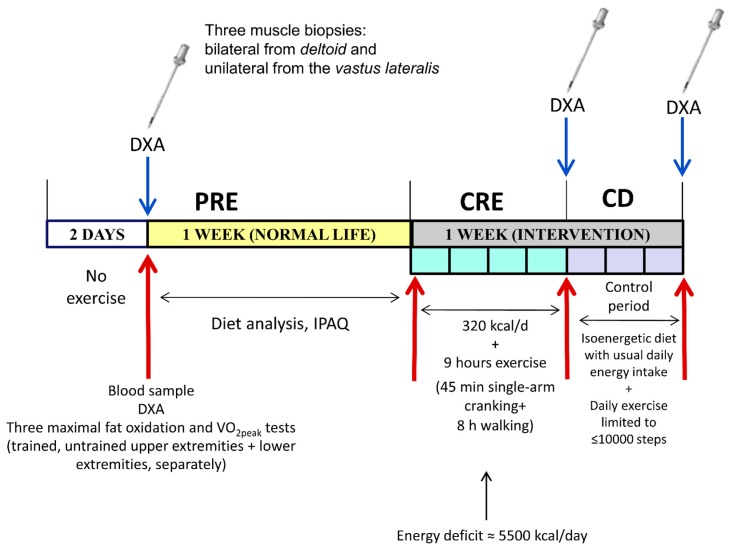
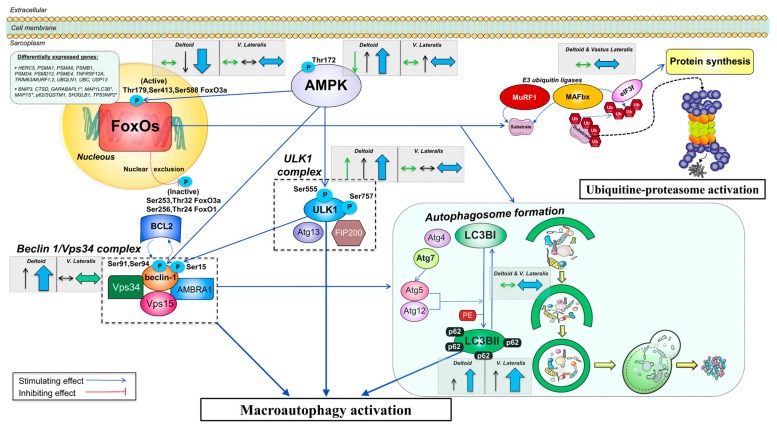
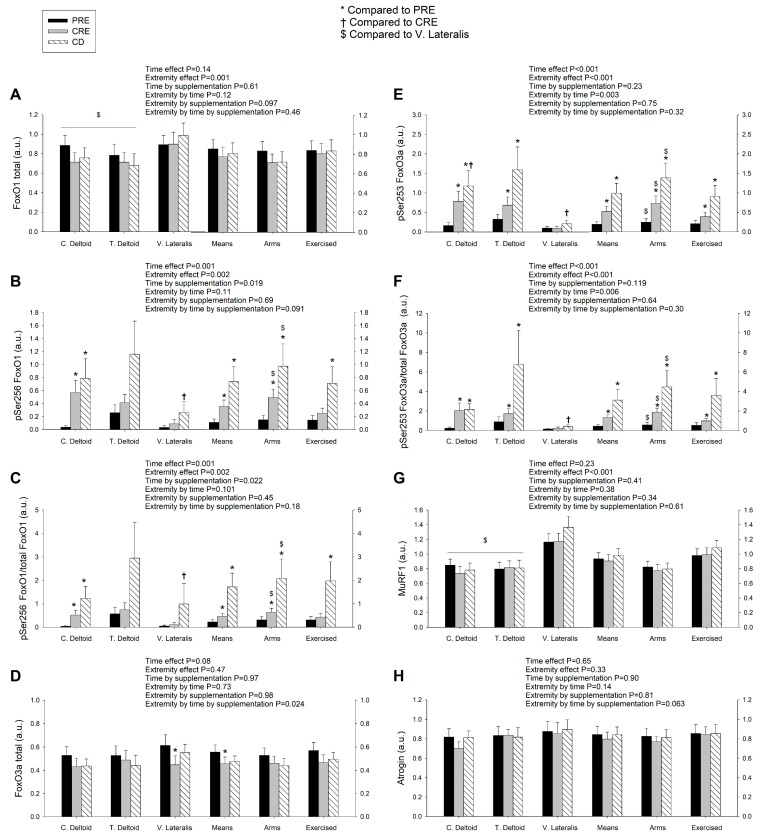
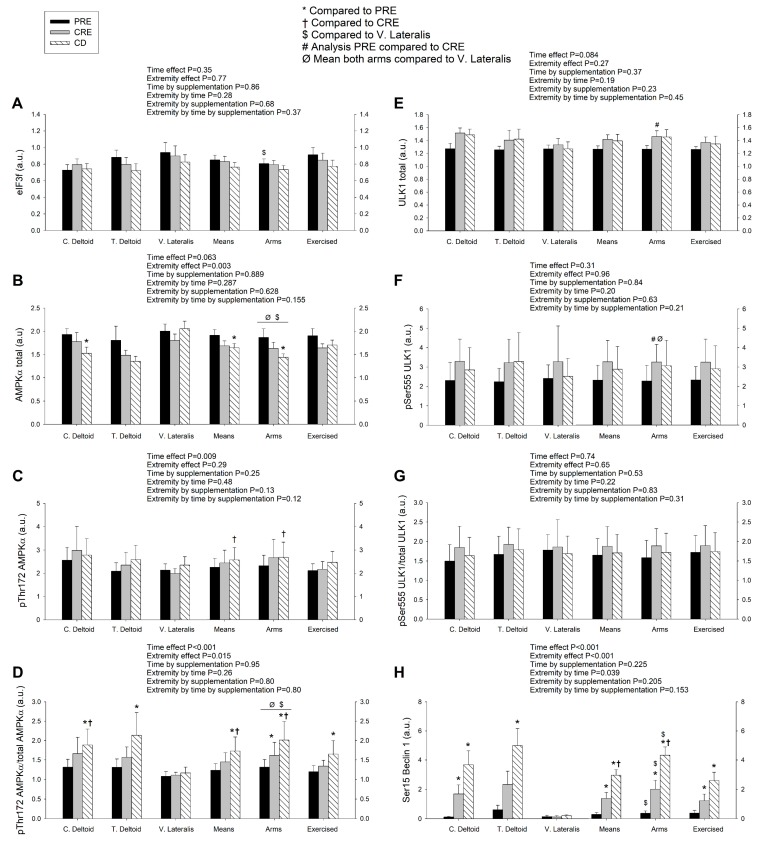
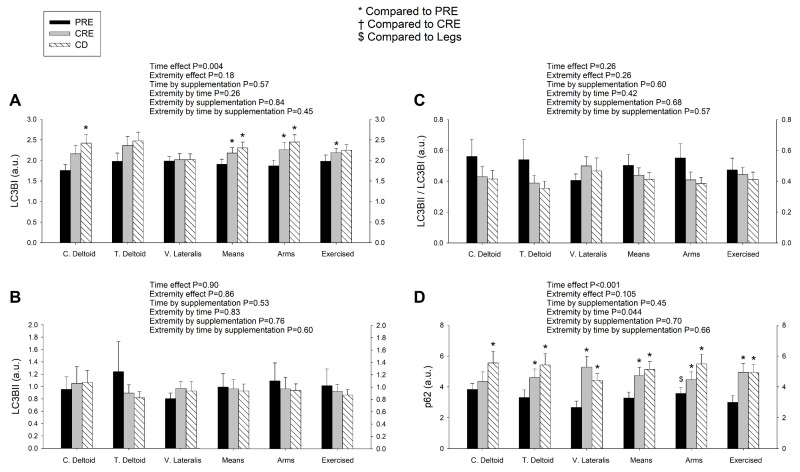
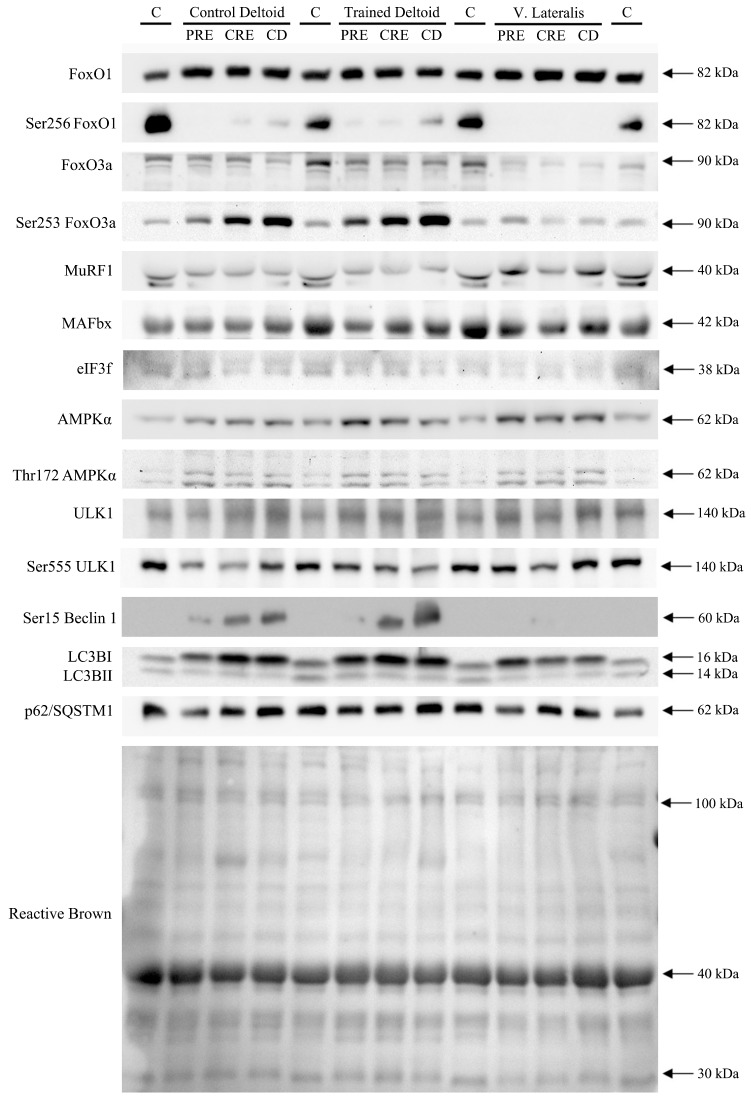
The loss of skeletal muscle mass with energy deficit is thought to be due to protein breakdown by the autophagy-lysosome and the ubiquitin-proteasome systems. We studied the main signaling pathways through which exercise can attenuate the loss of muscle mass during severe energy deficit (5500 kcal/day). Overweight men followed four days of caloric restriction (3.2 kcal/kg body weight day) and prolonged exercise (45 min of one-arm cranking and 8 h walking/day), and three days of control diet and restricted exercise, with an intra-subject design including biopsies from muscles submitted to distinct exercise volumes. Gene expression and signaling data indicate that the main catabolic pathway activated during severe energy deficit in skeletal muscle is the autophagy-lysosome pathway, without apparent activation of the ubiquitin-proteasome pathway. Markers of autophagy induction and flux were reduced by exercise primarily in the muscle submitted to an exceptional exercise volume. Changes in signaling are associated with those in circulating cortisol, testosterone, cortisol/testosterone ratio, insulin, BCAA, and leucine. We conclude that exercise mitigates the loss of muscle mass by attenuating autophagy activation, blunting the phosphorylation of AMPK/ULK1/Beclin1, and leading to p62/SQSTM1 accumulation. This includes the possibility of inhibiting autophagy as a mechanism to counteract muscle loss in humans under severe energy deficit.
能量不足导致的骨骼肌质量损失被认为是由于自噬溶酶体和泛素-蛋白酶体系统的蛋白质分解所致。我们研究了运动可以减轻严重能量不足(每天 5500 千卡)期间肌肉质量损失的主要信号通路。超重男性遵循四天的热量限制(每天 3.2 千卡/公斤体重)和长时间运动(每天 45 分钟单臂曲柄和 8 小时步行),以及三天的对照饮食和限制运动,采用包括肌肉活检的个体内设计,这些肌肉接受了不同的运动量。基因表达和信号数据表明,在骨骼肌严重能量不足期间激活的主要分解代谢途径是自噬溶酶体途径,而泛素-蛋白酶体途径没有明显激活。运动主要减少了异常运动体积肌肉中自噬的诱导和通量标志物。信号的变化与循环皮质醇、睾酮、皮质醇/睾酮比、胰岛素、支链氨基酸和亮氨酸的变化相关。我们得出结论,运动通过减轻自噬的激活来减轻肌肉质量的损失,减弱 AMPK/ULK1/Beclin1 的磷酸化,并导致 p62/SQSTM1 的积累。这包括作为一种抑制自噬的机制来抵消人类在严重能量不足下肌肉损失的可能性。