Department of Anesthesiology, Faculty of Medicine, University of Yamanashi, Yamanashi, Japan; Kirby Neurobiology Center, Boston Children's Hospital, Harvard Medical School, Boston, USA.
Department of Anesthesiology, Faculty of Medicine, University of Yamanashi, Yamanashi, Japan.
J Hosp Infect. 2020 Apr;104(4):534-537. doi: 10.1016/j.jhin.2019.11.010. Epub 2019 Nov 20.
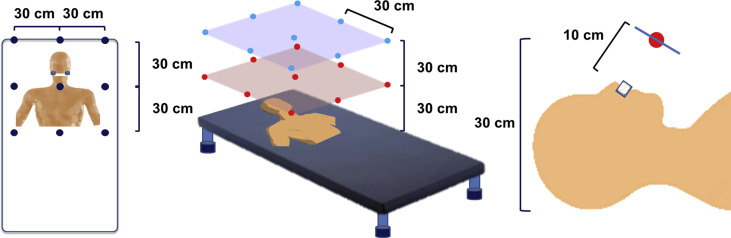
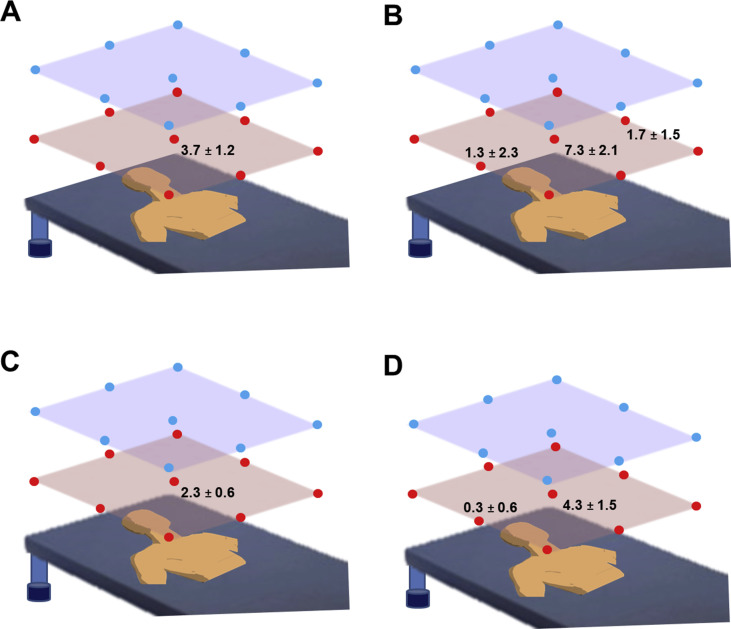
High-flow nasal therapy is increasingly used in hospitals because of its effectiveness and patient comfort. However, pathogens in the patient's nasal and oral cavities may be dispersed by forced air. This study aimed to investigate the risk of pathogen dispersal during high-flow nasal therapy. Liquid and bacterial dispersal were assessed via in-vitro experimental set-ups using a manikin. Thickened water or fresh yeast solution mimicked saliva and nasal mucus secretions. Dispersal was limited to the proximal area of the face and nasal cannula, suggesting that high-flow nasal therapy does not increase the risk of droplet and contact infection.
高流量鼻氧疗法因其有效性和患者舒适度而在医院中得到越来越多的应用。然而,患者鼻腔和口腔中的病原体可能会被强制空气吹散。本研究旨在探讨高流量鼻氧疗法过程中病原体传播的风险。通过使用人工模型的体外实验装置评估了液体和细菌的扩散情况。增稠水或新鲜酵母溶液模拟唾液和鼻腔粘液分泌物。扩散仅限于面部和鼻氧管的近端区域,这表明高流量鼻氧疗法不会增加飞沫和接触感染的风险。