Carneiro Pedro, Morais Simone, Pereira Maria Carmo
LEPABE-Laboratory for Process Engineering, Environment, Biotechnology and Energy, Faculty of Engineering, University of Porto, Rua Dr. Roberto Frias, 4200-465 Porto, Portugal.
REQUIMTE-LAQV, Instituto Superior de Engenharia do Porto, Instituto Politécnico do Porto, R. Dr. António Bernardino de Almeida 431, 4200-072 Porto, Portugal.
Nanomaterials (Basel). 2019 Nov 22;9(12):1663. doi: 10.3390/nano9121663.
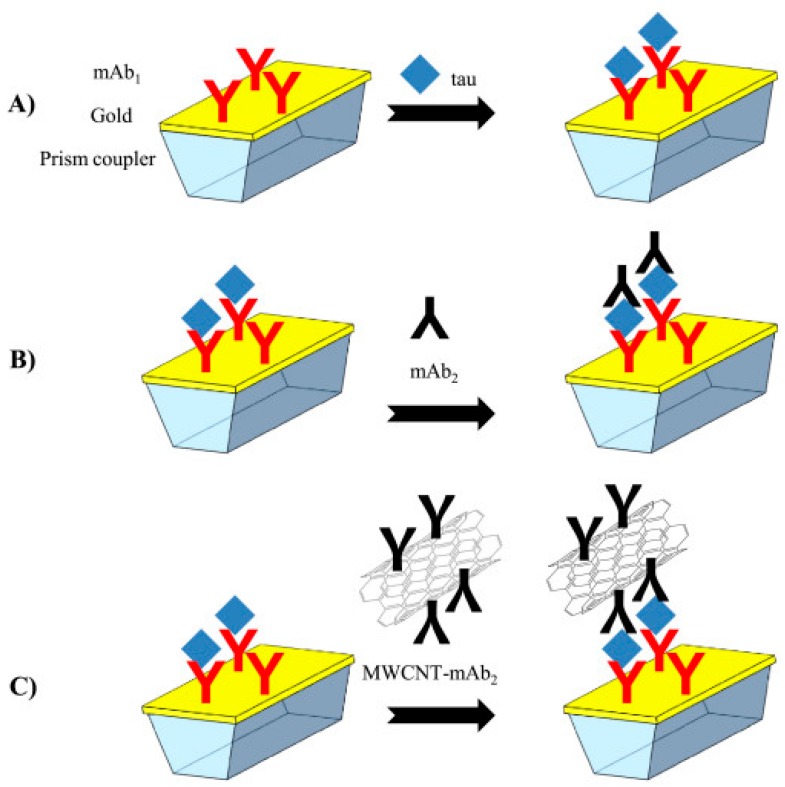
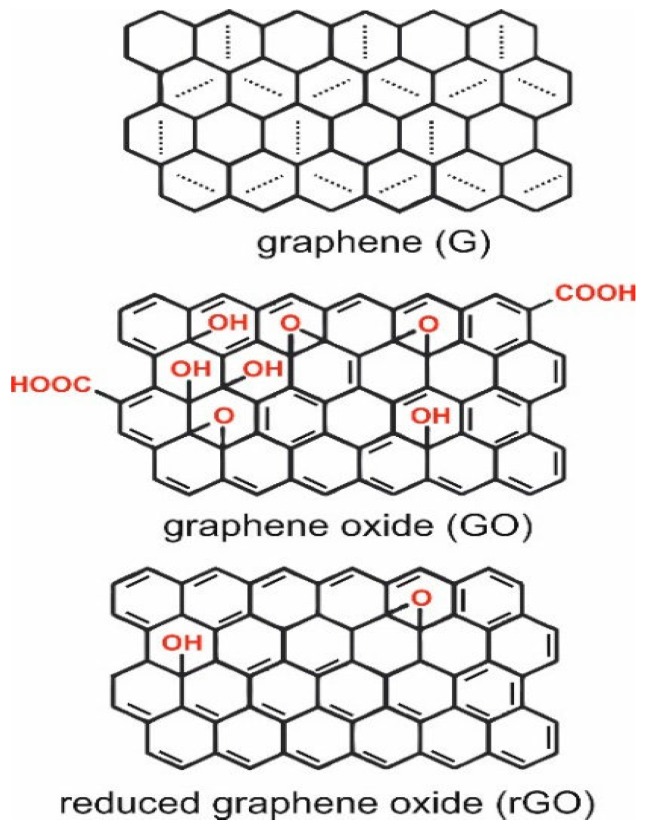
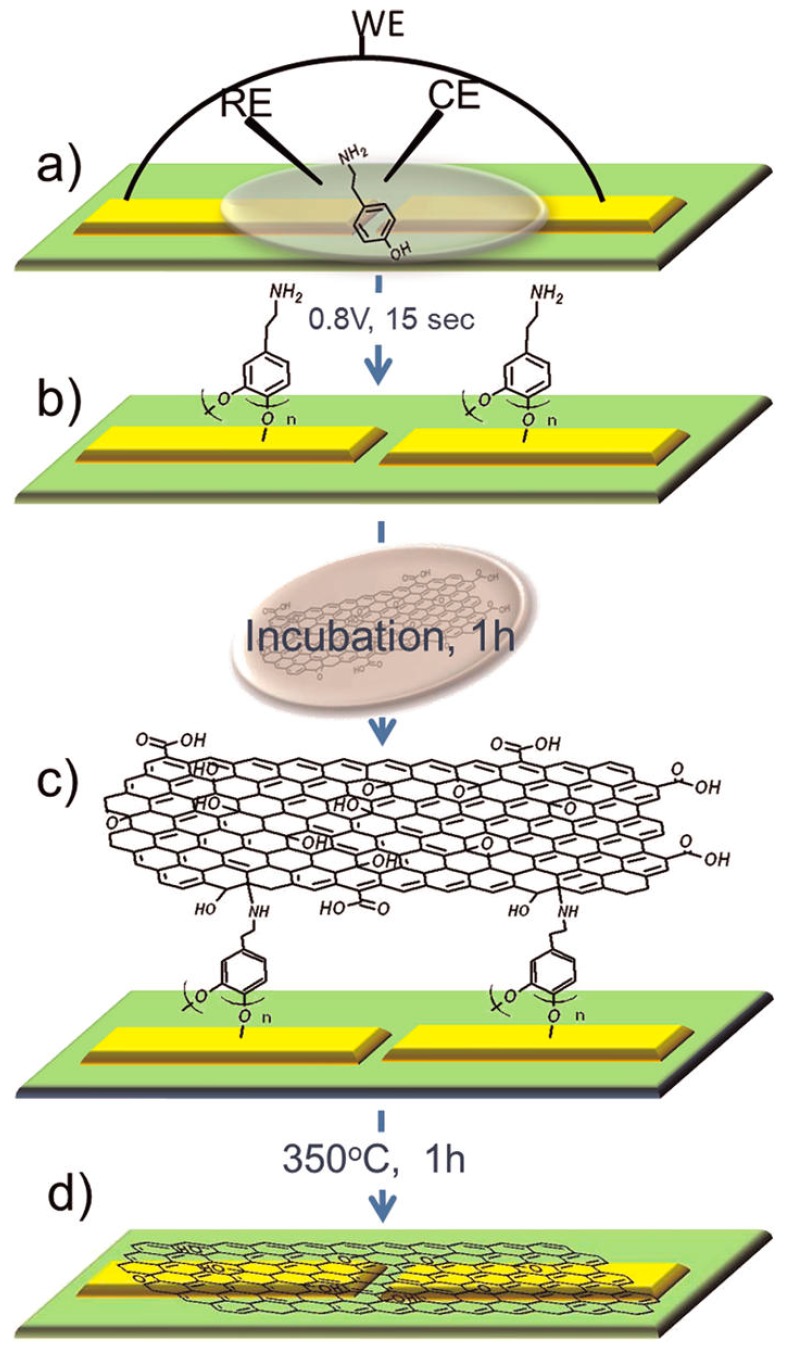
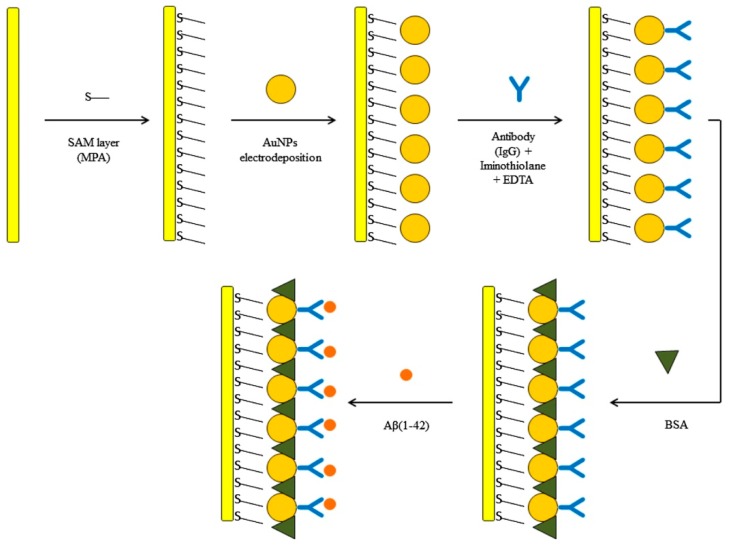
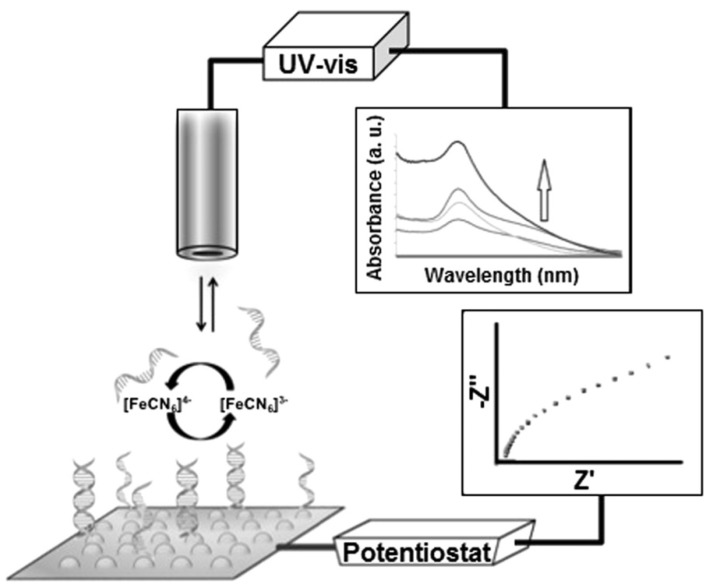
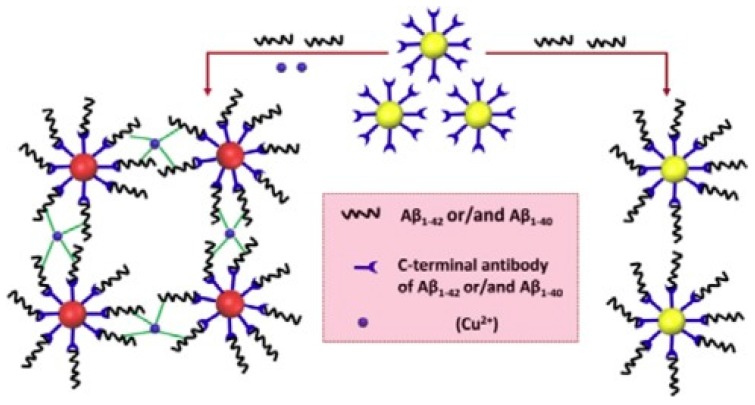
Alzheimer's disease (AD) is an incurable and highly debilitating condition characterized by the progressive degeneration and/or death of nerve cells, which leads to manifestation of disabilities in cognitive functioning. In recent years, the development of biosensors for determination of AD's main biomarkers has made remarkable progress, particularly based on the tremendous advances in nanoscience and nanotechnology. The unique and outstanding properties of nanomaterials (such as graphene, carbon nanotubes, gold, silver and magnetic nanoparticles, polymers and quantum dots) have been contributing to enhance the electrochemical and optical behavior of transducers while offering a suitable matrix for the immobilization of biological recognition elements. Therefore, optical and electrochemical immuno- and DNA-biosensors with higher sensitivity, selectivity and longer stability have been reported. Nevertheless, strategies based on the detection of multiple analytes still need to be improved, as they will play a crucial role in minimizing misdiagnosis. This review aims to provide insights into the conjugation of nanomaterials with different transducers highlighting their crucial role in the construction of biosensors for detection of AD main biomarkers.
阿尔茨海默病(AD)是一种无法治愈且使人极度衰弱的疾病,其特征是神经细胞逐渐退化和/或死亡,进而导致认知功能出现障碍。近年来,用于测定AD主要生物标志物的生物传感器取得了显著进展,特别是基于纳米科学和纳米技术的巨大进步。纳米材料(如石墨烯、碳纳米管、金、银、磁性纳米颗粒、聚合物和量子点)独特而优异的特性有助于增强传感器的电化学和光学性能,同时为固定生物识别元件提供合适的基质。因此,已报道了具有更高灵敏度、选择性和更长稳定性的光学和电化学免疫及DNA生物传感器。然而,基于检测多种分析物的策略仍需改进,因为它们在最大限度减少误诊方面将发挥关键作用。本综述旨在深入探讨纳米材料与不同传感器的结合,突出它们在构建用于检测AD主要生物标志物的生物传感器中的关键作用。