Hematology, Oncology and Stem Cell Transplantation Research Center, Tehran University of Medical Sciences, Tehran, Iran.
Regenerative Medicine Research Center, Kermanshah University of Medical Sciences, Kermanshah, Iran; Medical Biology Research Center, Health Technology Institute, Kermanshah University of Medical Sciences, Kermanshah, Iran.
Biomed J. 2019 Dec;42(6):403-410. doi: 10.1016/j.bj.2019.05.002. Epub 2019 Dec 10.
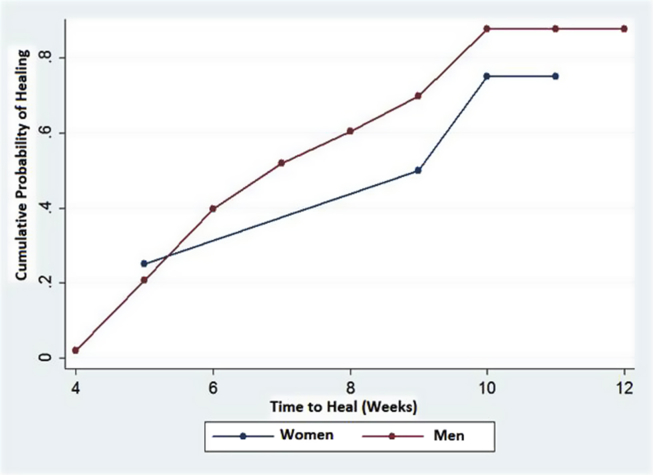
The aim of this study was to assess the possible association between different factors such as age, sex, antibiotic consumption duration, angiogenesis and pain and "acceleration of wound healing" in pilonidal sinus patients after treating with platelet-rich plasma (PRP).
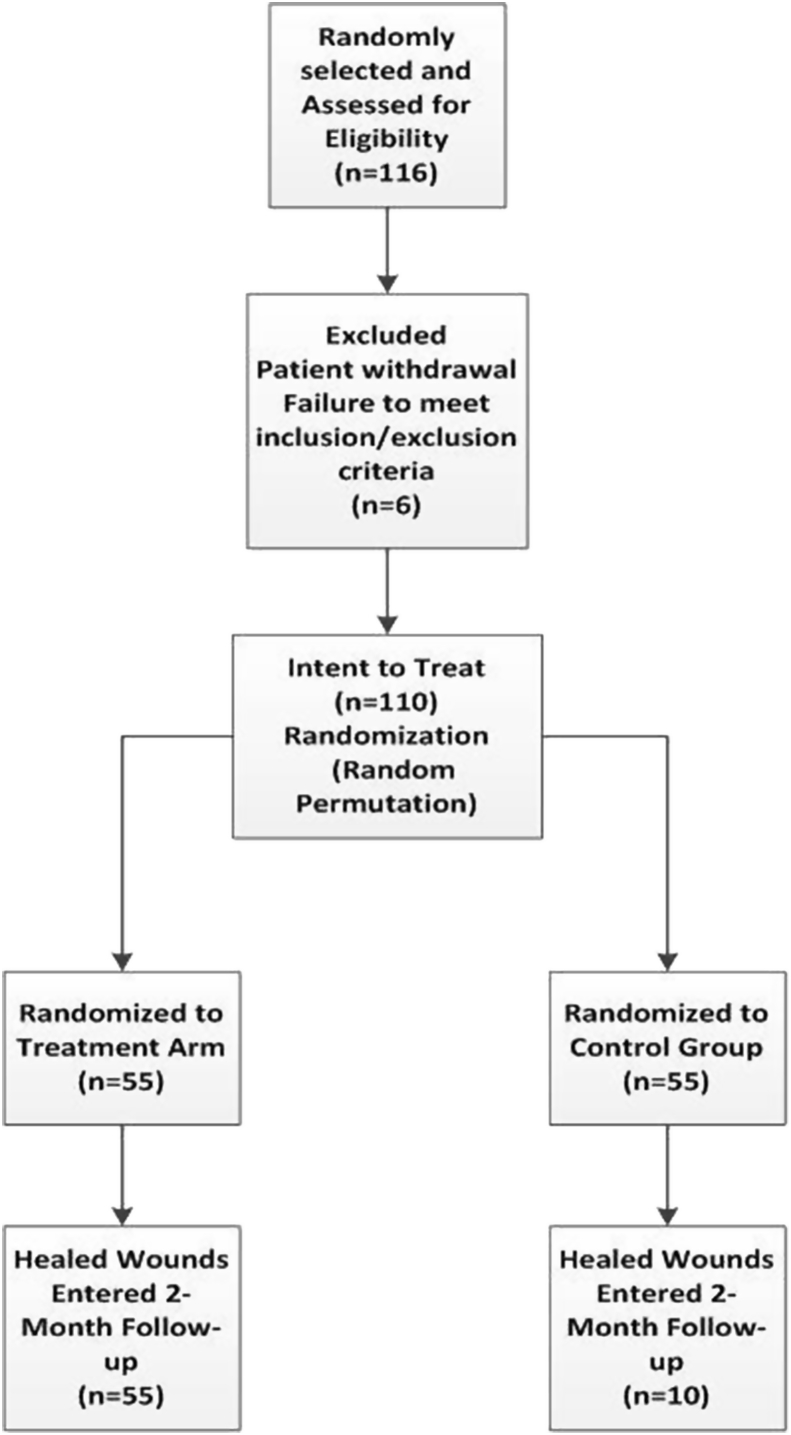
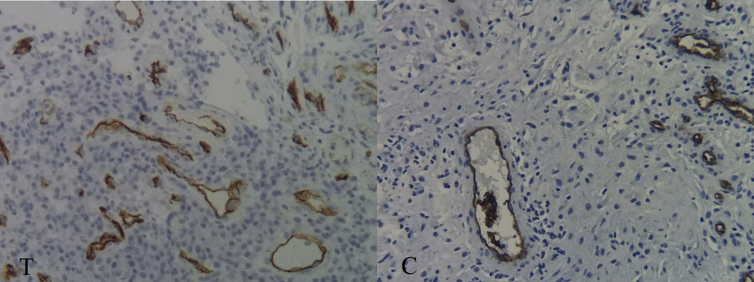
In this clinical trial, 110 patients were randomly divided into treatment arm and control group. After surgery, control group underwent classic wound dressing and the treatment arm experienced PRP gel therapy. Before achieving complete healing, wound incisional biopsy was performed in order to evaluate angiogenesis. During the study, other data such as pain and antibiotic consumption duration were also collected. Wound healing time of pilonidal sinus disease was analyzed using Extended and Stratify Cox model. Data were analyzed using R and STATA software. p<0.05 were considered statistically significant.
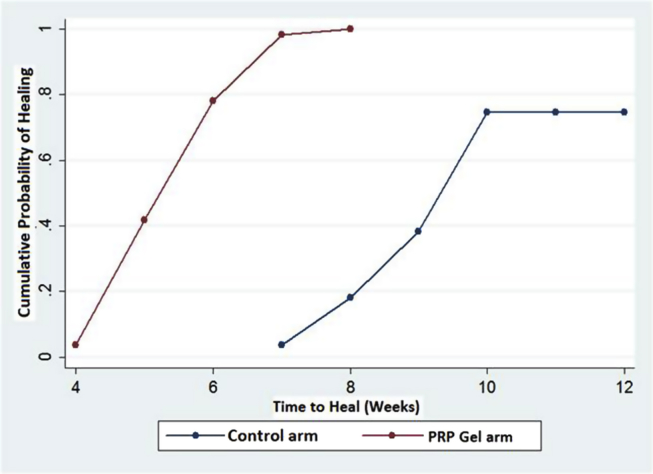
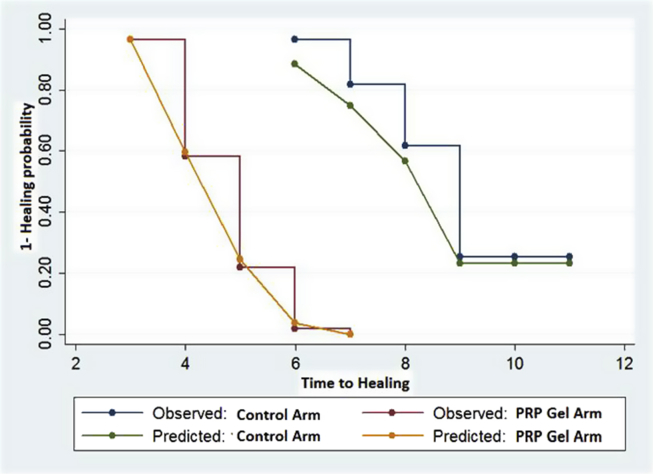
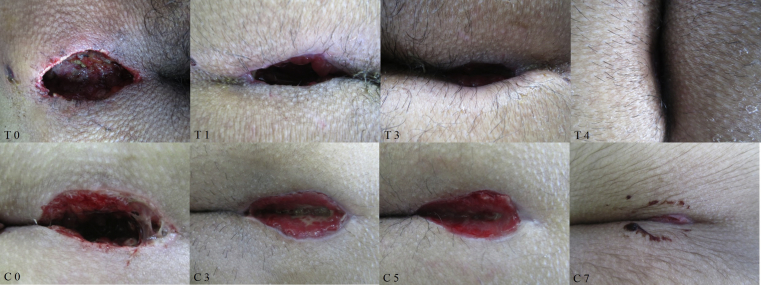
The average wound volume was calculated 41.9 ± 8.01 cc in the controls and 42.35 ± 10.81 in the treatment arm group. The mean of healing time was 8.7 ± 1.18, 4.8 ± 0.87 weeks for control and treatment arm, respectively. There was a significant and strong negative association between healing time and wound volume (p<0.01). Moreover, a significant negative association was found between pain duration and angiogenesis (p<0.001), a strong positive significant association was found between healing time of the treatment arms (p<0.01), and the rate of wound healing for participants treated with PRP gel was 37.2 times more than that of controls.
Authors hope for these finding to help the future researches to more thoroughly focus on the mentioned factors in order to find a suitable strategy for wound healing using PRP.
本研究旨在评估年龄、性别、抗生素使用时间、血管生成和疼痛等不同因素与接受富血小板血浆(PRP)治疗的藏毛窦患者“加速伤口愈合”之间的可能关联。
在这项临床试验中,110 名患者被随机分为治疗组和对照组。手术后,对照组采用经典的伤口敷料,治疗组则采用 PRP 凝胶治疗。在完全愈合之前,进行切口活检以评估血管生成。在研究过程中,还收集了其他数据,如疼痛和抗生素使用时间。使用扩展和分层 Cox 模型分析藏毛窦疾病的伤口愈合时间。使用 R 和 STATA 软件进行数据分析。p<0.05 被认为具有统计学意义。
对照组的平均伤口体积为 41.9±8.01cc,治疗组为 42.35±10.81cc。对照组和治疗组的平均愈合时间分别为 8.7±1.18 周和 4.8±0.87 周。愈合时间与伤口体积之间存在显著的负相关关系(p<0.01)。此外,疼痛持续时间与血管生成之间存在显著的负相关关系(p<0.001),治疗组的愈合时间与血管生成之间存在显著的正相关关系(p<0.01),接受 PRP 凝胶治疗的参与者的伤口愈合率是对照组的 37.2 倍。
作者希望这些发现能够帮助未来的研究更深入地关注这些因素,以便找到使用 PRP 促进伤口愈合的合适策略。