Griffioen Nastasia, Van Rooij Marieke M J W, Lichtwarck-Aschoff Anna, Granic Isabela
Developmental Psychopathology and Treatment, Radboud University Nijmegen, Nijmegen, Netherlands.
J Med Internet Res. 2020 Jan 28;22(1):e15529. doi: 10.2196/15529.
Social media are as popular as ever, and concerns regarding the effects of social media use on adolescent well-being and mental health have sparked many scientific studies into use effects. Social media research is currently at an important crossroads: conflicting results on social media use's effects on well-being are abundant, and recent work in the field suggests that a new approach is required. The field is in need of an approach involving objective data regarding use where necessary and attention to different kinds of detail such as the why and how of social media use.
We present a novel paradigm implementing a principle from educational sciences called stimulated recall and demonstrate how it can be applied to social media use research. Our stimulated recall paradigm implements a number of elements that can fill the gaps currently present in social media and well-being research.
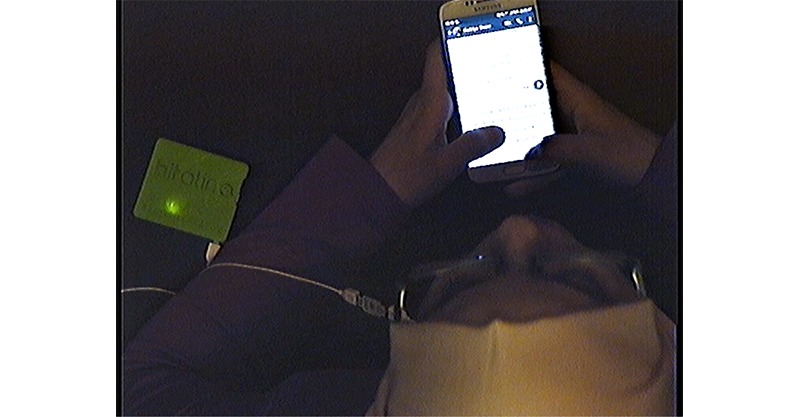
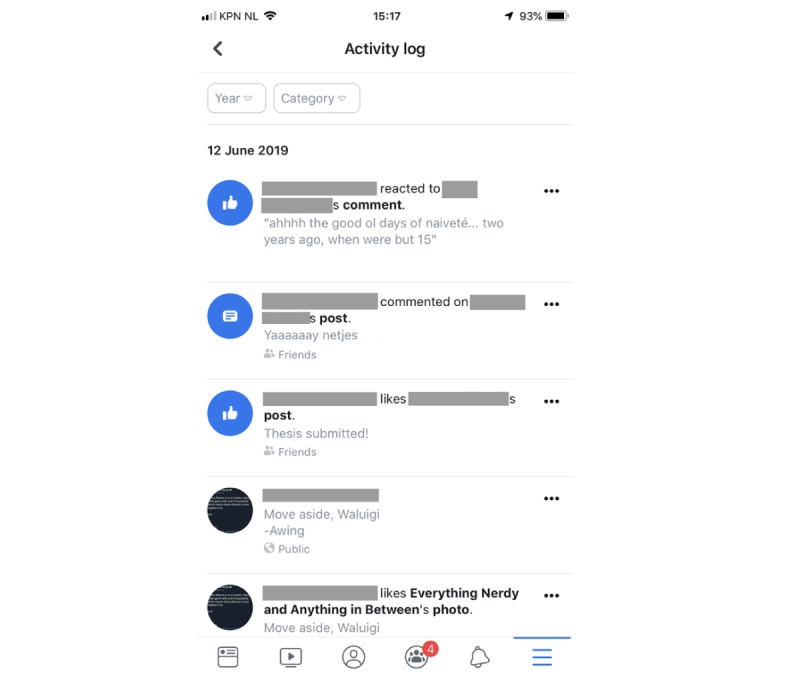
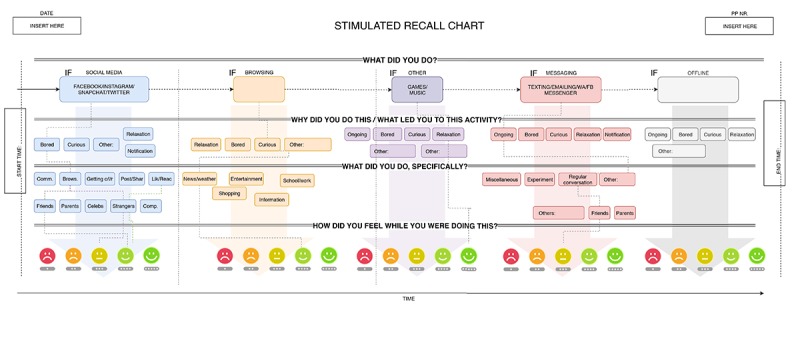
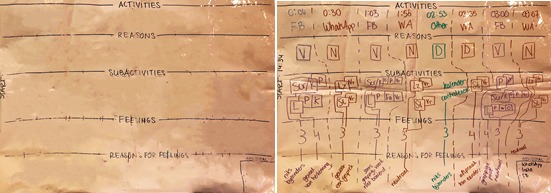
Objective data are collected regarding users' social media behaviors through video footage and in-phone data and used for a structured stimulated recall interview to facilitate detailed and context-sensitive processing of these objective data. In this interview, objective data are reviewed with the participant in an act of co-research, in which details such as the reasons for their use (eg, boredom) and processes surrounding their use (eg, with whom) are discussed and visualized in a stimulated recall chart.
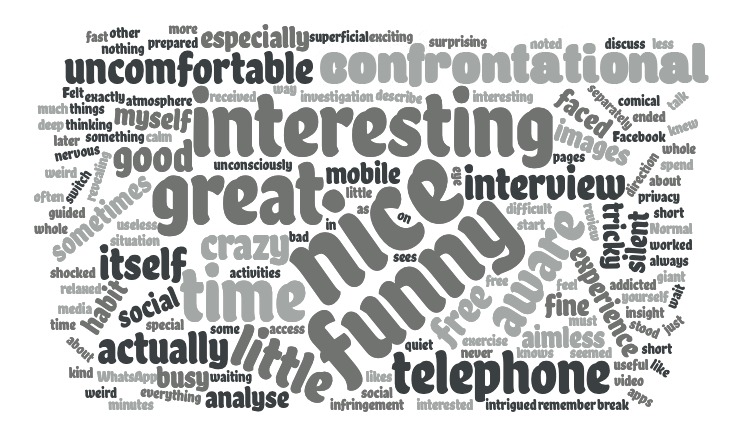
Our ongoing study (N=53) implementing this paradigm suggests this method is experienced as pleasant by participants in spite of its personal and intensive nature.
The stimulated recall paradigm offers interesting and necessary avenues for approaching social media use research from new angles, addressing aspects of use that have thus far remained underexposed. The answers to questions such as "Why do adolescents use social media?" "In what ways exactly do they use social media?" and "How does social media use make them feel in the moment?" are now within reach, an important step forward in the field of social media use and well-being research.
社交媒体一如既往地受欢迎,关于社交媒体使用对青少年幸福感和心理健康影响的担忧引发了许多关于使用效果的科学研究。社交媒体研究目前正处于一个重要的十字路口:关于社交媒体使用对幸福感影响的相互矛盾的结果大量存在,该领域最近的研究表明需要一种新方法。该领域需要一种在必要时涉及使用的客观数据并关注不同细节(如社交媒体使用的原因和方式)的方法。
我们提出一种新颖的范式,该范式采用教育科学中的一种称为刺激回忆的原则,并展示它如何应用于社交媒体使用研究。我们的刺激回忆范式包含一些元素,可以填补目前社交媒体与幸福感研究中存在的空白。
通过视频片段和手机数据收集关于用户社交媒体行为的客观数据,并用于结构化的刺激回忆访谈,以促进对这些客观数据进行详细且结合上下文的处理。在这次访谈中,与参与者一起回顾客观数据,这是一种共同研究行为,其中会讨论诸如使用原因(如无聊)和使用过程(如与谁一起)等细节,并在刺激回忆图表中进行可视化呈现。
我们正在进行的采用这种范式的研究(N = 53)表明,尽管该方法具有个人化和深入性,但参与者认为这种方法体验良好。
刺激回忆范式为从新角度进行社交媒体使用研究提供了有趣且必要的途径,解决了迄今为止尚未充分探讨的使用方面的问题。诸如“青少年为什么使用社交媒体?”“他们具体以何种方式使用社交媒体?”以及“社交媒体使用在当下让他们有何感受?”等问题的答案现在触手可及,这是社交媒体使用与幸福感研究领域向前迈出的重要一步。