Department of Environmental Physiology for Exercise, Osaka City University Graduate School of Medicine, 3-3-138 Sugimoto Sumiyoshi, Osaka, 558-8585, Japan.
Research Center for Urban Health and Sports, Osaka City University, Osaka, Japan.
J Physiol Sci. 2020 Jan 30;70(1):2. doi: 10.1186/s12576-020-00733-6.
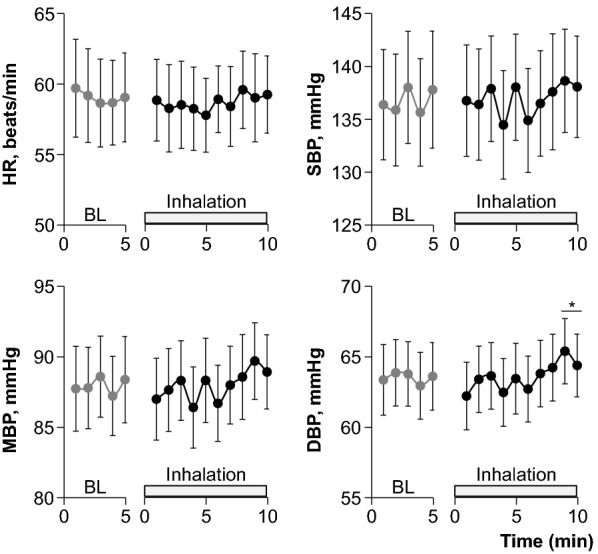
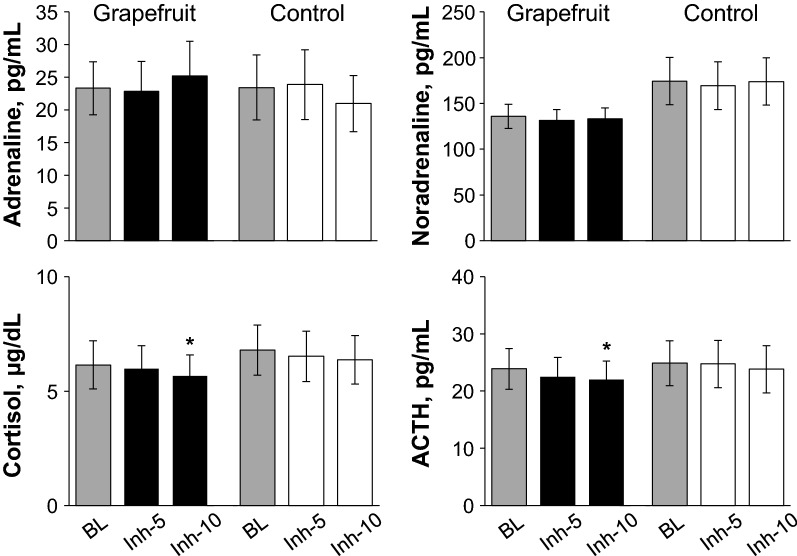
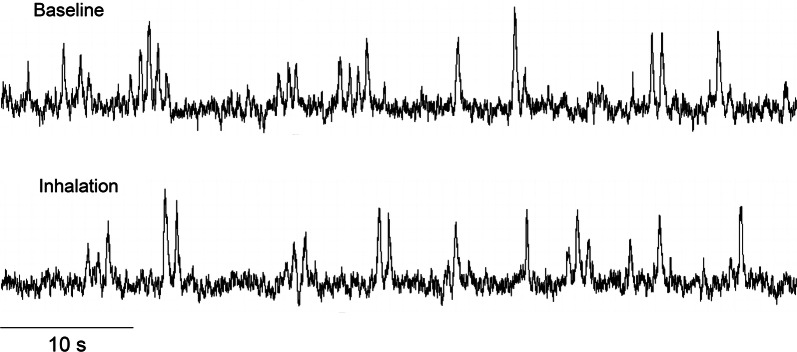
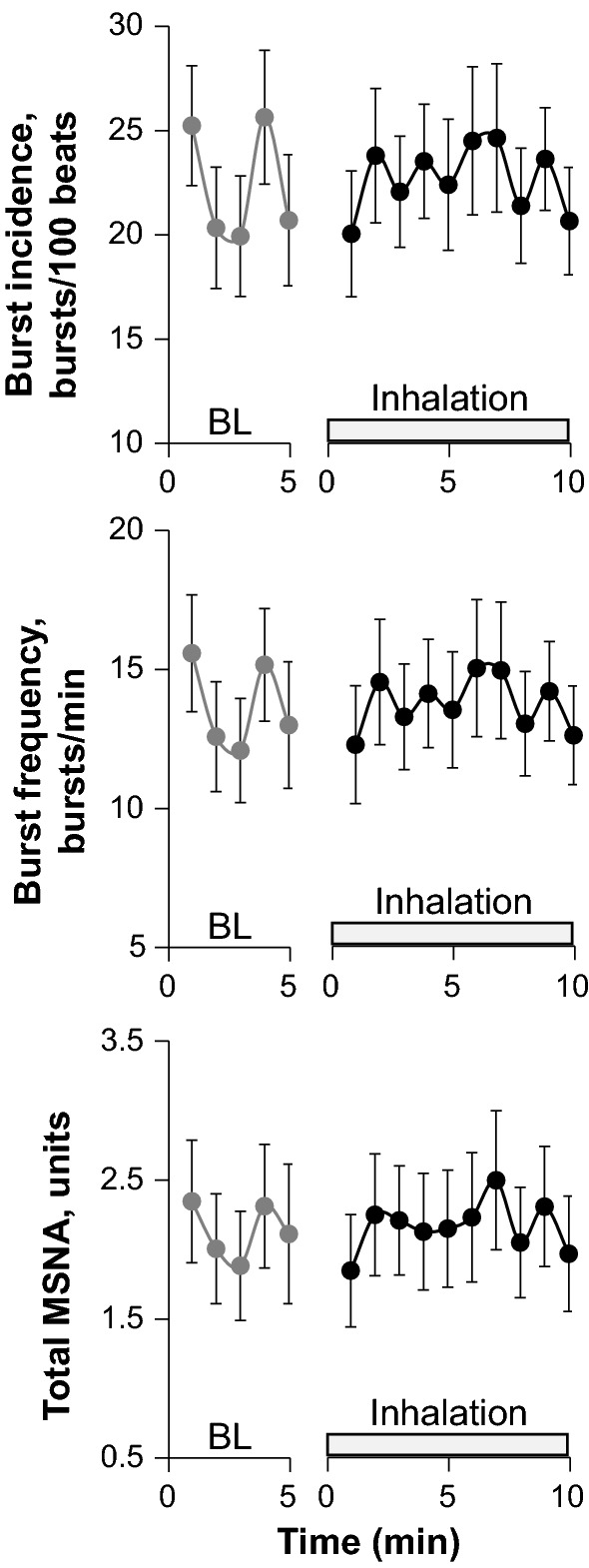
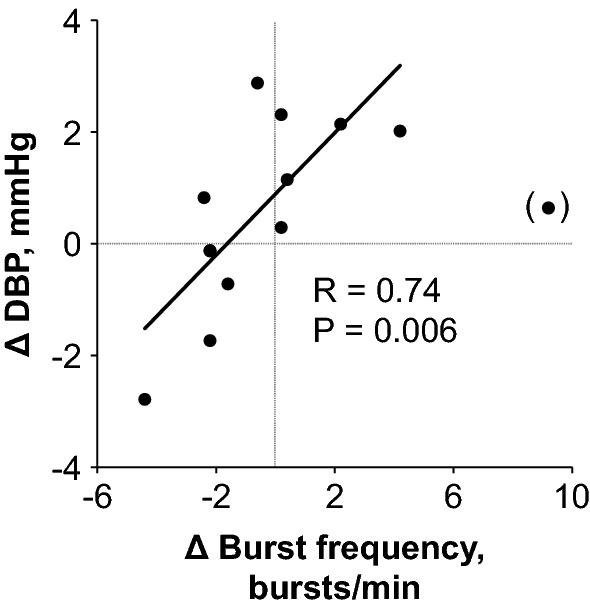
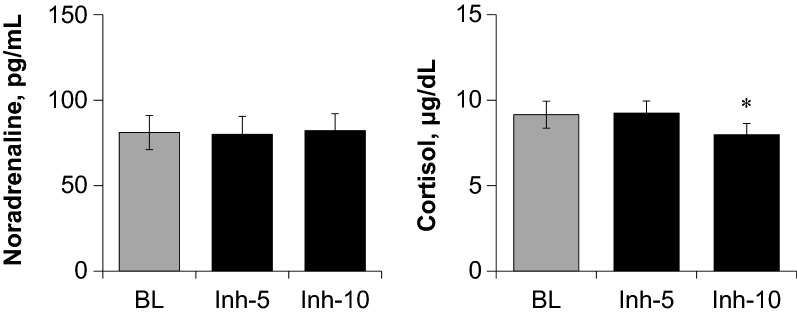
Fragrance inhalation of essential oils is widely used in aromatherapy, and it is known to affect blood pressure (BP) and heart rate (HR) via autonomic control of circulation. In this study, we aimed to test the hypothesis that the changes in hemodynamics with fragrance inhalation were observed along with changes in muscle sympathetic nerve activity (MSNA). In study 1, thirteen healthy men were exposed to fragrance stimulation of grapefruit essential oil for 10 min, and BP, HR, and MSNA were continuously measured. In study 2, another nine healthy men were exposed to the same fragrance stimulation; responses in BP and HR were continuously measured, and plasma noradrenaline and cortisol concentrations were determined. We found that diastolic BP increased significantly during fragrance inhalation, while the other variables remained unchanged in both studies. Although MSNA burst frequency, burst incidence, and total activity remained unchanged during fragrance inhalation, we found a significant linear correlation between changes in diastolic BP in the last 5 min of fragrance inhalation and changes in MSNA burst frequency. The plasma cortisol concentration decreased significantly at 10 min of fragrance inhalation, though the noradrenaline concentration remained unchanged. These results suggest, for the first time, that changes in BP with fragrance inhalation of essential oil are associated with changes in MSNA even with decreased stress hormone.
芳香疗法中广泛使用吸入精油,已知其通过循环的自主控制来影响血压(BP)和心率(HR)。在这项研究中,我们旨在检验以下假设,即随着吸入精油,血流动力学的变化伴随着肌肉交感神经活动(MSNA)的变化而被观察到。在研究 1 中,13 名健康男性接受了葡萄柚精油的香味刺激 10 分钟,连续测量 BP、HR 和 MSNA。在研究 2 中,另外 9 名健康男性接受了相同的香味刺激;连续测量 BP 和 HR,并测定血浆去甲肾上腺素和皮质醇浓度。我们发现,在香味吸入期间舒张压显著增加,而在两项研究中其他变量保持不变。尽管在香味吸入期间 MSNA 爆发频率、爆发发生率和总活动保持不变,但我们发现,在香味吸入的最后 5 分钟内,舒张压的变化与 MSNA 爆发频率的变化之间存在显著的线性相关性。尽管去甲肾上腺素浓度保持不变,但在香味吸入 10 分钟时,血浆皮质醇浓度显著降低。这些结果首次表明,即使应激激素减少,与精油吸入相关的 BP 变化也与 MSNA 的变化有关。