Department of Computer Science & Engineering, Bharati Vidyapeeth's College of Engineering, New Delhi 110063, India.
Department of Computer Science and Engineering, G. B. Pant Government Engineering College, New Delhi 110020, India.
Sensors (Basel). 2020 Feb 15;20(4):1068. doi: 10.3390/s20041068.
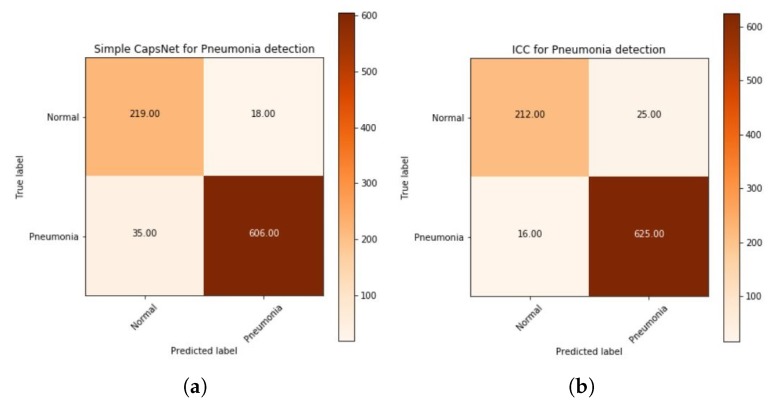
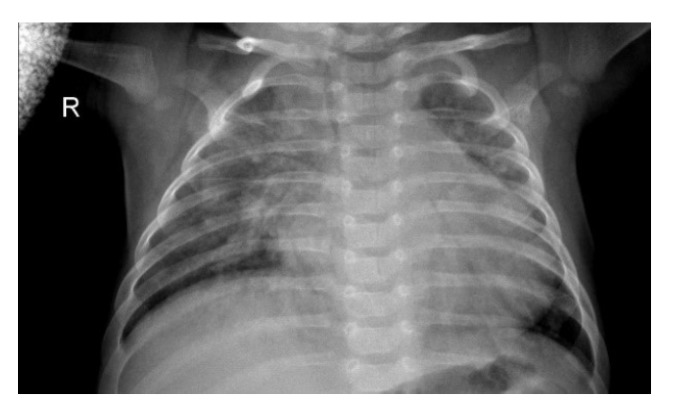
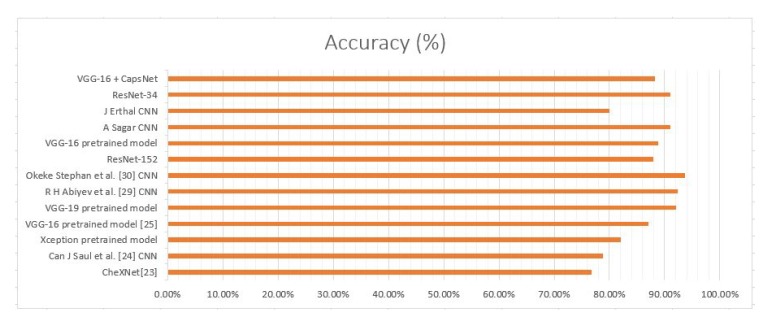
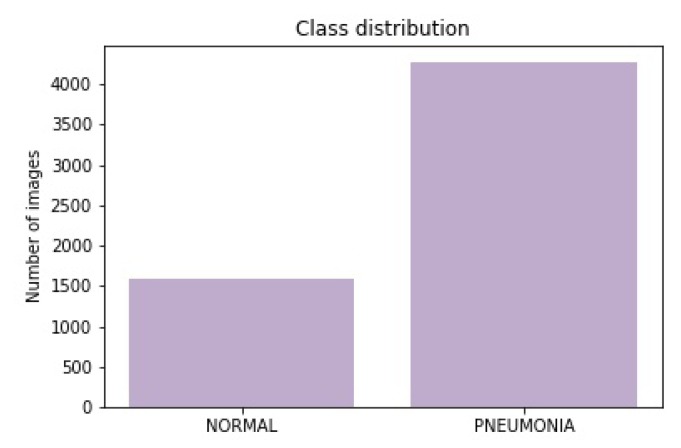
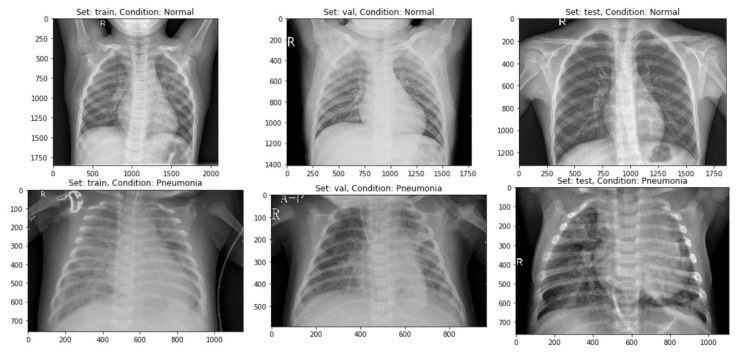
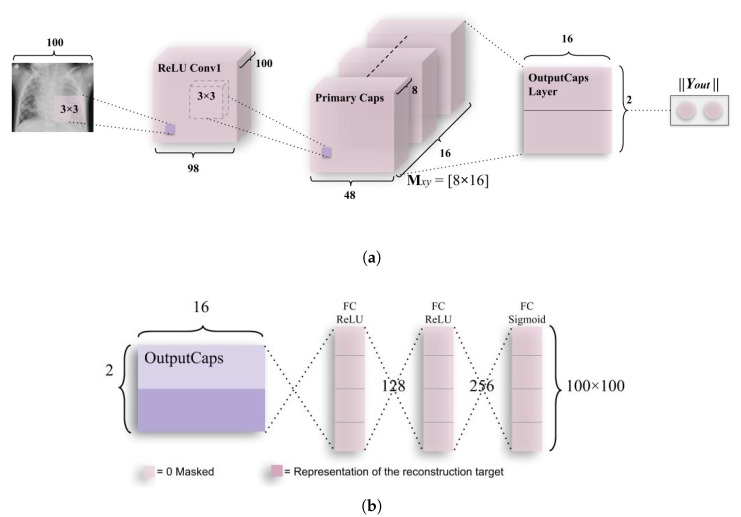
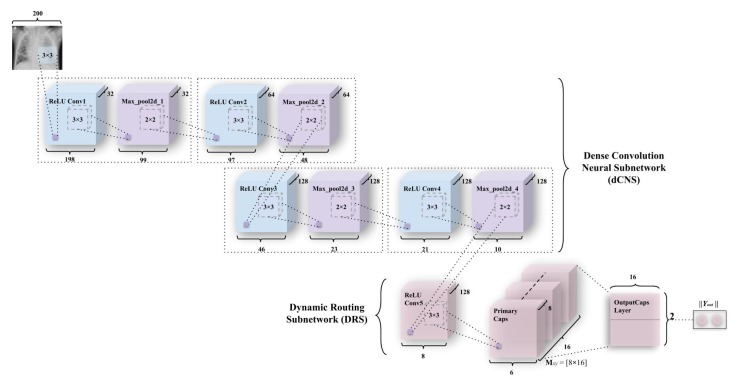
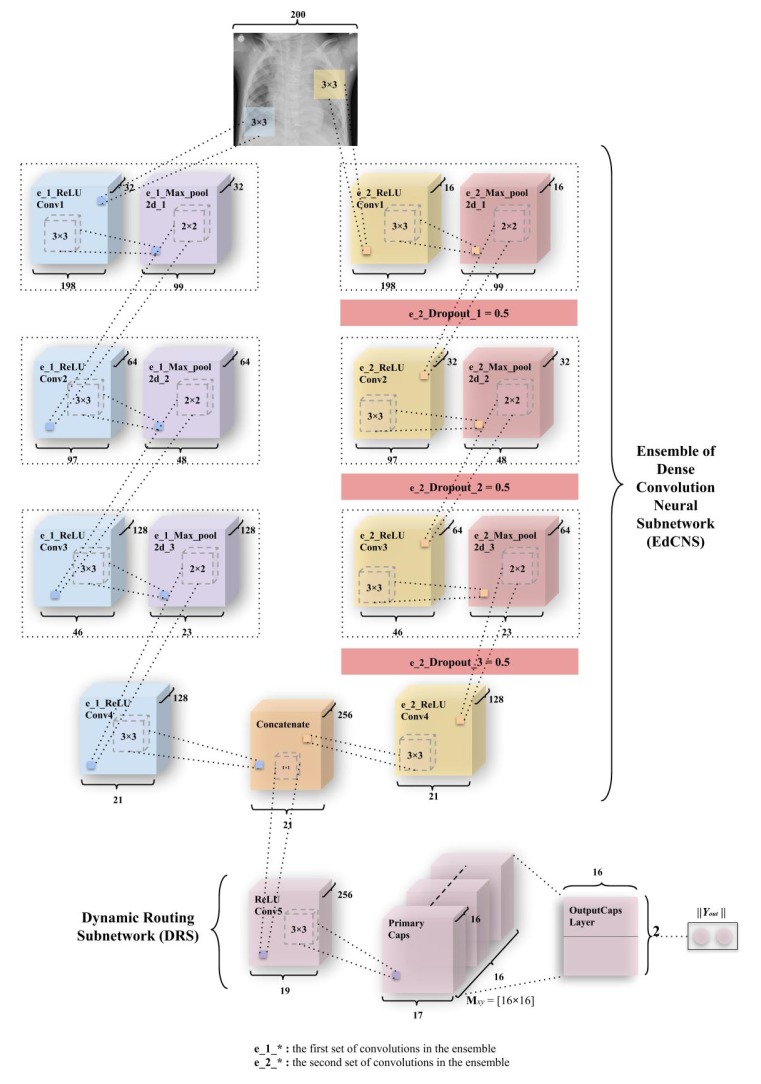
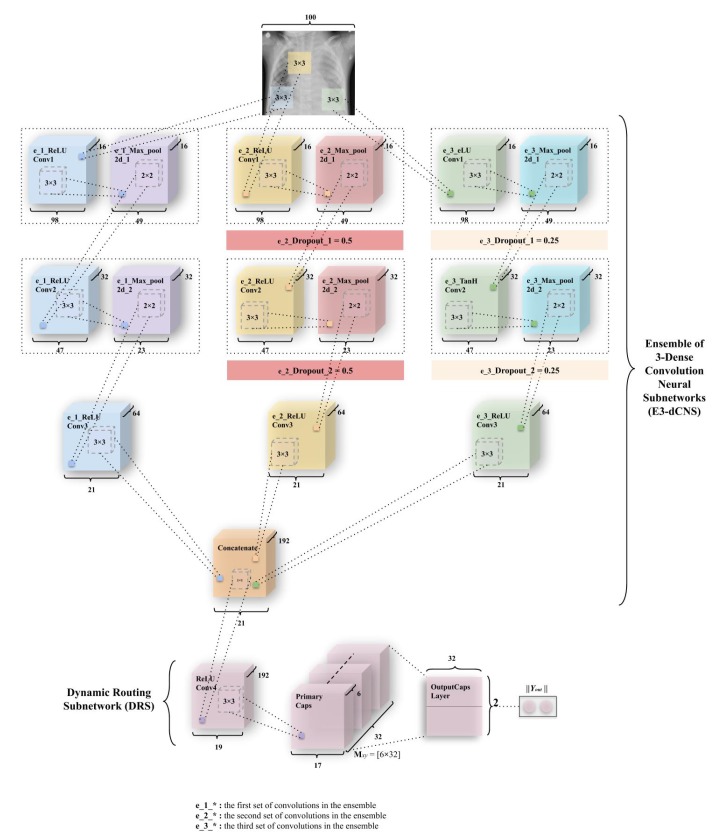
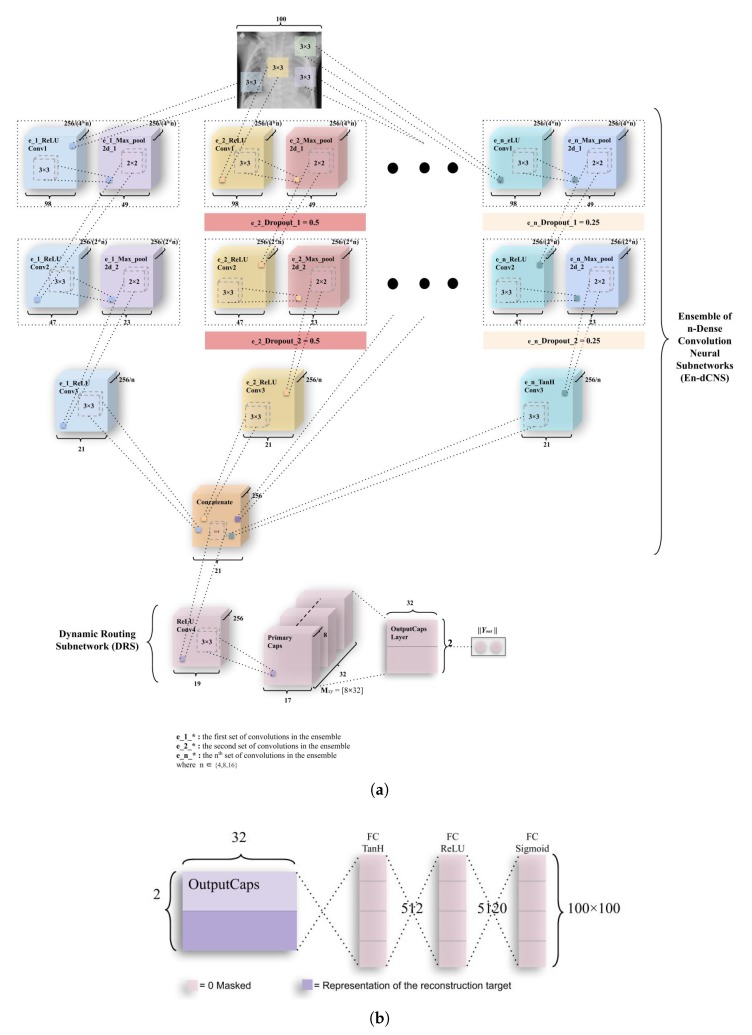
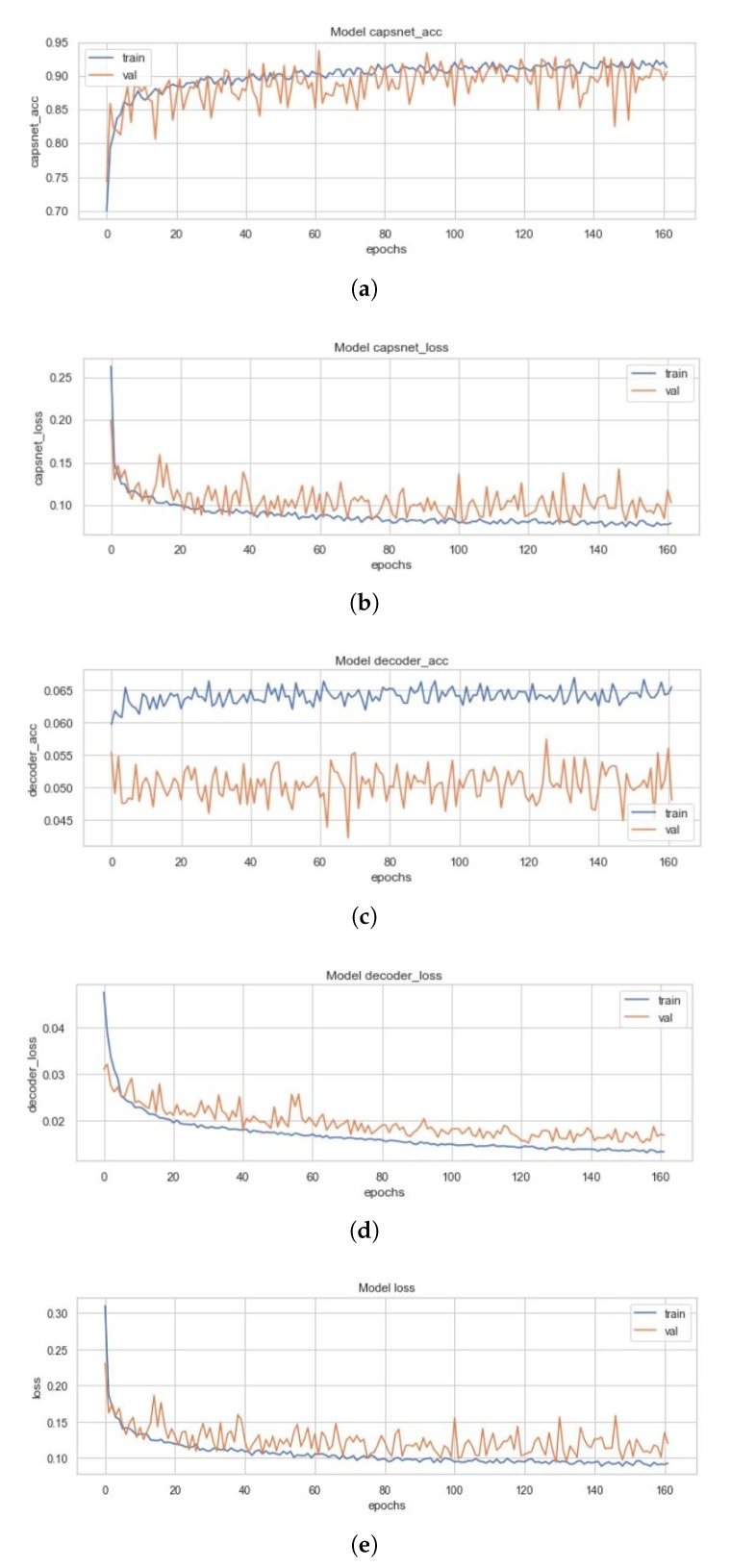
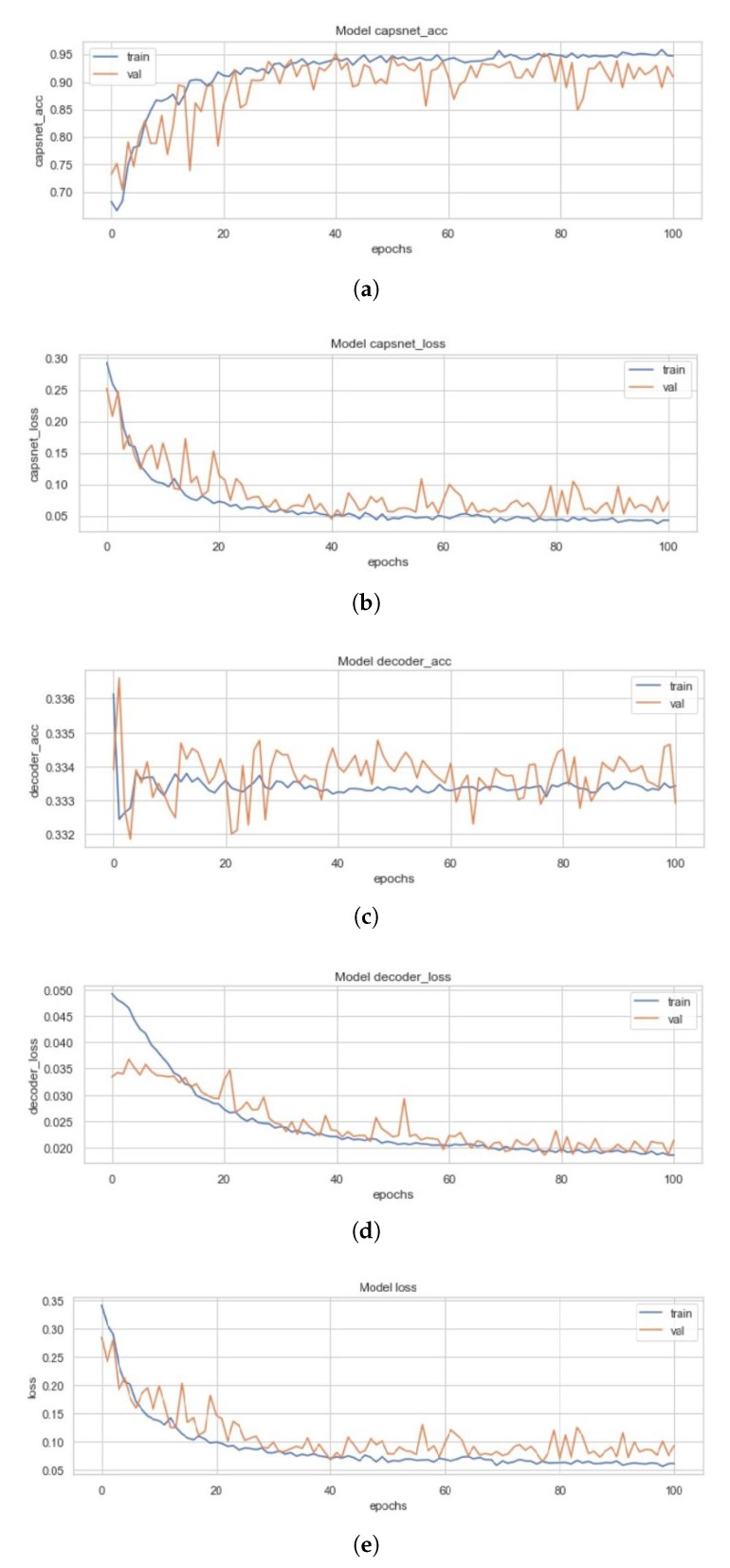
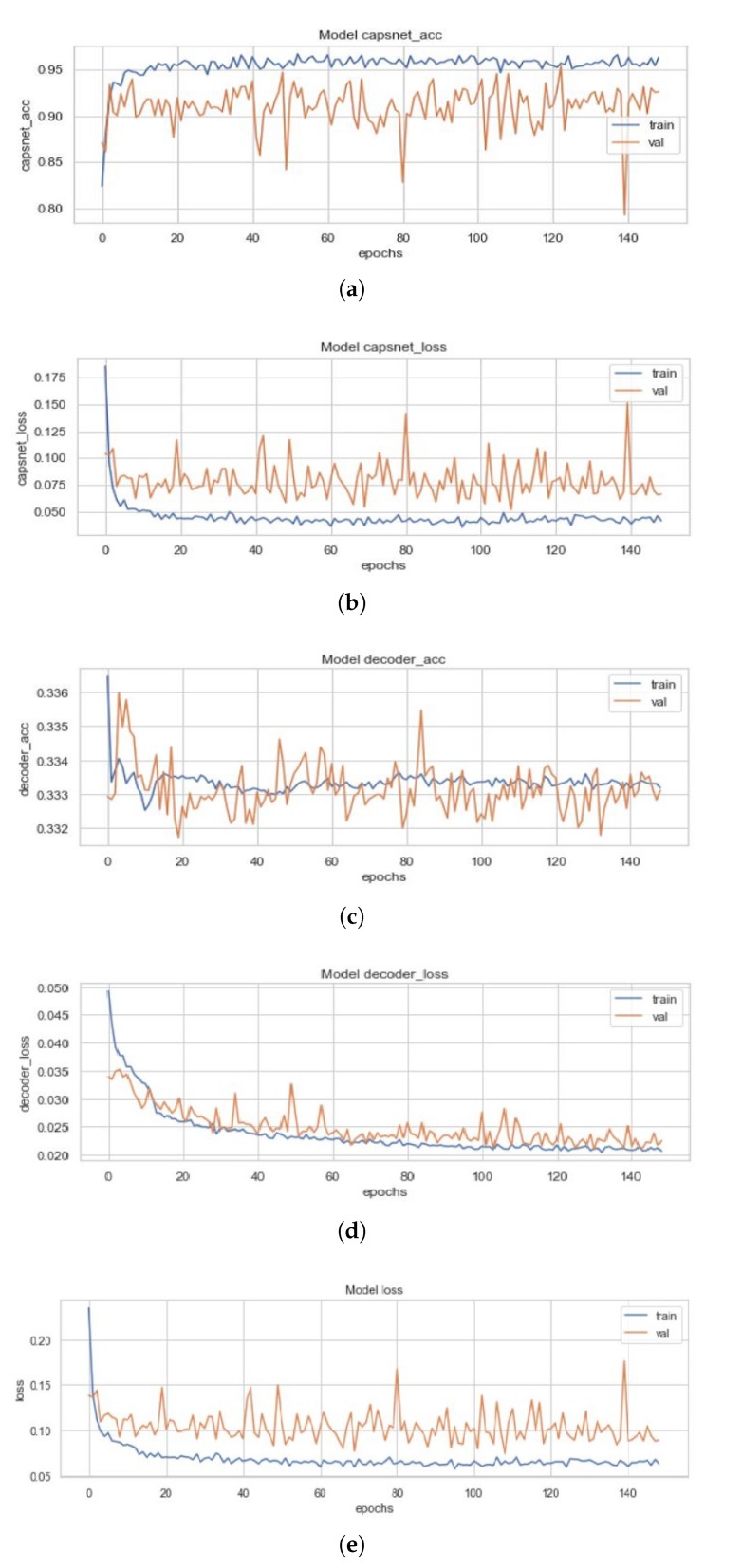
An entity's existence in an image can be depicted by the activity instantiation vector from a group of neurons (called capsule). Recently, multi-layered capsules, called CapsNet, have proven to be state-of-the-art for image classification tasks. This research utilizes the prowess of this algorithm to detect pneumonia from chest X-ray (CXR) images. Here, an entity in the CXR image can help determine if the patient (whose CXR is used) is suffering from pneumonia or not. A simple model of capsules (also known as Simple CapsNet) has provided results comparable to best Deep Learning models that had been used earlier. Subsequently, a combination of convolutions and capsules is used to obtain two models that outperform all models previously proposed. These models-Integration of convolutions with capsules (ICC) and Ensemble of convolutions with capsules (ECC)-detect pneumonia with a test accuracy of 95.33% and 95.90%, respectively. The latter model is studied in detail to obtain a variant called EnCC, where n = 3, 4, 8, 16. Here, the E4CC model works optimally and gives test accuracy of 96.36%. All these models had been trained, validated, and tested on 5857 images from Mendeley.
实体在图像中的存在可以通过一组神经元(称为胶囊)的活动实例化向量来描述。最近,多层胶囊,称为 CapsNet,已被证明是图像分类任务的最新技术。本研究利用该算法的强大功能从胸部 X 光(CXR)图像中检测肺炎。在这里,CXR 图像中的实体可以帮助确定使用 CXR 的患者是否患有肺炎。胶囊的简单模型(也称为简单 CapsNet)提供的结果可与之前使用的最佳深度学习模型相媲美。随后,卷积和胶囊的组合用于获得两个性能优于之前提出的所有模型的模型。这些模型 - 卷积与胶囊的集成(ICC)和卷积与胶囊的集成(ECC)- 分别以 95.33%和 95.90%的测试准确率检测肺炎。对后者模型进行了详细研究,得到了一个称为 EnCC 的变体,其中 n = 3、4、8、16。在这里,E4CC 模型的工作效果最佳,测试准确率为 96.36%。所有这些模型都在 Mendeley 的 5857 张图像上进行了训练、验证和测试。