Poklukar Klavdija, Čandek-Potokar Marjeta, Batorek Lukač Nina, Tomažin Urška, Škrlep Martin
Agricultural Institute of Slovenia, Ljubljana SI-1000, Slovenia.
University of Maribor, Faculty of Agriculture and Life Sciences, Hoče SI-2311, Slovenia.
Animals (Basel). 2020 Mar 3;10(3):424. doi: 10.3390/ani10030424.
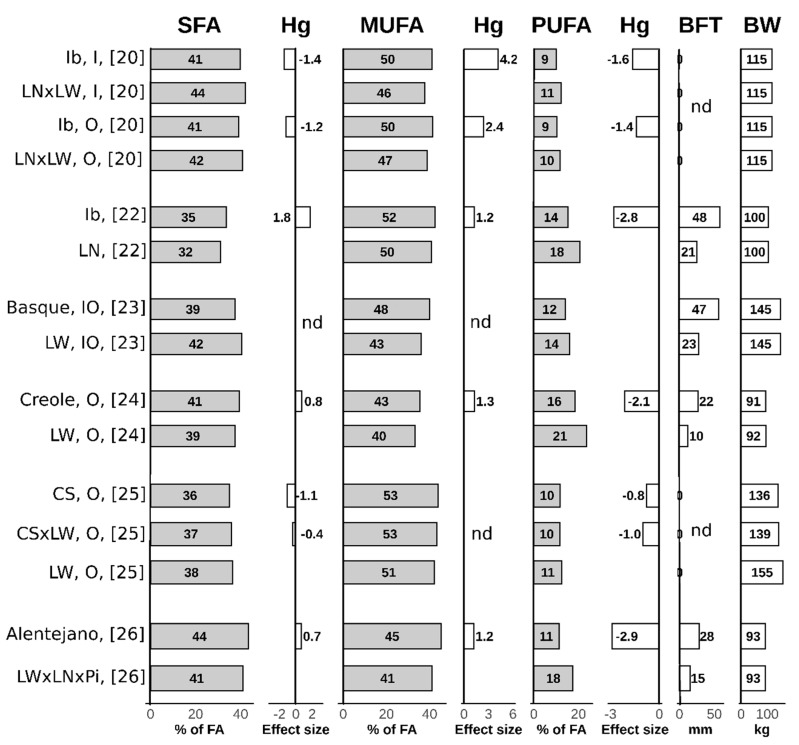
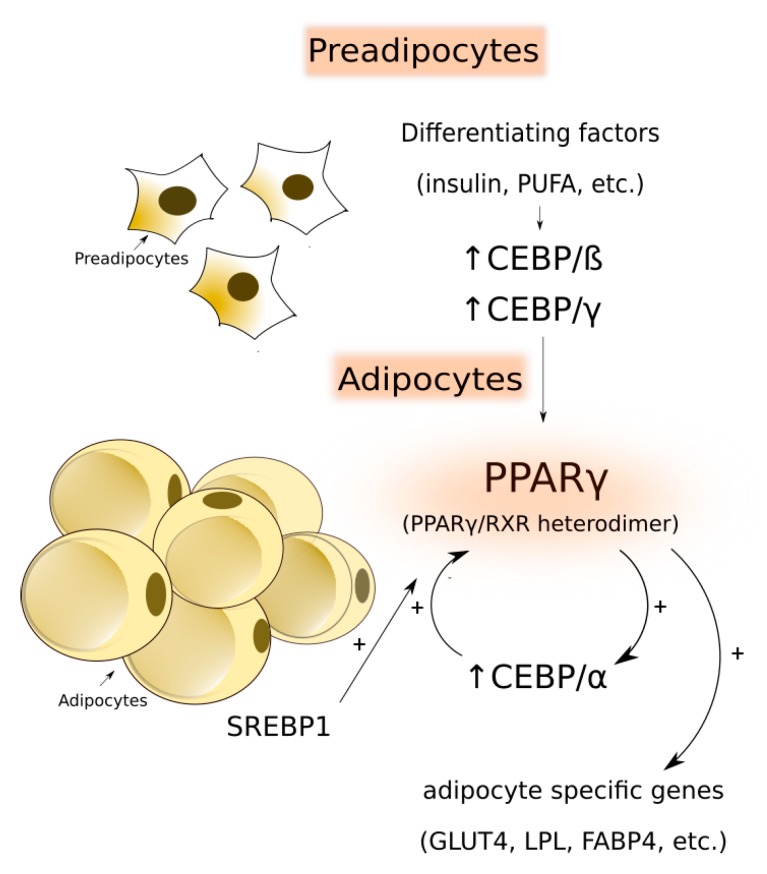
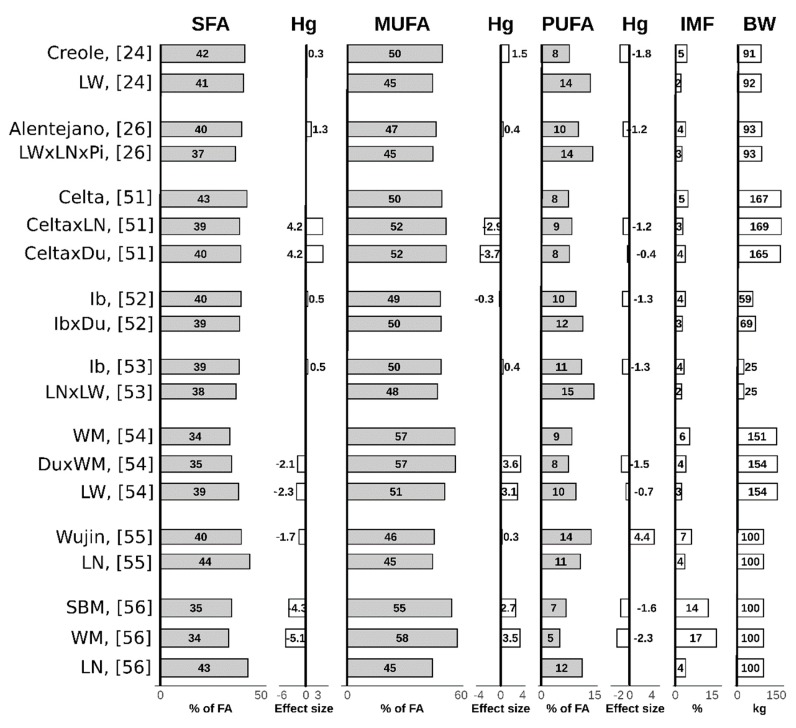
Modern pig breeds, which have been genetically improved to achieve fast growth and a lean meat deposition, differ from local pig breeds with respect to fat deposition, fat specific metabolic characteristics and various other properties. The present review aimed to elucidate the mechanisms underlying the differences between fatty local and modern lean pig breeds in adipose tissue deposition and lipid metabolism, taking into consideration morphological, cellular, biochemical, transcriptomic and proteomic perspectives. Compared to modern breeds, local pig breeds accumulate larger amounts of fat, which generally contains more monounsaturated and saturated fatty acids; they exhibit a higher adipocyte size and higher activity of lipogenic enzymes. Studies using transcriptomic and proteomic approaches highlighted several processes like immune response, fatty-acid turn-over, oxidoreductase activity, mitochondrial function, etc. which differ between local and modern pig breeds.
现代猪种经过基因改良以实现快速生长和瘦肉沉积,在脂肪沉积、脂肪特定代谢特征及其他各种特性方面与本地猪种有所不同。本综述旨在从形态学、细胞、生化、转录组学和蛋白质组学角度阐明脂肪型本地猪种和现代瘦肉型猪种在脂肪组织沉积和脂质代谢方面差异的潜在机制。与现代猪种相比,本地猪种积累的脂肪量更多,这些脂肪通常含有更多的单不饱和脂肪酸和饱和脂肪酸;它们的脂肪细胞更大,脂肪生成酶的活性更高。使用转录组学和蛋白质组学方法的研究突出了免疫反应、脂肪酸周转、氧化还原酶活性、线粒体功能等几个在本地猪种和现代猪种之间存在差异的过程。