Glasgow Ageing Research Network (GARNER), Institute of Biodiversity, Animal Health and Comparative Medicine, College of Medical, Veterinary and Life Sciences, University of Glasgow, Glasgow, G12 8QQ, UK.
Molecular Metabolism Group, University/BHF Centre for Cardiovascular Sciences, Queens Medical Research Institute, University of Edinburgh, Edinburgh, EH16 4TJ, UK.
Geroscience. 2020 Apr;42(2):801-812. doi: 10.1007/s11357-020-00168-2. Epub 2020 Mar 11.
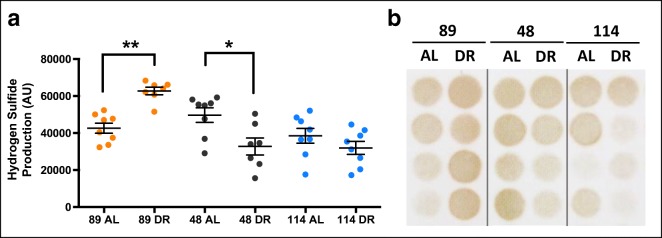
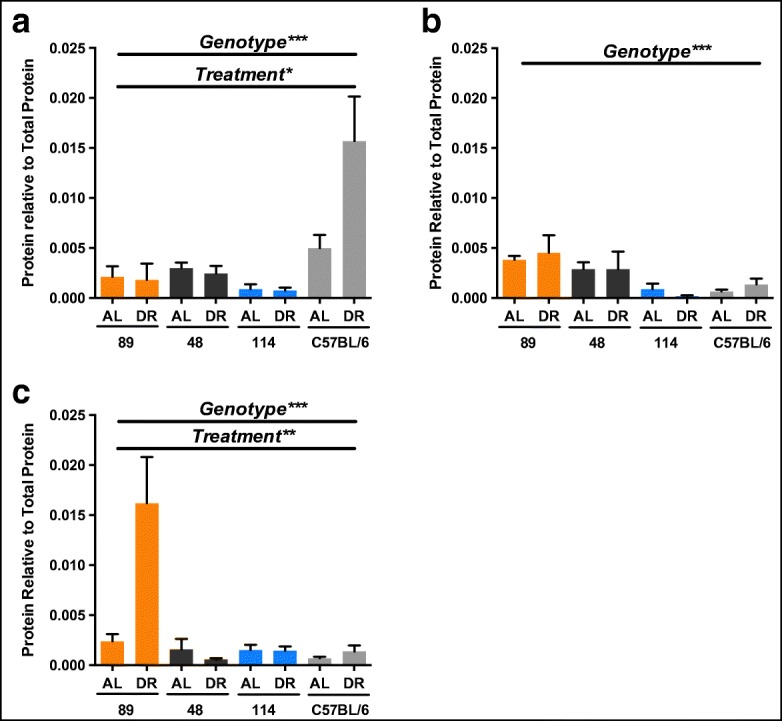
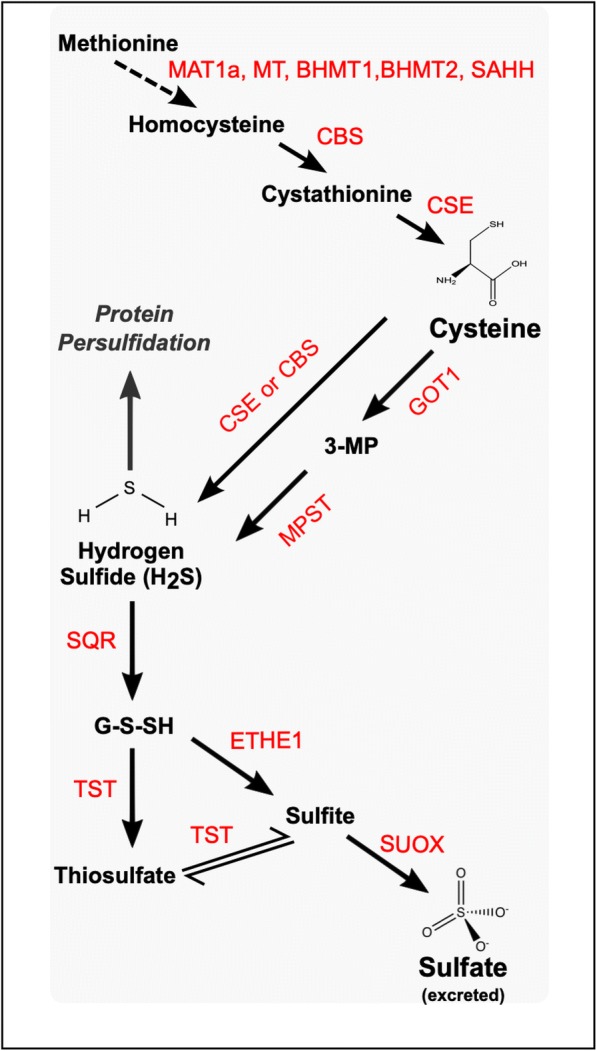
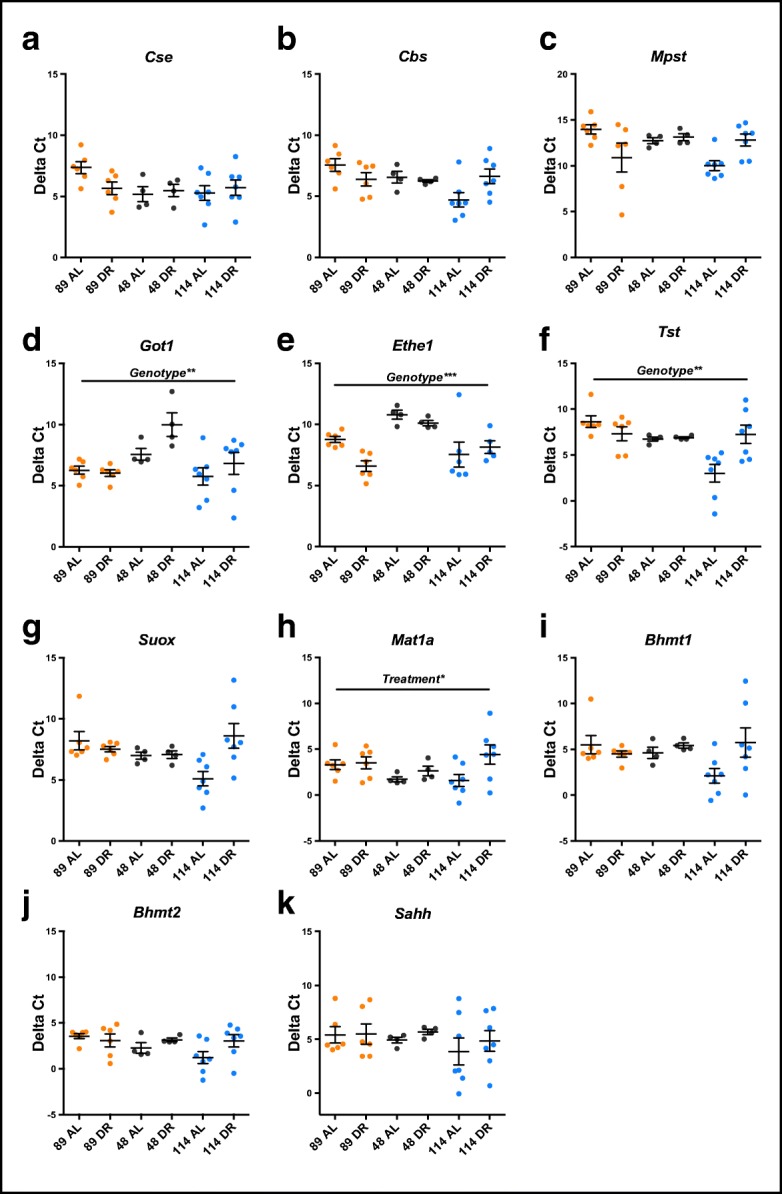
Modulation of the ageing process by dietary restriction (DR) across multiple taxa is well established. While the exact mechanism through which DR acts remains elusive, the gasotransmitter hydrogen sulphide (HS) may play an important role. We employed a comparative-type approach using females from three ILSXISS recombinant inbred mouse strains previously reported to show differential lifespan responses following 40% DR. Following long-term (10 months) 40% DR, strain TejJ89-reported to show lifespan extension under DR-exhibited elevated hepatic HS production relative to its strain-specific ad libitum (AL) control. Strain TejJ48 (no reported lifespan effect following 40% DR) exhibited significantly reduced hepatic HS production, while HS production was unaffected by DR in strain TejJ114 (shortened lifespan reported following 40% DR). These differences in HS production were reflected in highly divergent gene and protein expression profiles of the major HS production and disposal enzymes across strains. Increased hepatic HS production in TejJ89 mice was associated with elevation of the mitochondrial HS-producing enzyme 3-mercaptopyruvate sulfurtransferase (MPST). Our findings further support the potential role of HS in DR-induced longevity and indicate the presence of genotypic-specificity in the production and disposal of hepatic HS in response to 40% DR in mice.
通过饮食限制(DR)在多个分类群中调节衰老过程已经得到充分证实。虽然 DR 作用的确切机制尚不清楚,但气体递质硫化氢(HS)可能发挥重要作用。我们采用了一种比较型方法,使用先前报道的三种 ILSXISS 重组近交系小鼠雌性,这些雌性在接受 40%DR 后表现出不同的寿命反应。在长期(10 个月)40%DR 后,TejJ89 菌株——据报道在 DR 下表现出寿命延长——表现出相对其特定于菌株的随意饮食(AL)对照升高的肝 HS 产生。TejJ48 菌株(40%DR 后没有报道对寿命有影响)表现出肝 HS 产生显著减少,而 TejJ114 菌株的 HS 产生不受 DR 影响(40%DR 后报道寿命缩短)。这些 HS 产生的差异反映在主要 HS 产生和处理酶的基因和蛋白质表达谱在菌株之间存在高度差异。TejJ89 小鼠肝 HS 产生增加与线粒体 HS 产生酶 3-巯基丙酮酸硫转移酶(MPST)的升高有关。我们的研究结果进一步支持 HS 在 DR 诱导长寿中的潜在作用,并表明在小鼠中,40%DR 下肝 HS 的产生和处理存在基因型特异性。