
适配体可提高生物相容性并降低生物医学中使用的磁性纳米颗粒的毒性。
Aptamers Increase Biocompatibility and Reduce the Toxicity of Magnetic Nanoparticles Used in Biomedicine.
作者信息
Zamay Galina S, Zamay Tatiana N, Lukyanenko Kirill A, Kichkailo Anna S
机构信息
Federal Research Center "Krasnoyarsk Science Center of the Siberian Branch of the Russian Academy of Science", 660036 Krasnoyarsk, Russia.
Laboratory for Biomolecular and Medical Technologies, Krasnoyarsk State Medical University named after prof. V.F. Voino-Yasenecki, 660022 Krasnoyarsk, Russia.
出版信息
Biomedicines. 2020 Mar 14;8(3):59. doi: 10.3390/biomedicines8030059.
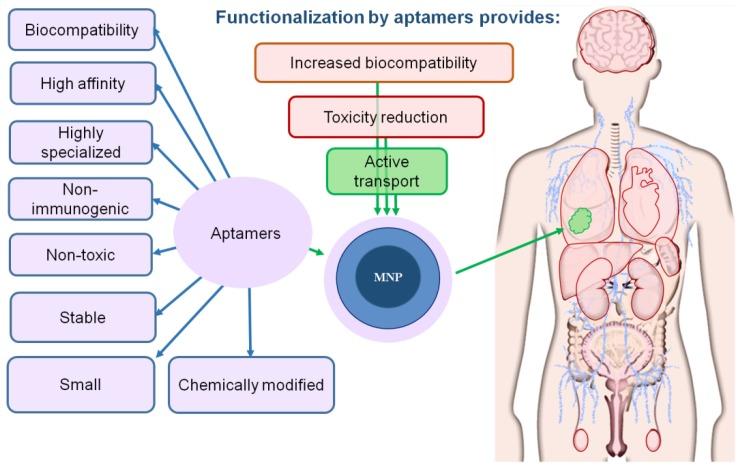
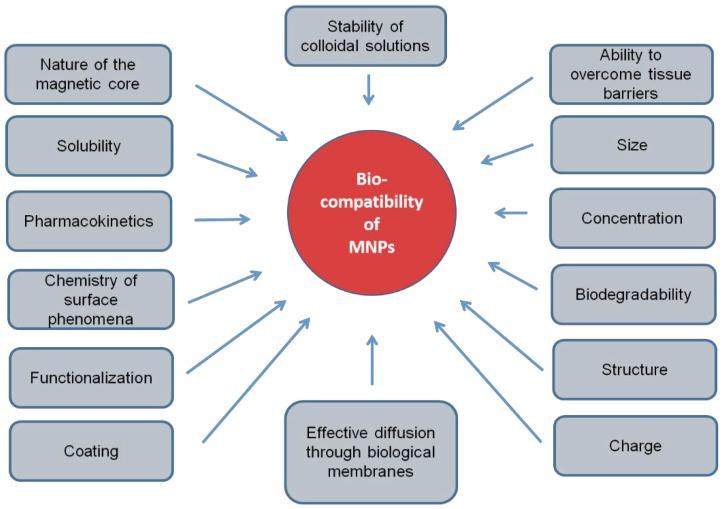
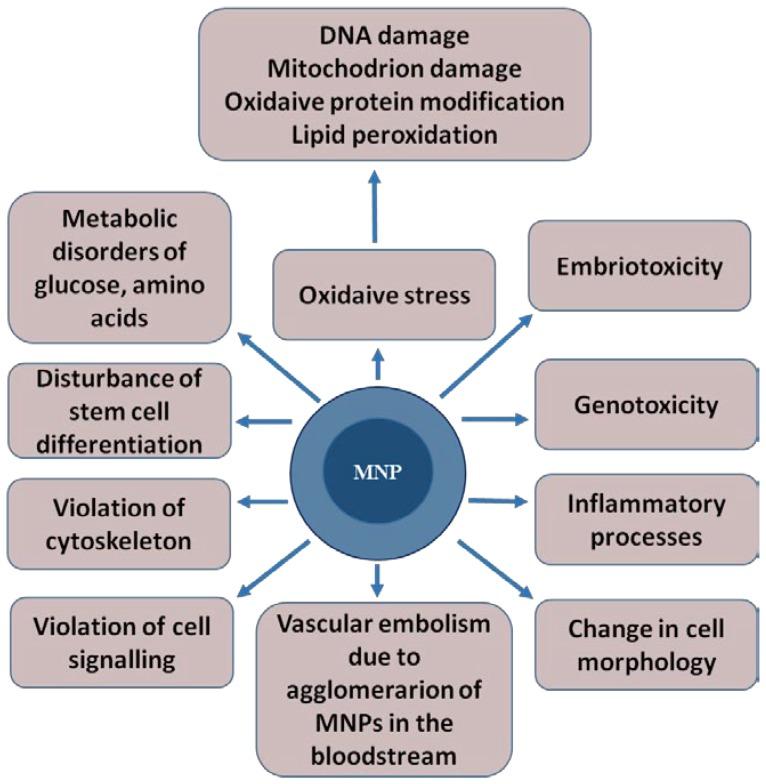
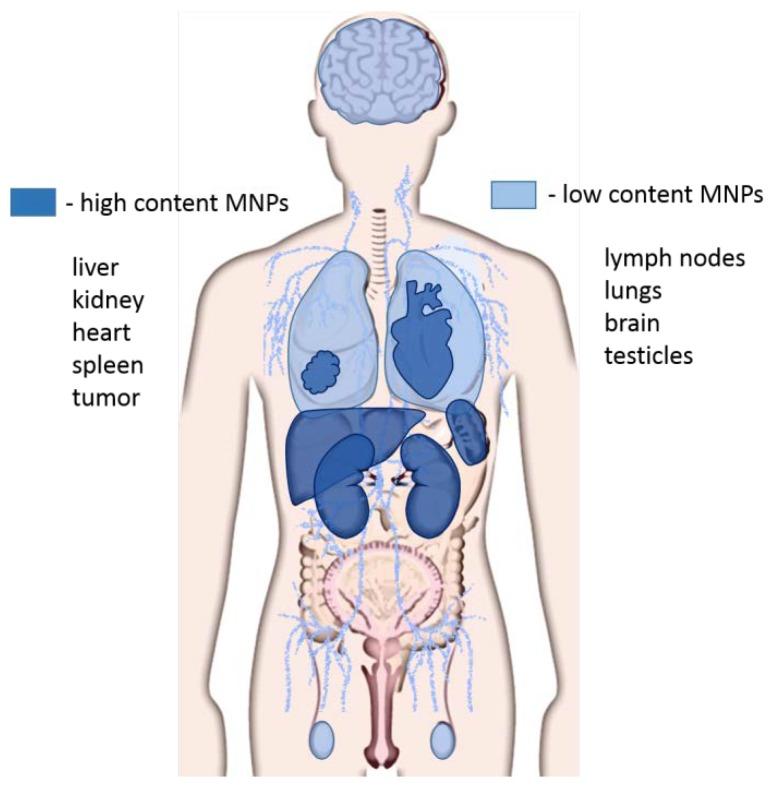
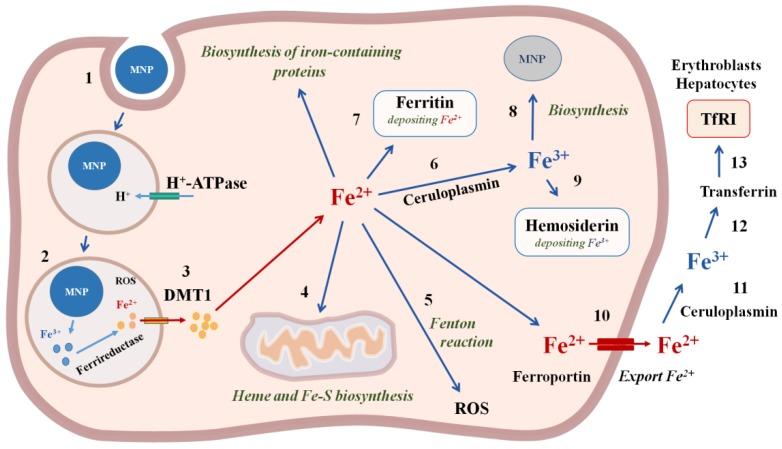
Aptamer-based approaches are very promising tools in nanomedicine. These small single-stranded DNA or RNA molecules are often used for the effective delivery and increasing biocompatibility of various therapeutic agents. Recently, magnetic nanoparticles (MNPs) have begun to be successfully applied in various fields of biomedicine. The use of MNPs is limited by their potential toxicity, which depends on their biocompatibility. The functionalization of MNPs by ligands increases biocompatibility by changing the charge and shape of MNPs, preventing opsonization, increasing the circulation time of MNPs in the blood, thus shielding iron ions and leading to the accumulation of MNPs only in the necessary organs. Among various ligands, aptamers, which are synthetic analogs of antibodies, turned out to be the most promising for the functionalization of MNPs. This review describes the factors that determine MNPs' biocompatibility and affect their circulation time in the bloodstream, biodistribution in organs and tissues, and biodegradation. The work also covers the role of the aptamers in increasing MNPs' biocompatibility and reducing toxicity.
基于适配体的方法是纳米医学中非常有前景的工具。这些小的单链DNA或RNA分子常用于各种治疗剂的有效递送和提高生物相容性。最近,磁性纳米颗粒(MNPs)已开始成功应用于生物医学的各个领域。MNPs的使用受到其潜在毒性的限制,这取决于它们的生物相容性。通过配体对MNPs进行功能化可通过改变MNPs的电荷和形状来提高生物相容性,防止调理作用,增加MNPs在血液中的循环时间,从而屏蔽铁离子并导致MNPs仅在必要器官中积累。在各种配体中,作为抗体合成类似物的适配体被证明是MNPs功能化最有前景的配体。本综述描述了决定MNPs生物相容性并影响其在血流中的循环时间、在器官和组织中的生物分布以及生物降解的因素。该工作还涵盖了适配体在提高MNPs生物相容性和降低毒性方面的作用。
 Zotero 插件