Józef Piłsudski University of Physical Education, Marymoncka 34, 00-968, Warsaw, Poland.
Department of Molecular and Clinical Medicine, Institute of Medicine, University of Gothenburg, Gothenburg, Sweden.
Appl Psychophysiol Biofeedback. 2020 Jun;45(2):49-55. doi: 10.1007/s10484-020-09456-1.
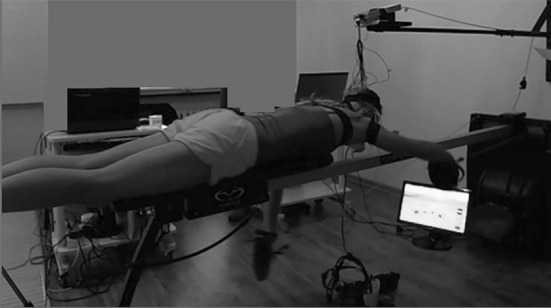
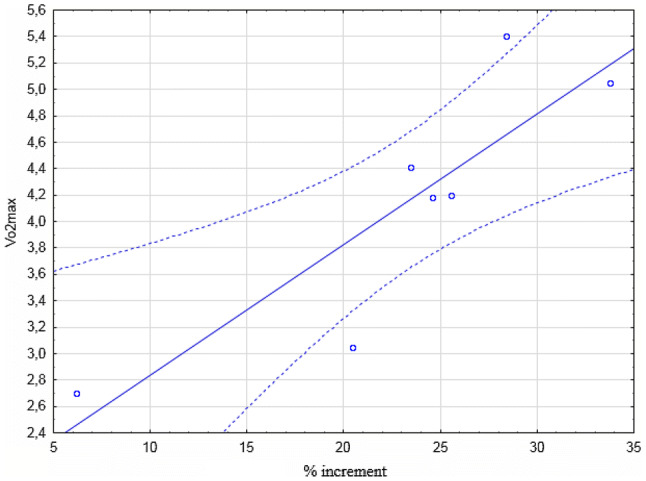
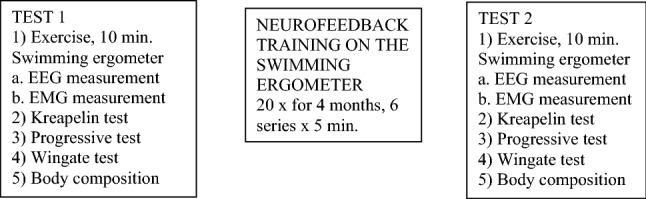
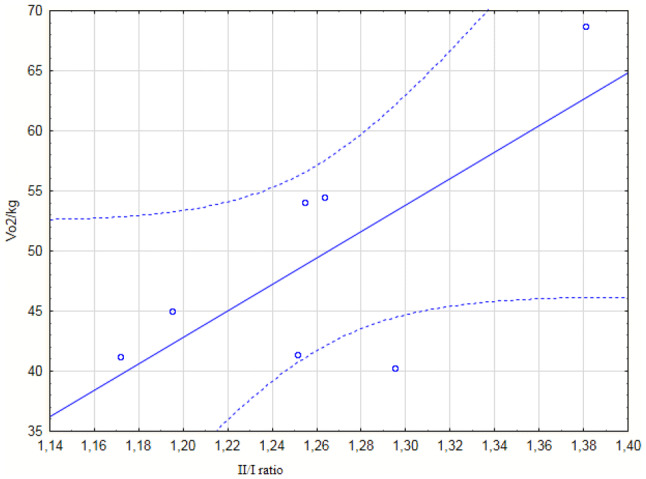
The aim of the study was to demonstrate the effects of the Neurofeedback-EEG training during physical exercise on the improvements in mental work performance and physiological parameters. The study examined seven swimmers based on the following anthropometric measurements: body height, body mass and body composition. The Kraepelin's work curve test, EEG and EMG during physical exercise were also performed. The athletes followed 20 Neurofeedback-EEG training sessions on the swimming ergometer for 4 months. Most mean indices of partial measures of the work curve were significantly modified (p < 0.05) following the Neurofeedback-EEG training. Mean level of maximal oxygen uptake in study participants was over 55 ml/kg/min, with statistically significant differences documented between the first and the second measurements. No significant differences were found in the fatigue rate between the measurements 1 and 2. The improved mental work performance following the Neurofeedback-EEG training facilitates optimization of psychomotor activities.
本研究旨在展示物理运动期间神经反馈-EEG 训练对改善精神工作表现和生理参数的影响。该研究基于以下人体测量学测量对七名游泳运动员进行了检查:身高、体重和身体成分。还进行了 Kraepelin 工作曲线测试、EEG 和 EMG 运动期间。运动员在游泳测功仪上进行了 20 次神经反馈-EEG 训练,为期 4 个月。神经反馈-EEG 训练后,工作曲线的大部分部分测量的平均指标都有显著改变(p < 0.05)。研究参与者的最大耗氧量平均水平超过 55 ml/kg/min,第一次和第二次测量之间记录到统计学上的显著差异。在测量 1 和测量 2 之间没有发现疲劳率的显著差异。神经反馈-EEG 训练后精神工作表现的改善促进了精神运动活动的优化。