Akter Sharmin, Sabuj Abdullah Al Momen, Haque Zobayda Farzana, Kafi Md Abdul, Rahman Md Tanvir, Saha Sukumar
Department of Microbiology and Hygiene, Faculty of Veterinary Science, Bangladesh Agricultural University, Mymensingh-2202, Bangladesh.
Vet World. 2020 Feb;13(2):266-274. doi: 10.14202/vetworld.2020.266-274. Epub 2020 Feb 12.
Houseflies () are synanthropic insects which serve as biological or mechanical vectors for spreading multidrug-resistant bacteria responsible for many infectious diseases. This study aimed to detect antibiotic-resistant bacteria from houseflies, and to examine their resistance genes.
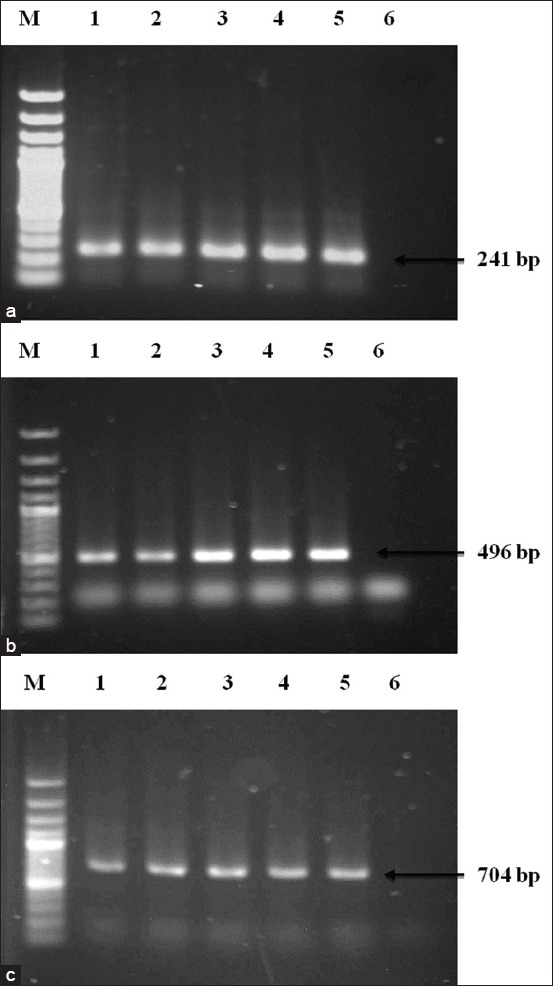
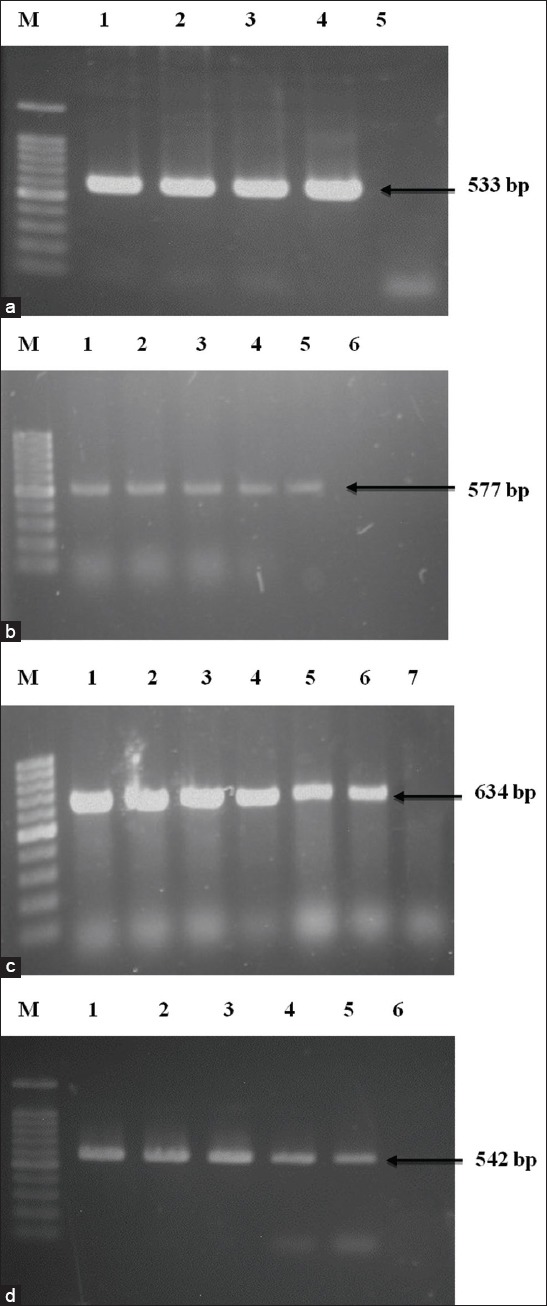
A total of 140 houseflies were captured using sterile nylon net from seven places of Mymensingh city, Bangladesh. Immediately after collection, flies were transferred to a sterile zipper bag and brought to microbiology laboratory within 1 h. Three bacterial species were isolated from houseflies, based on cultural and molecular tests. After that, the isolates were subjected to antimicrobial susceptibility testing against commonly used antibiotics, by the disk diffusion method. Finally, the detection of antibiotic resistance genes , , , , and was performed by a polymerase chain reaction.
The most common isolates were (78.6%), spp., (66.4%), and (51.4%). These species of bacteria were recovered from 78.3% of isolates from the Mymensingh Medical College Hospital areas. Most of the isolates of the three bacterial species were resistant to erythromycin, tetracycline, penicillin and amoxicillin and were sensitive to ciprofloxacin, ceftriaxone, chloramphenicol, gentamicin, and azithromycin. Five antibiotic resistance genes of three bacteria were detected: , , , and were found in 37%, 20%, 20%, and 14% isolates, respectively, and no isolates were positive for gene.
, spp., and with genetically-mediated multiple antibiotic resistance are carried in houseflies in the Mymensingh region. Flies may, therefore, represent an important means of transmission of these antibiotic-resistant bacteria, with consequent risks to human and animal health.
家蝇是与人类共生的昆虫,可作为生物或机械载体传播导致多种传染病的多重耐药细菌。本研究旨在检测家蝇体内的抗生素耐药细菌,并检测其耐药基因。
使用无菌尼龙网从孟加拉国迈门辛市的七个地点捕获了总共140只家蝇。采集后立即将家蝇转移到无菌拉链袋中,并在1小时内带回微生物实验室。通过培养和分子检测从家蝇中分离出三种细菌。之后,采用纸片扩散法对分离株进行常用抗生素的药敏试验。最后,通过聚合酶链反应检测抗生素耐药基因blaTEM、blaSHV、blaCTX-M、tetA、tetB和ermB。
最常见的分离株是大肠埃希菌(78.6%)、肺炎克雷伯菌属(66.4%)和金黄色葡萄球菌(51.4%)。这些细菌种类从迈门辛医学院医院地区78.3%的分离株中分离得到。这三种细菌的大多数分离株对红霉素、四环素、青霉素和阿莫西林耐药,对环丙沙星、头孢曲松、氯霉素、庆大霉素和阿奇霉素敏感。检测到三种细菌的五个抗生素耐药基因:blaTEM、blaSHV、blaCTX-M、tetA和tetB分别在37%、20%、20%和14%的分离株中被发现,没有分离株对ermB基因呈阳性。
迈门辛地区的家蝇携带具有基因介导的多重抗生素耐药性的大肠埃希菌、肺炎克雷伯菌属和金黄色葡萄球菌。因此,家蝇可能是这些抗生素耐药细菌传播的重要途径,从而对人类和动物健康构成风险。