Thongprayoon Charat, Kaewput Wisit, Kovvuru Karthik, Hansrivijit Panupong, Kanduri Swetha R, Bathini Tarun, Chewcharat Api, Leeaphorn Napat, Gonzalez-Suarez Maria L, Cheungpasitporn Wisit
Division of Nephrology, Department of Medicine, Mayo Clinic, Rochester, MN 55905, USA.
Department of Military and Community Medicine, Phramongkutklao College of Medicine, Bangkok 10400, Thailand.
J Clin Med. 2020 Apr 13;9(4):1107. doi: 10.3390/jcm9041107.
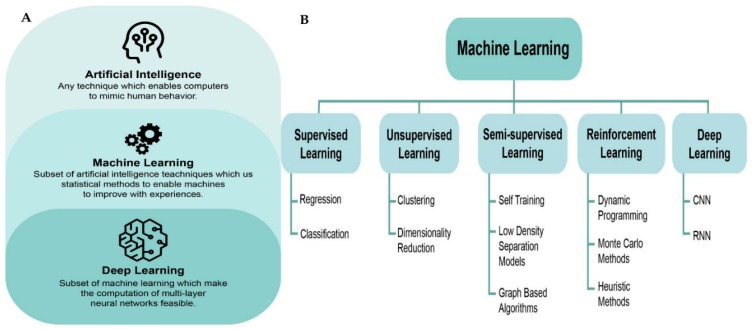
Kidney diseases form part of the major health burdens experienced all over the world. Kidney diseases are linked to high economic burden, deaths, and morbidity rates. The great importance of collecting a large quantity of health-related data among human cohorts, what scholars refer to as "big data", has increasingly been identified, with the establishment of a large group of cohorts and the usage of electronic health records (EHRs) in nephrology and transplantation. These data are valuable, and can potentially be utilized by researchers to advance knowledge in the field. Furthermore, progress in big data is stimulating the flourishing of artificial intelligence (AI), which is an excellent tool for handling, and subsequently processing, a great amount of data and may be applied to highlight more information on the effectiveness of medicine in kidney-related complications for the purpose of more precise phenotype and outcome prediction. In this article, we discuss the advances and challenges in big data, the use of EHRs and AI, with great emphasis on the usage of nephrology and transplantation.
肾脏疾病是全球主要的健康负担之一。肾脏疾病与高经济负担、死亡率和发病率相关。随着大量队列的建立以及电子健康记录(EHRs)在肾脏病学和移植领域的应用,收集人类队列中大量与健康相关数据(学者们称之为“大数据”)的重要性日益凸显。这些数据很有价值,研究人员有可能利用它们来推动该领域的知识进步。此外,大数据的进展正在促进人工智能(AI)的蓬勃发展,人工智能是处理和随后处理大量数据的出色工具,可用于突出更多关于药物在肾脏相关并发症中的有效性的信息,以实现更精确的表型和结果预测。在本文中,我们将讨论大数据、电子健康记录和人工智能的进展与挑战,重点是它们在肾脏病学和移植领域的应用。