Department of Radiology and Imaging Sciences, Emory University, Atlanta, Georgia, USA.
Vascular Biology Program, Department of Surgery, Boston Children's Hospital and Harvard Medical School, Boston, Massachusetts, USA.
Wiley Interdiscip Rev Nanomed Nanobiotechnol. 2020 Nov;12(6):e1644. doi: 10.1002/wnan.1644. Epub 2020 May 20.
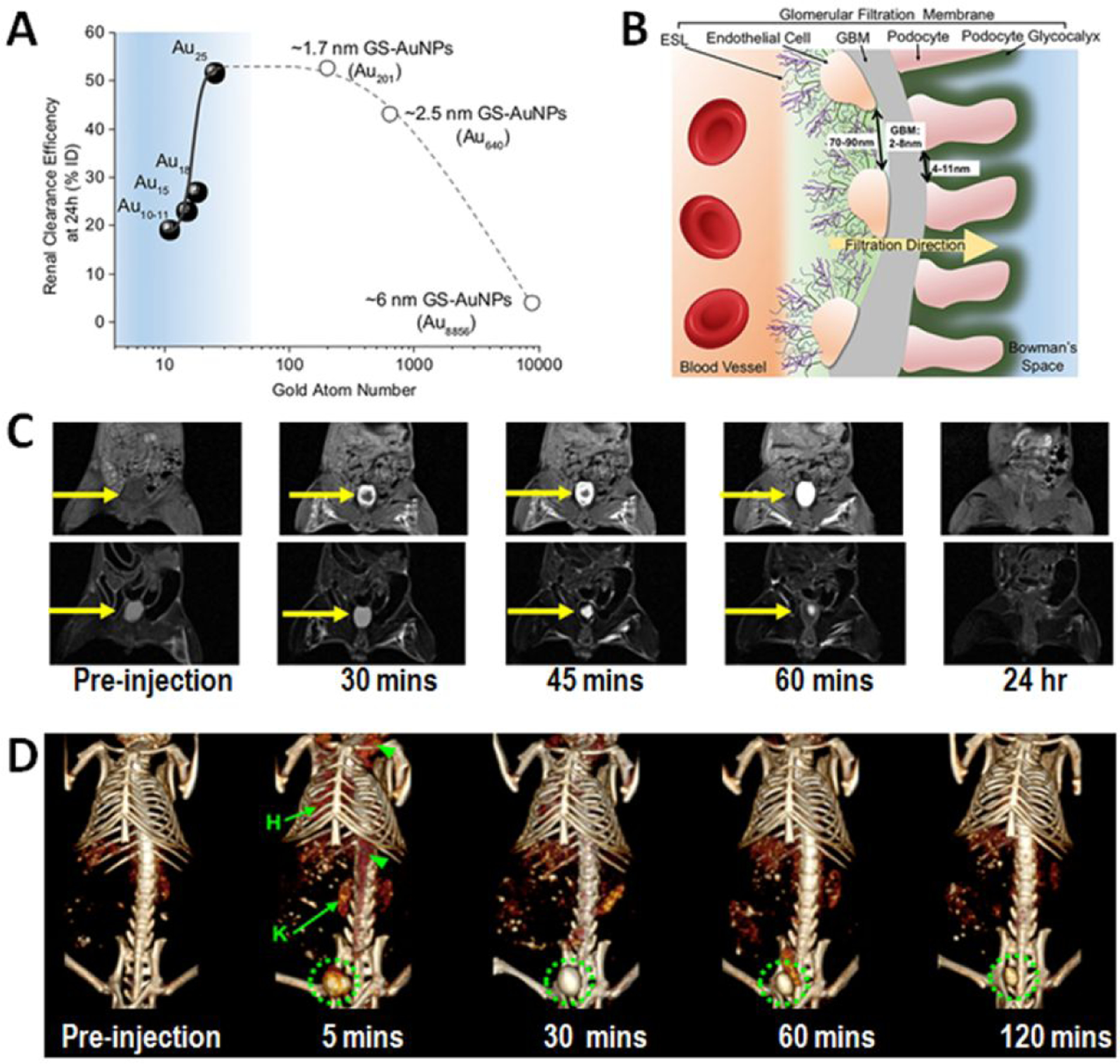
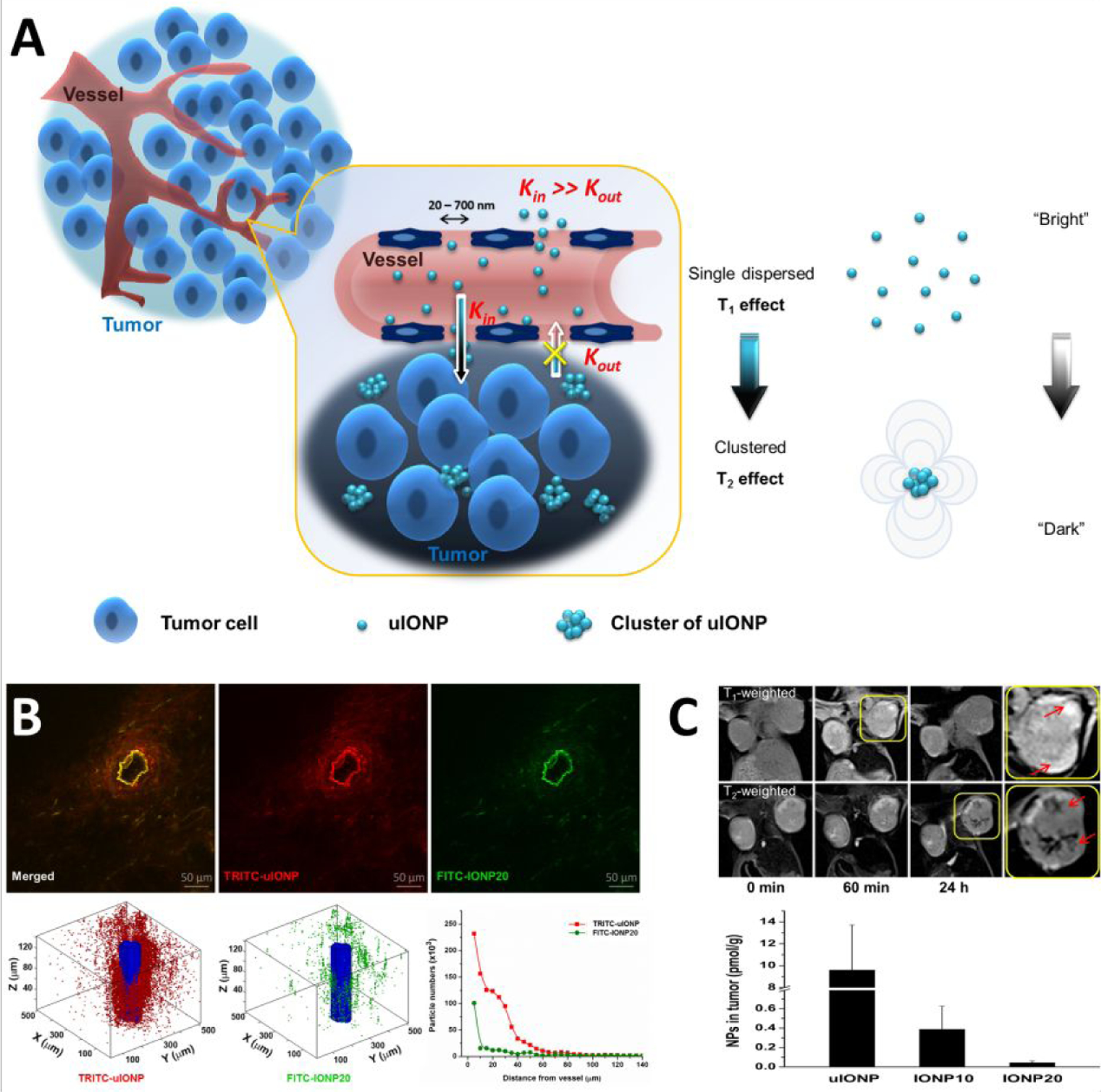
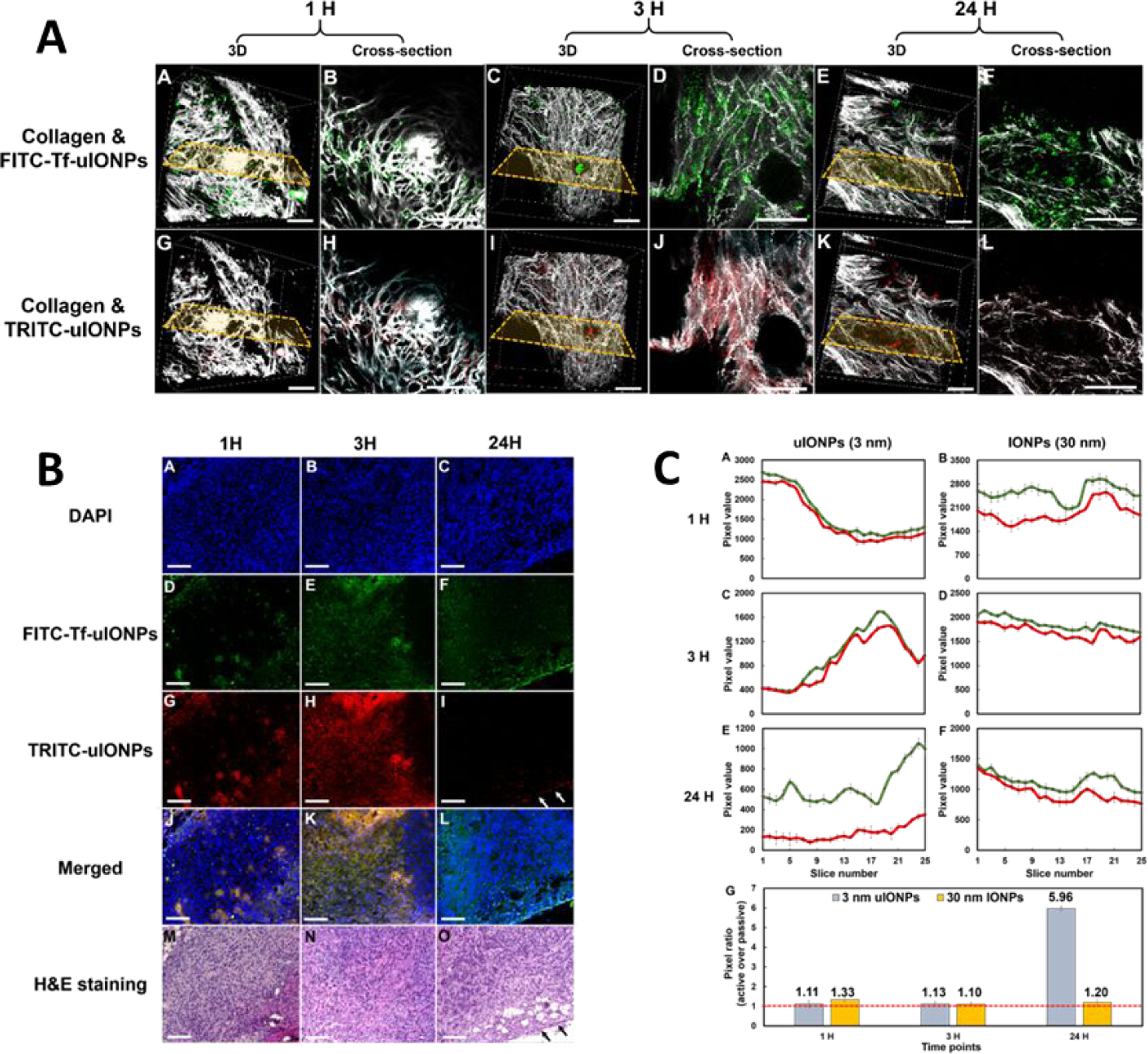
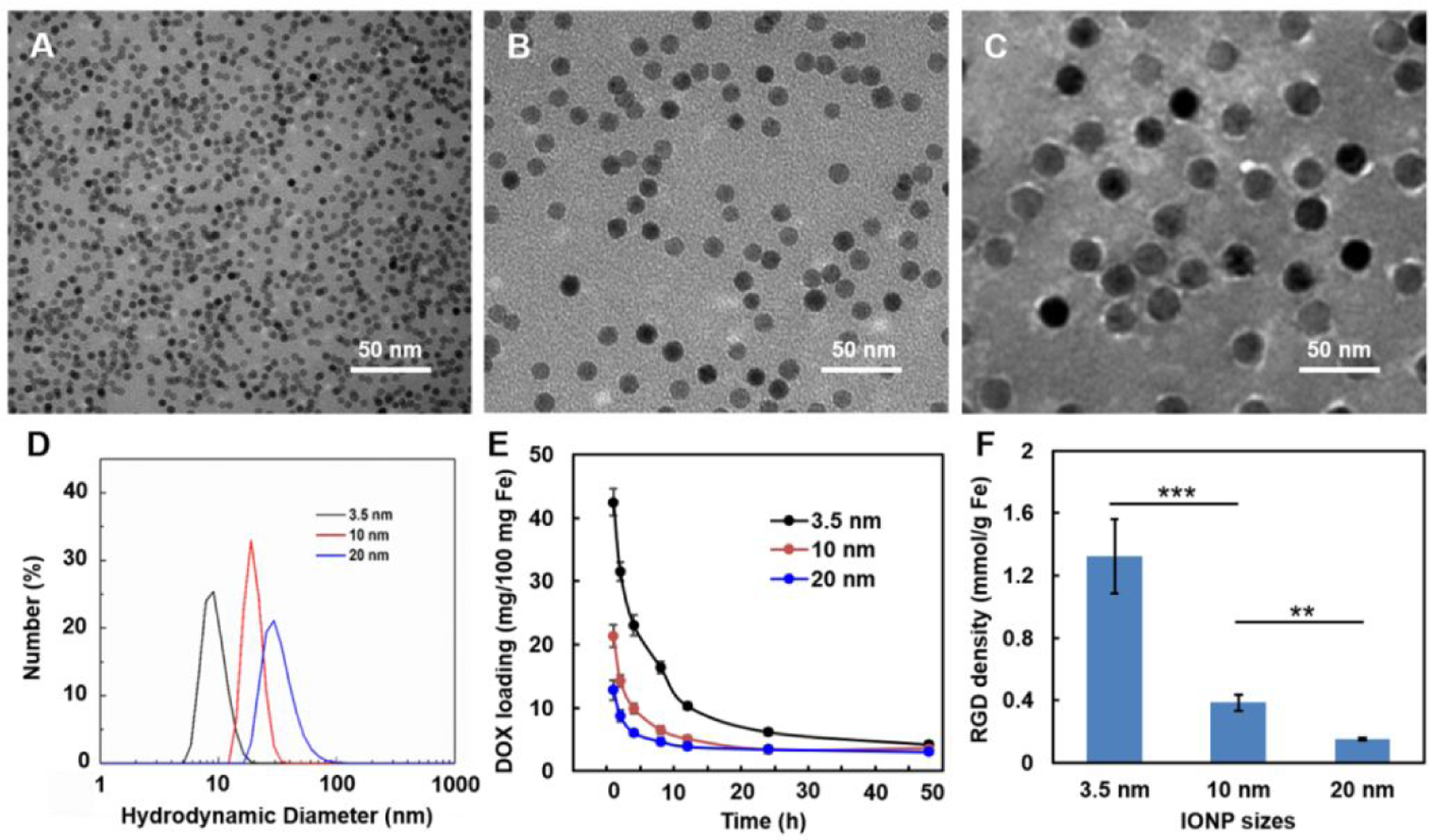
The rapid development and advances in nanomaterials and nanotechnology in the past two decades have made profound impact in our approaches to individualized disease diagnosis and treatment. Nanomaterials, mostly in the range of 10-200 nm, developed for biomedical applications provide a wide range of platforms for building and engineering functionalized structures, devices, or systems to fulfill the specific diagnostic and therapeutic needs. Driven by achieving the ultimate goal of clinical translation, sub-5 nm nano-constructs, in particular inorganic nanoparticles such as gold, silver, silica, and iron oxide nanoparticles, have been developed in recent years to improve the biocompatibility, delivery and pharmacokinetics of imaging probes and drug delivery systems, as well as in vivo theranostic applications. The emerging studies have provided new findings that demonstrated the unique size-dependent physical properties, physiological behaviors and biological functions of the nanomaterials in the range of the sub-5 nm scale, including renal clearance, novel imaging contrast, and tissue distribution. This advanced review attempts to introduce the new strategies of rational design for engineering nanoparticles with the core sizes under 5 nm in consideration of the clinical and translational requirements. We will provide readers the update on recent discoveries of chemical, physical, and biological properties of some biocompatible sub-5 nm nanomaterials as well as their demonstrated imaging and theranostic applications, followed by sharing our perspectives on the future development of this class of nanomaterials. This article is categorized under: Diagnostic Tools > in vivo Nanodiagnostics and Imaging Implantable Materials and Surgical Technologies > Nanomaterials and Implants.
在过去的二十年中,纳米材料和纳米技术的快速发展和进步对我们个性化疾病诊断和治疗的方法产生了深远的影响。为生物医学应用而开发的纳米材料,大多处于 10-200nm 的范围内,为构建和工程功能化结构、器件或系统提供了广泛的平台,以满足特定的诊断和治疗需求。受实现临床转化这一终极目标的驱动,近年来,亚 5nm 的纳米结构,特别是金、银、硅和氧化铁等无机纳米粒子,已经被开发出来,以提高成像探针和药物输送系统的生物相容性、输送和药代动力学特性,以及体内治疗应用。新出现的研究提供了新的发现,证明了亚 5nm 尺度范围内纳米材料独特的、依赖于尺寸的物理特性、生理行为和生物学功能,包括肾脏清除率、新型成像对比和组织分布。本综述尝试介绍了在考虑临床和转化需求的情况下,用核心尺寸小于 5nm 的纳米粒子进行合理设计的新策略。我们将为读者提供一些生物相容性亚 5nm 纳米材料的化学、物理和生物学性质的最新发现及其已证明的成像和治疗应用的更新,并分享我们对这一类纳米材料未来发展的看法。本文属于以下分类:诊断工具 > 体内纳米诊断和成像 可植入材料和外科技术 > 纳米材料和植入物。