Gai Xiaoxiao, Liu Chenghu, Wang Guowei, Qin Yang, Fan Chunguang, Liu Jia, Shi Yanping
Department of Biological Evaluation, Shandong Quality Inspection Center for Medical Devices, NO.15166 Century Avenue, H-T Industrial Development Zone, Jinan 250101, China.
Shandong Key Laboratory of Biological Evaluation for Medical Devices, NO.15166 Century Avenue, H-T Industrial Development Zone, Jinan 250101, China.
Regen Biomater. 2020 Jun;7(3):321-329. doi: 10.1093/rb/rbaa017. Epub 2020 May 1.
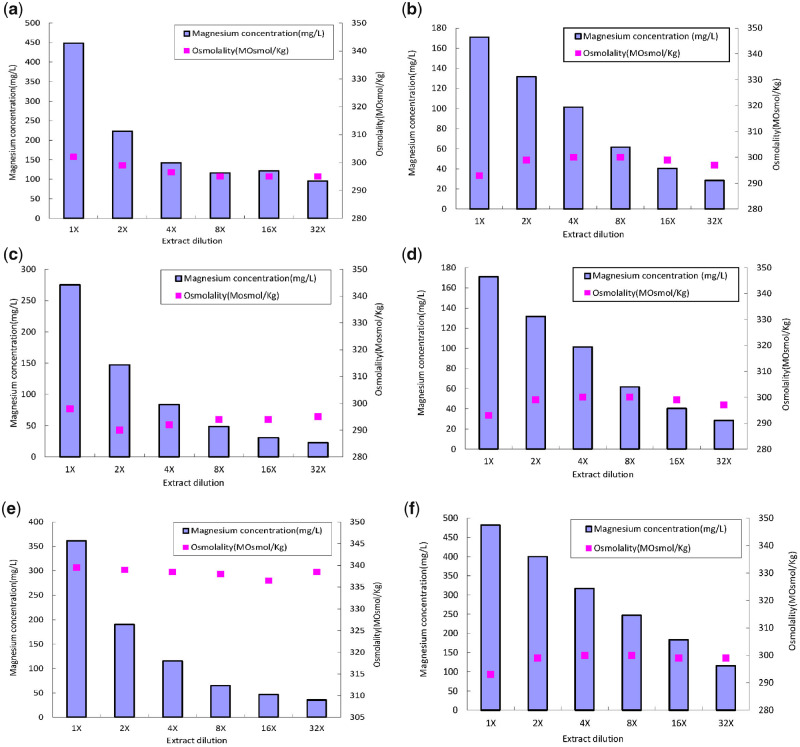
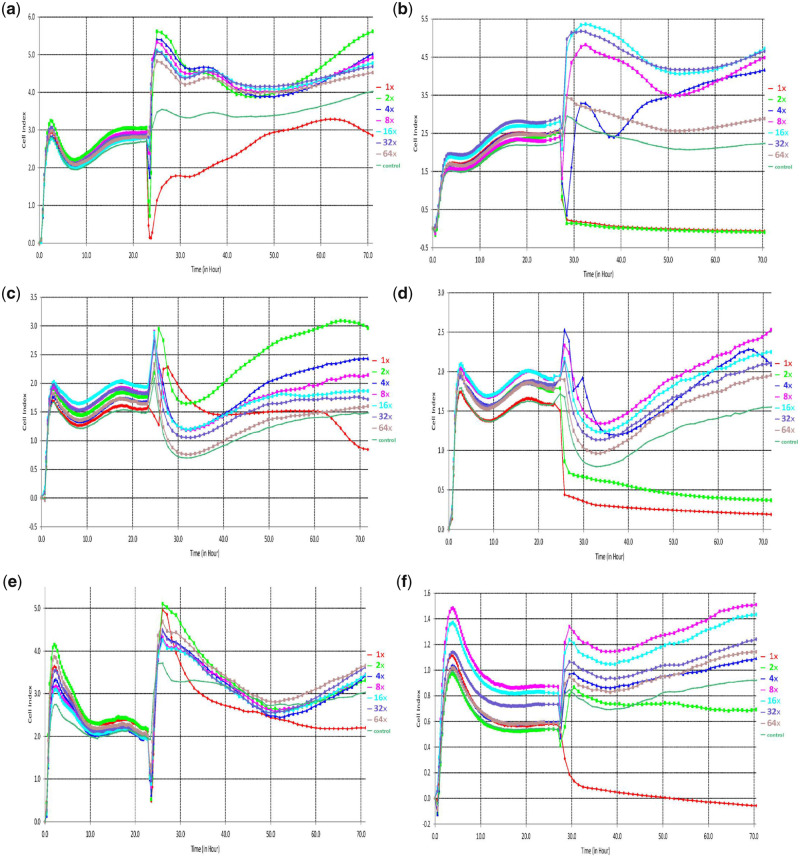
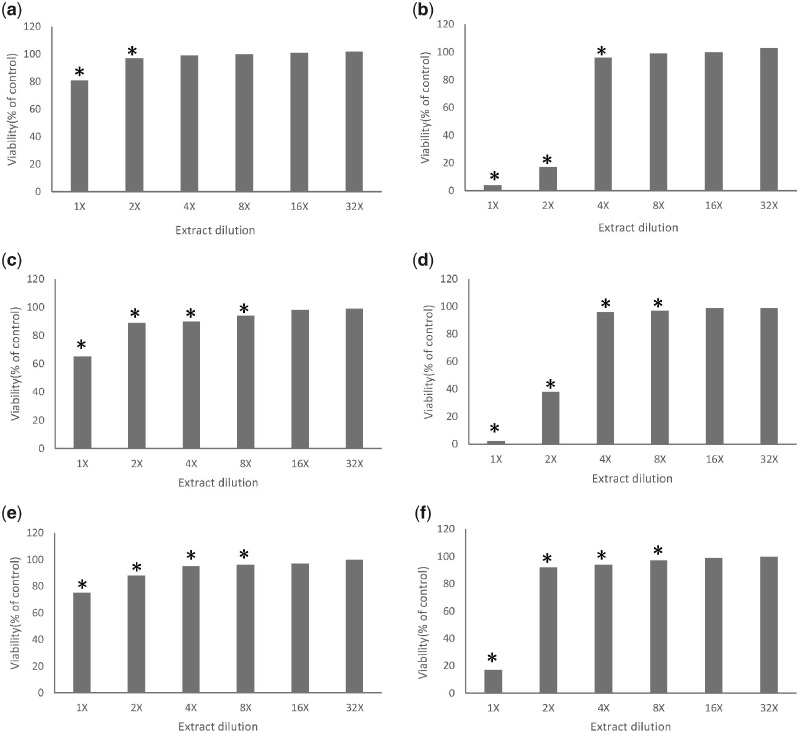
Degradable biomaterials have emerged as a promising type of medical materials because of their unique advantages of biocompatibility, biodegradability and biosafety. Owing to their bioabsorbable and biocompatible properties, magnesium-based biomaterials are considered as ideal degradable medical implants. However, the rapid corrosion of magnesium-based materials not only limits their clinical application but also necessitates a more specific biological evaluation system and biosafety standard. In this study, extracts of pure Mg and its calcium alloy were prepared using different media based on ISO 10993:12; the Mg concentration and osmolality of each extract were measured. The biocompatibility was investigated using the MTT assay and xCELLigence real-time cell analysis (RTCA). Cytotoxicity tests were conducted with L929, MG-63 and human umbilical vein endothelial cell lines. The results of the RTCA highly matched with those of the MTT assay and revealed the different dynamic modes of the cytotoxic process, which are related to the differences in the tested cell lines, Mg-based materials and dilution rates of extracts. This study provides an insight on the biocompatibility of biodegradable materials from the perspective of cytotoxic dynamics and suggests the applicability of RTCA for the cytotoxic evaluation of degradable biomaterials.
可降解生物材料因其生物相容性、生物可降解性和生物安全性等独特优势,已成为一种很有前景的医用材料类型。由于其生物可吸收和生物相容特性,镁基生物材料被视为理想的可降解医用植入物。然而,镁基材料的快速腐蚀不仅限制了它们的临床应用,还需要更具体的生物学评估体系和生物安全标准。在本研究中,基于ISO 10993:12使用不同培养基制备了纯镁及其钙合金的提取物;测量了每种提取物的镁浓度和渗透压。使用MTT法和xCELLigence实时细胞分析(RTCA)研究了生物相容性。对L929、MG-63和人脐静脉内皮细胞系进行了细胞毒性测试。RTCA的结果与MTT法的结果高度匹配,并揭示了细胞毒性过程的不同动态模式,这与受试细胞系、镁基材料和提取物稀释率的差异有关。本研究从细胞毒性动力学角度对可降解材料的生物相容性提供了见解,并表明RTCA在可降解生物材料细胞毒性评估中的适用性。