CAS Key Laboratory of Microbial Physiological and Metabolic Engineering, State Key Laboratory of Microbial Resources, Institute of Microbiology, Chinese Academy of Sciences, Beijing 100101, China.
School of Industrial Technology, Universiti Sains Malaysia, Penang 11800, Malaysia.
Int J Mol Sci. 2020 Jun 29;21(13):4608. doi: 10.3390/ijms21134608.
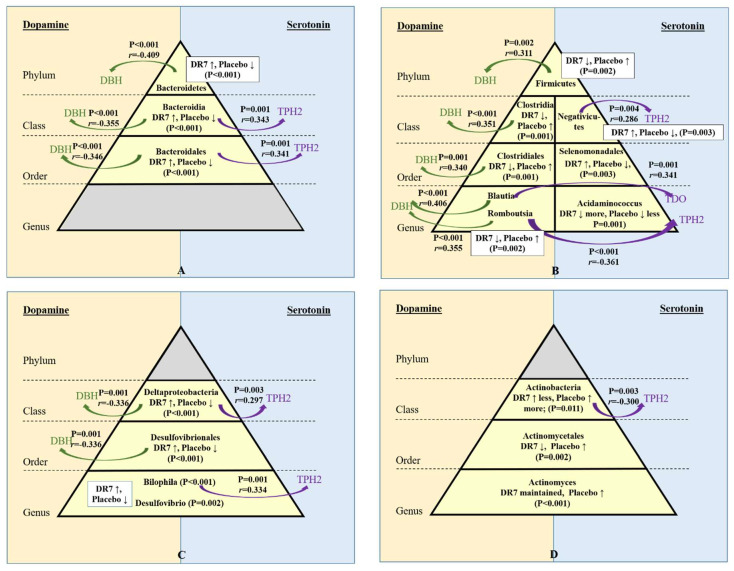
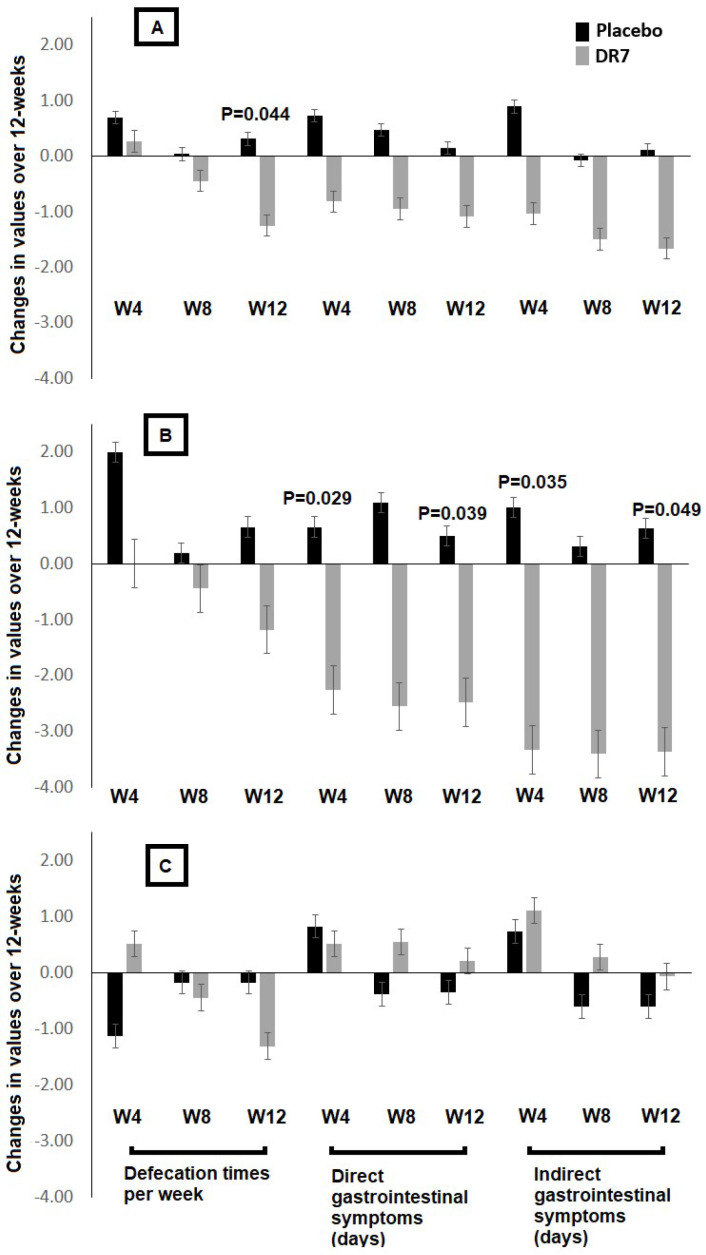
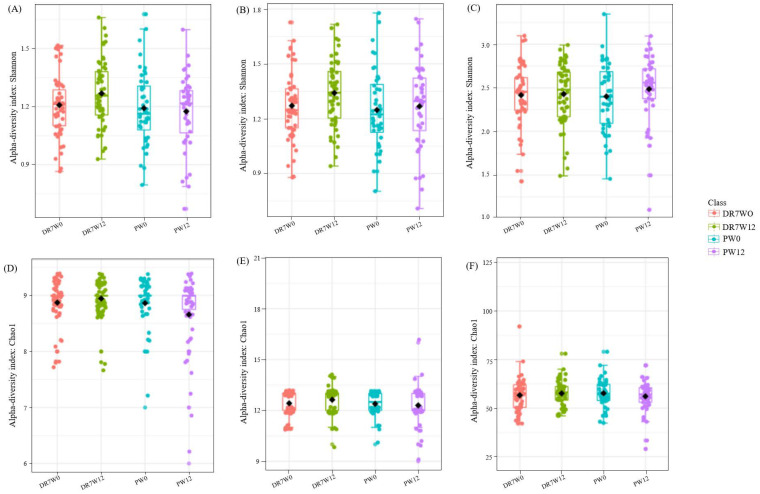
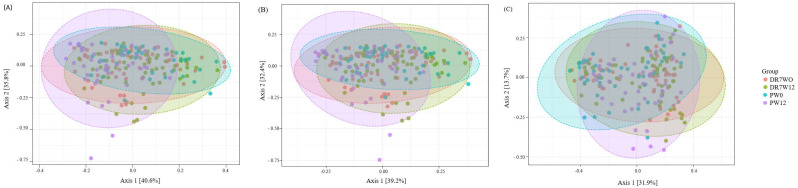
We have previously reported that the administration of DR7 for 12 weeks reduced stress and anxiety in stressed adults as compared to the placebo group, in association with changes along the brain neurotransmitters pathways of serotonin and dopamine-norepinephrine. We now aim to evaluate the effects of DR7 on gut functions, gut microbiota compositional changes, and determine the correlations between microbiota changes and the pathways of brain neurotransmitters. The administration of DR7 prevented an increase of defecation frequency over 12 weeks as compared to the placebo ( = 0.044), modulating the increase of stress-induced bowel movement. Over 12 weeks, alpha diversity of gut microbiota was higher in DR7 than the placebo group across class ( = 0.005) and order ( = 0.018) levels, while beta diversity differed between groups at class and order levels ( < 0.001). Differences in specific bacterial groups were identified, showing consistency at different taxonomic levels that survived multiplicity correction, along the phyla of Bacteroides and Firmicutes and along the classes of Deltaproteobacteria and Actinobacteria. Bacteroidetes, Bacteroidia, and Bacteroidales which were reduced in abundance in the placebo group showed opposing correlation with gene expression of dopamine beta hydrolase (DBH, dopamine pathway; < 0.001), while Bacteroidia and Bacteroidales showed correlation with tryptophan hydroxylase-II (TPH2, serotonin pathway; = 0.001). A correlation was observed between DBH and Firmicutes ( = 0.002), Clostridia ( < 0.001), Clostridiales ( = 0.001), ( < 0.001), and ( < 0.001), which were increased in abundance in the placebo group. was also associated with TDO ( = 0.001), whereas had an opposing correlation with TPH2 ( < 0.001). Deltaproteobacteria and Desulfovibrionales which were decreased in abundance in the placebo group showed opposing correlation with DBH ( = 0.001), whereas was associated with TPH2 ( = 0.001). Our present data showed that physiological changes induced by DR7 could be associated with changes in specific taxa of the gut microbiota along the serotonin and dopamine pathways.
我们之前的研究报告显示,与安慰剂组相比,DR7 给药 12 周可减少压力成年人的压力和焦虑,这与血清素和多巴胺-去甲肾上腺素的脑神经递质途径的变化有关。我们现在的目的是评估 DR7 对肠道功能、肠道微生物群落组成变化的影响,并确定微生物群落变化与脑神经递质途径之间的相关性。与安慰剂相比,DR7 给药可防止 12 周内排便频率的增加(= 0.044),调节应激引起的肠蠕动增加。在 12 周内,DR7 组的肠道微生物群落的 α 多样性高于安慰剂组,在纲(= 0.005)和目(= 0.018)水平上均有差异,而在纲和目水平上两组的 β 多样性不同(< 0.001)。确定了特定细菌群的差异,这些差异在经过多重校正后,在厚壁菌门和Firmicutes 门以及δ变形菌纲和放线菌纲中具有一致性。在安慰剂组中丰度降低的拟杆菌门、拟杆菌纲和拟杆菌目与多巴胺-β-羟化酶(DBH,多巴胺途径;< 0.001)的基因表达呈相反的相关性,而拟杆菌纲和拟杆菌目与色氨酸羟化酶-II(TPH2,血清素途径;= 0.001)呈相关性。观察到 DBH 与厚壁菌门(= 0.002)、梭菌纲(< 0.001)、梭菌目(= 0.001)、乳杆菌属(< 0.001)和双歧杆菌属(< 0.001)之间存在相关性,这些菌在安慰剂组中丰度增加。Desulfovibrionales 也与 TDO(= 0.001)相关,而与 TPH2(< 0.001)呈相反的相关性。在安慰剂组中丰度降低的δ变形菌纲和脱硫弧菌科与 DBH 呈相反的相关性(= 0.001),而与 TPH2 呈相关性(= 0.001)。我们目前的数据表明,DR7 诱导的生理变化可能与沿血清素和多巴胺途径的肠道微生物群的特定分类群变化有关。