James Hutton Institute, Invergowrie, Dundee, Scotland DD2 5DA, U.K.
School of Biosciences, Cardiff University, Cardiff CF10 3AX, Wales, U.K.
Essays Biochem. 2020 Sep 23;64(3):401-421. doi: 10.1042/EBC20190082.
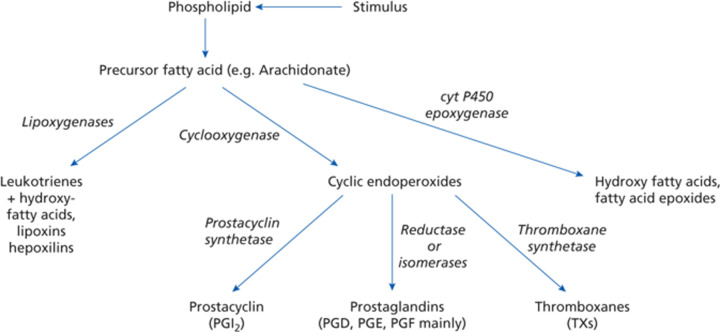
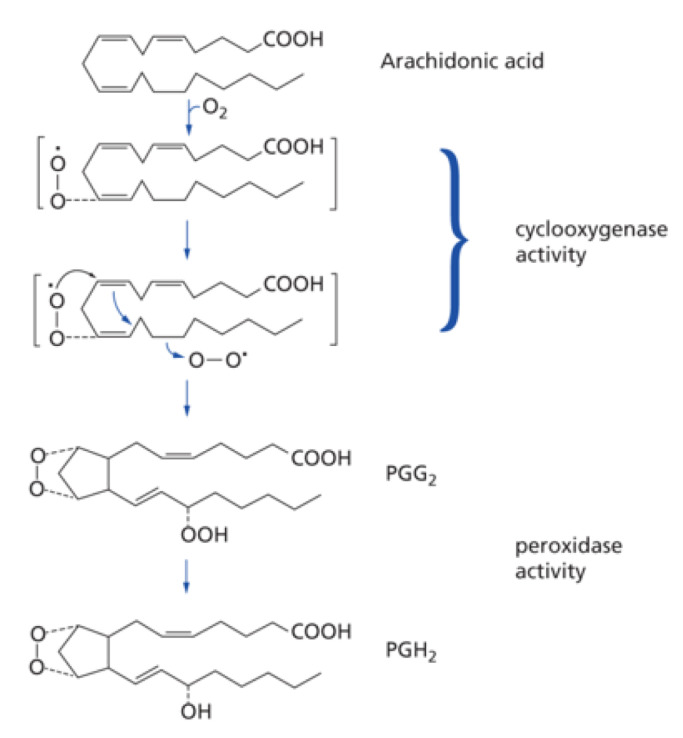
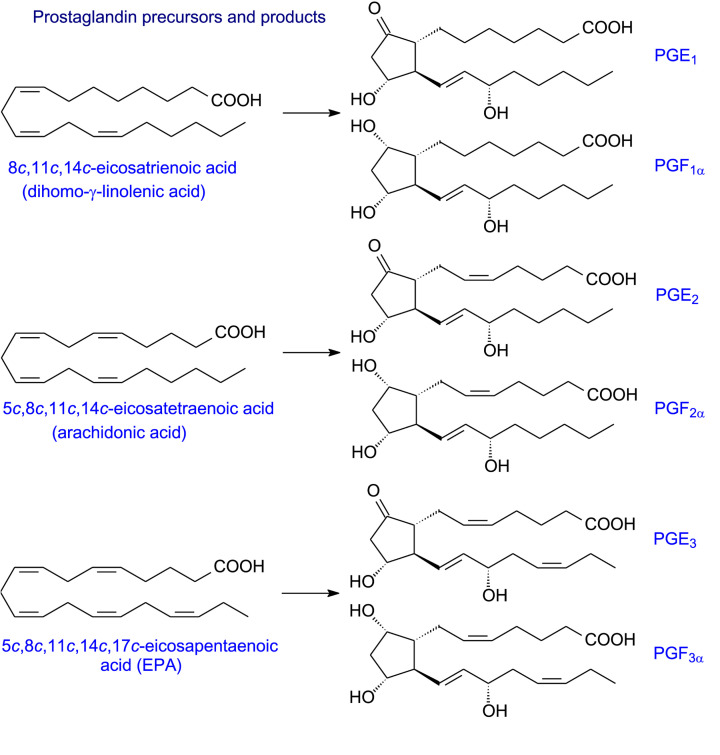
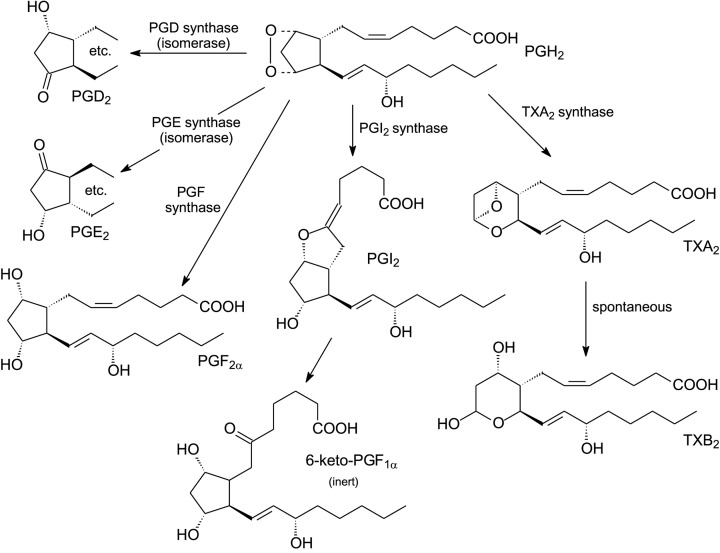
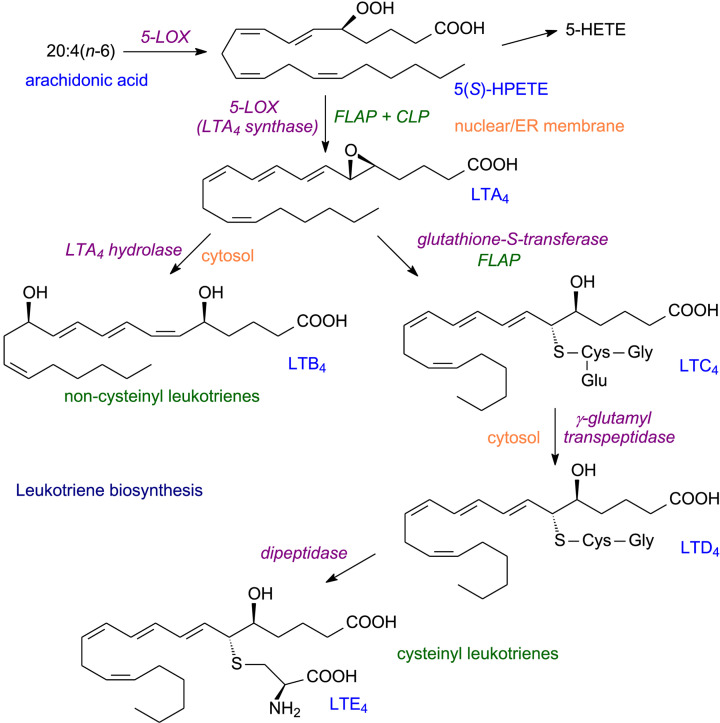
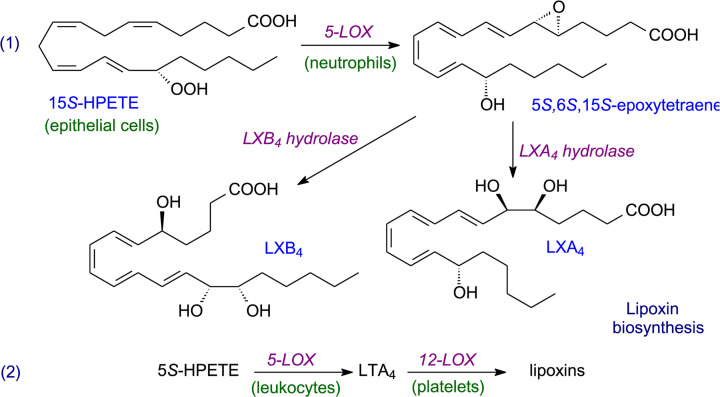
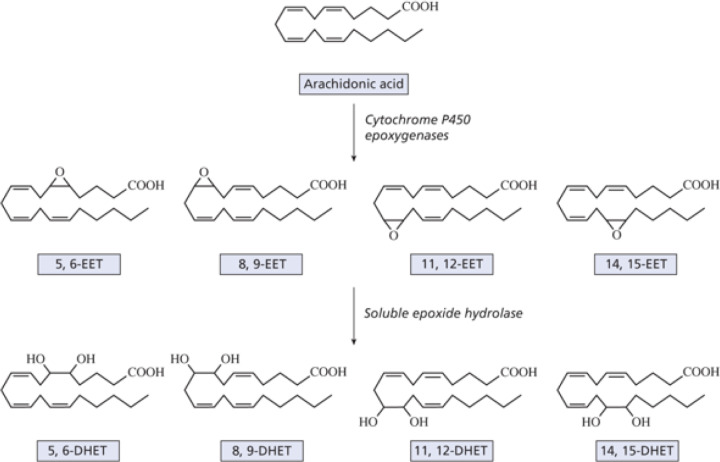
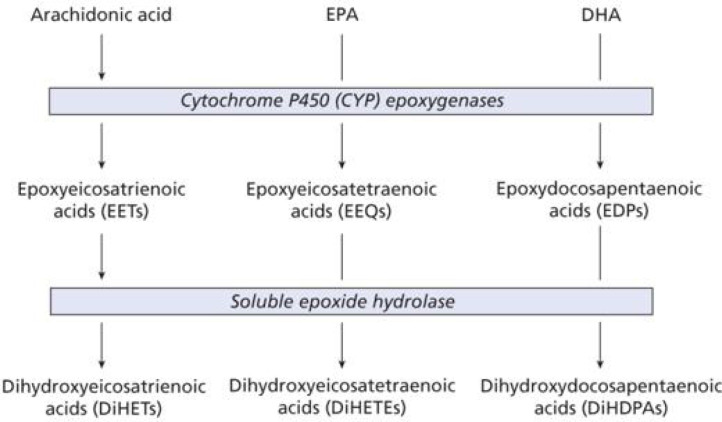
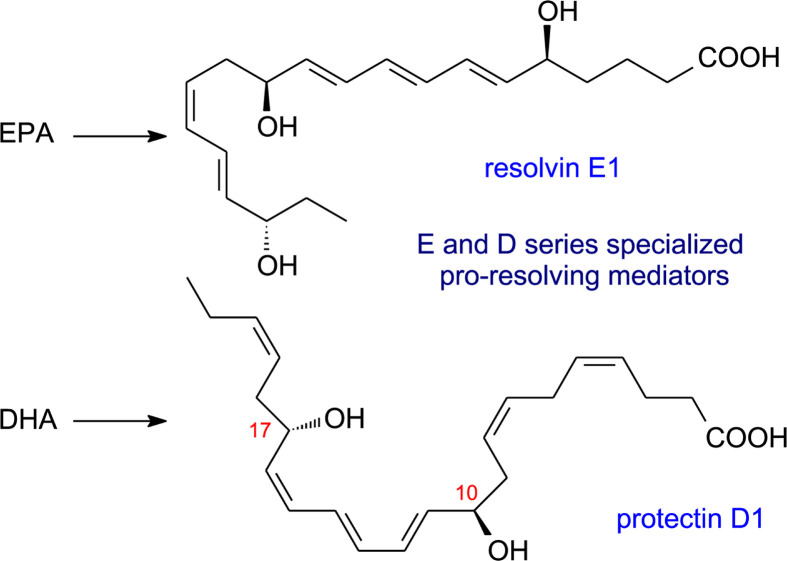
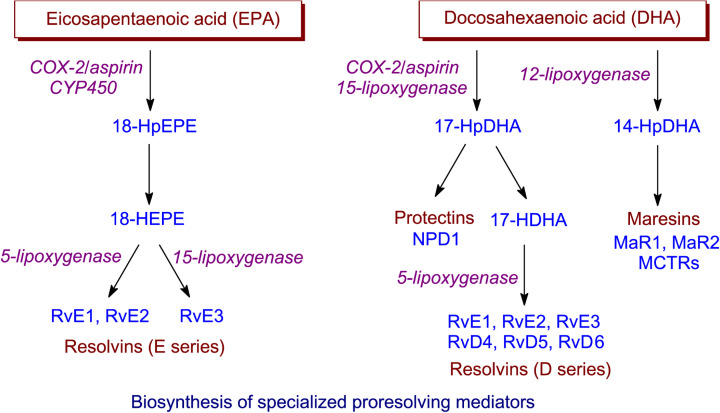
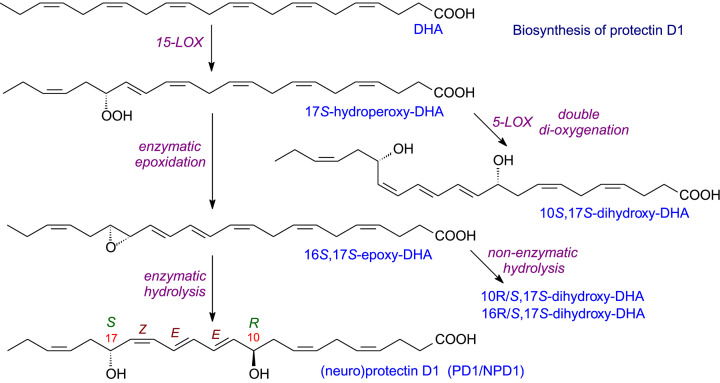
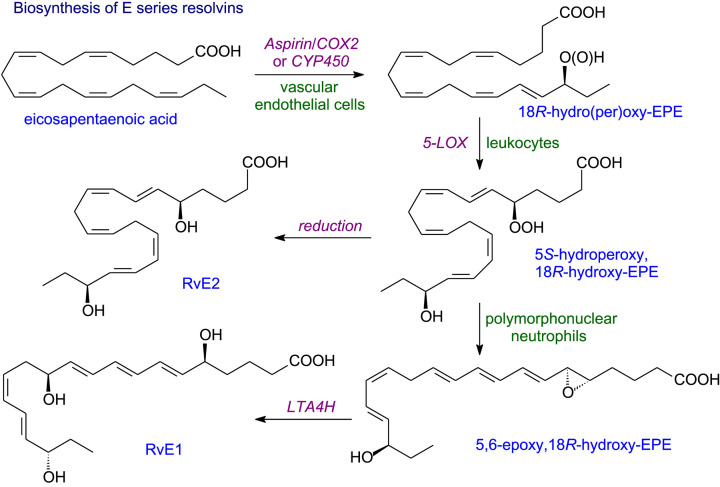
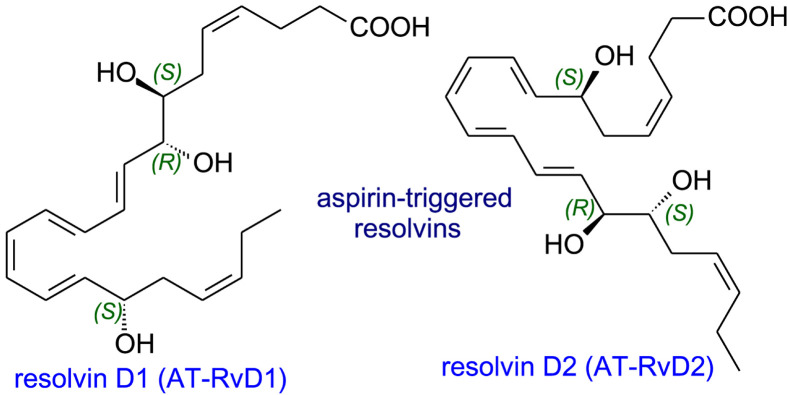
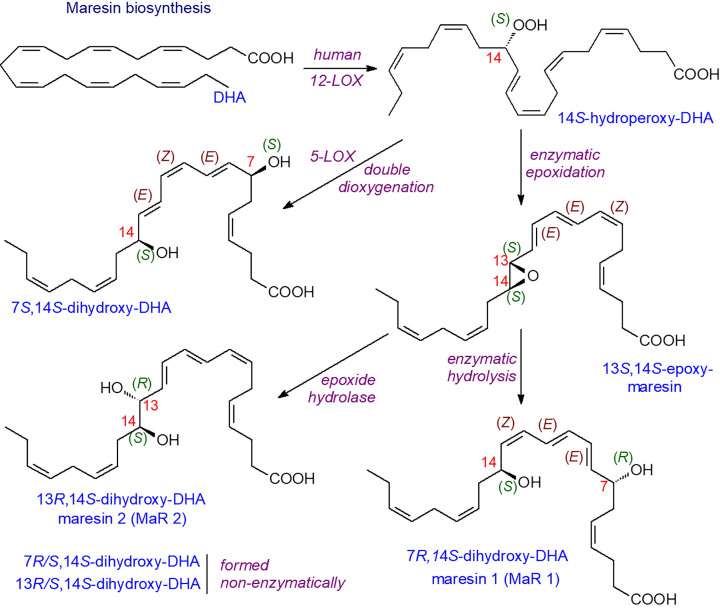
The chemistry, biochemistry, pharmacology and molecular biology of oxylipins (defined as a family of oxygenated natural products that are formed from unsaturated fatty acids by pathways involving at least one step of dioxygen-dependent oxidation) are complex and occasionally contradictory subjects that continue to develop at an extraordinarily rapid rate. The term includes docosanoids (e.g. protectins, resolvins and maresins, or specialized pro-resolving mediators), eicosanoids and octadecanoids and plant oxylipins, which are derived from either the omega-6 (n-6) or the omega-3 (n-3) families of polyunsaturated fatty acids. For example, the term eicosanoid is used to embrace those biologically active lipid mediators that are derived from C20 fatty acids, and include prostaglandins, thromboxanes, leukotrienes, hydroxyeicosatetraenoic acids and related oxygenated derivatives. The key enzymes for the production of prostanoids are prostaglandin endoperoxide H synthases (cyclo-oxygenases), while lipoxygenases and oxidases of the cytochrome P450 family produce numerous other metabolites. In plants, the lipoxygenase pathway from C18 polyunsaturated fatty acids yields a variety of important products, especially the jasmonates, which have some comparable structural features and functions. Related oxylipins are produced by non-enzymic means (isoprostanes), while fatty acid esters of hydroxy fatty acids (FAHFA) are now being considered together with the oxylipins from a functional perspective. In all kingdoms of life, oxylipins usually act as lipid mediators through specific receptors, have short half-lives and have functions in innumerable biological contexts.
氧化脂类(定义为一类由不饱和脂肪酸经至少一步需氧氧化途径形成的含氧天然产物)的化学、生物化学、药理学和分子生物学是复杂且偶尔相互矛盾的课题,它们仍在以极快的速度发展。该术语包括二十碳烷酸(如保护素、分辨率素和maresin,或专门的促分辨率介质)、二十烷酸和十八烷酸以及植物氧化脂类,它们分别来源于ω-6(n-6)或ω-3(n-3)多不饱和脂肪酸家族。例如,术语“二十烷酸”用于包含那些源自 C20 脂肪酸的生物活性脂质介质,包括前列腺素、血栓烷、白三烯、羟二十碳四烯酸和相关的氧化衍生物。前列腺素的关键酶用于生产前体(prostanoids)是前列腺素内过氧化物 H 合酶(环加氧酶),而脂氧合酶和细胞色素 P450 家族的氧化酶则产生许多其他代谢物。在植物中,从 C18 多不饱和脂肪酸的脂氧合酶途径产生各种重要产物,特别是茉莉酸,它们具有一些类似的结构特征和功能。相关的氧化脂类通过非酶方式产生(异前列腺素),而羟基脂肪酸的脂肪酸酯(FAHFA)现在正从功能角度与氧化脂类一起被考虑。在所有生命王国中,氧化脂类通常通过特定受体作为脂质介质发挥作用,半衰期短,在无数生物学背景下具有功能。